Birds supplement beauty, colors, and music in our environment. If you love bird watching, for instance, are a conservation advocate, or just a nature lover, you’ll find it fascinating to attract birds into your compound. This all-in-one guide will provide much information regarding feeding birds, selecting the type of feeders and plants to avoid, and including programs.
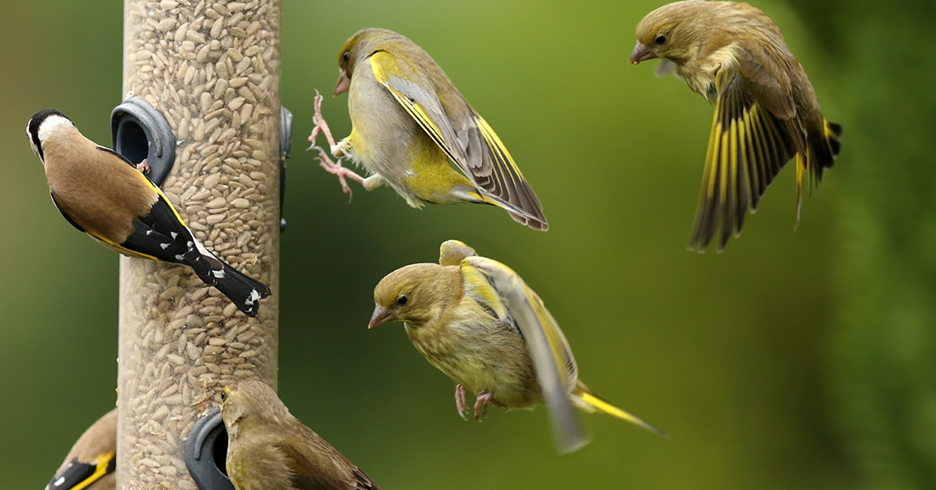
Why attract birds to your yard?
Feeding the birds well in your yard benefits most of the birds’ lives and people. Here are some compelling reasons to create a bird-friendly environment:
Pest Control: Pest Control also means that birds effectively reduce insects such as mosquitoes, aphids, and caterpillars.
Seed Dispersal: Some animals, like birds, contribute greatly to the creation of plants, the production of seeds and, indeed, new diverse ecosystems.
Natural Beauty: Birds bring bright colors, beautiful vocals, and flight to your garden.
Education and Enjoyment: Birdwatching is considered recreational, enjoyable, and informative for individuals of all ages.
The Basic Regulations of Attracting Birds
1. Provide Food
Birds always want food. The best strategy is to feed them a steady diet while ensuring they eat a variety of food sources.
Types of Bird Food:
Seeds: Some recommended seeds include black-oil sunflower, millet, and Nyjer seeds.
Nuts: Shelled peanuts and tree nuts bring the woodpeckers and jays.
Fruits: Specific species can be fed fresh or dried fruits such as apples, oranges, or berries.
Nectar: For this reason, different solutions containing sugars will lure hummingbirds.
Suet: Some, such as high-energy suet cakes, are ideal to be fed in winter and cold months.
Feeding Tips:
- Feeders should always be clean as well as always filled with food.
- There are some foods to lure different species: Provide foods that will entice different species to come together.
- Stay away from foods high in preservatives or unhealthy additives such as bread or chips that are bad for birds.
2. Offer Water Sources
Birds require water to drink and even take their bath. An open and clean water source is often provided for bird-related businesses yearly.
Water Source Options:
Birdbaths: The best ones are shallow water, only one to two inches deep.
Ponds and Water Gardens: These can draw waterfowls, frogs, and dragonflies.
Drippers and Misters: Water flowing in motion is more attractive to birds than any other general type of water.
Water Care Tips:
- Water should be changed often to avoid the provision of breeding grounds for these mosquitoes.
- Ensure you refill and clean the birdbaths because they tend to develop algae on their surfaces.
- Provide water in winter by using heated bird baths in case the natural resources have frozen.
3. Build structured homes and nests:
Birds require refuge to roost, nest in, or escape predators. Depending on environmental factors, housing will help maintain extended stays.
Shelter Ideas:
Trees and Shrubs: These plants are beneficial as they offer natural density, including food for native animals.
Brush Piles: A heap of sticks and leaves can save an individual from predators in the wild area.
Birdhouses: Place birdhouses that have been commissioned for specific birds.
Nesting Site Tips:
- This is determined by the nature of the specific species that use the birdhouse; different bird species should be placed on different heights.
- If choosing materials, do not use treated wood to construct birdhouses; instead, use wooden materials.
- Every time a complete cycle of nesting or if a nestling is seen, birdhouses should be cleaned.
4. Ensure a Safe Environment
Habitat creation is essential, especially for the birds to visit the place frequently for their safety.
Predator Protection:
Keep Cats Indoors: Feral and domestic cats are reckoned to be the major predators threatening birds.
Install Baffles: Baffles mounted on poles are an effective defense against squirrels and raccoons.
Use Decals: Avoid window topple over with anti-collision window stickers.
Avoid Pesticides and Chemicals:
- Go natural!
- Do not apply pesticides or herbicides or use chemical fertilizers on them.
- Bird feeder selection: struts and what to know
Choosing the appropriate bird feeder is relevant to angling toward bird species.
Types of Bird Feeders:
Platform Feeders: Feeds an enormous range of birds but are messier.
Tube Feeders: Designed for tiny seeds that can be fed to birds such as finches or chickadees.
Hopper Feeders: Collection is best for big birds such as cardinals or jays.
Suet Feeders: Feed gingerbread finch, downy woodpeckers, nut hunters, creepers, and wrens.
Nectar Feeders: Made especially for hummingbirds and orioles’ feeders.
Feeder Placement Tips:
- Bait near a tree or bush gives the rodents a form of hiding when approaching the feeders.
- Place feeders where you can view the birds from your home, especially for casual bird watchers.
- To curb the spread of diseases, clean the feeders as often as possible.
Bird Garden First – Making Your Garden Bird-Friendly
Birds are drawn to gardens that have been well laid out; thus, there is no need for added effort to lure them into your compound.
Best Plants for Birds:
Trees: Oak, maple, and pine are used for shelter and food requirements.
Shrubs: Pawpaw, elder, Vasey-bush, goose plum, wild cucumber, hickory, plum, wild cherry, dogwood, crab, honey, pin, quince, persimmon, apple for berry and cover.
Flowers: Conflowers were found to bear seeds and nectar, while sunflowers and bee balm contain seeds and nectar.
Landscaping Tips:
- Plant from ground level right to canopy cover all through the year.
- Mulch and compost are used to retain good soil condition.
- Refrain from overly landscaping some of these areas.
Seasonal Bird Care Tips
Bird needs vary by season. Here’s how to adapt your bird-attraction efforts throughout the year:
Spring: seek hunting nesting materials such as twigs and dried grasses.
Summer: Providing water and shade is essential, especially during sunny weather.
Fall: Do not cut those plants that bear seeds to provide the birds with food when they come to breed.
Winter: Feed high-fat foods such as suet and do not allow the water to freeze.

5. Most Common Pitfalls in Attracting Birds to Your Yard
Inconsistent Feeding: Birds are likely only to visit the areas with good feeding records.
| Poor Feeder Placement: | One disadvantage of placing feeders too low is attracting predators who come looking for the feeders. Using Dirty |
| Feeders: | This can spread diseases like salmonella. |
| Offering Harmful Foods: | Do not consume bread, sugary products like cereals, and foods that have gone bad. |
Final Thoughts
Few things are more rewarding than enhancing your habitat and helping local birds simultaneously. Remember that those five simple rules on attracting birds in your yard are the keys to having a beautiful landscape alive with birds throughout the seasons. Make the most of CREATE Proposition: Appreciation, admiration, and value for the ecological value and opportunity of having these birds occupy your outdoor space.