Birdwatching is one activity that assists in increasing people’s interest in the natural environment. While placing food out for your backyard birds has traditionally been seen as a healthy, non-problematic pastime, calling owls for photographing or watching has raised many controversies among wildlife enthusiasts, photographers, and conservationists. This blog seeks to explain why the two activities are distinct and discuss this divergence’s ecological, ethical, and practical ramifications.
Drawing parties to Backyard Bird Feeding
Basic Information About Backyard Bird Feeding
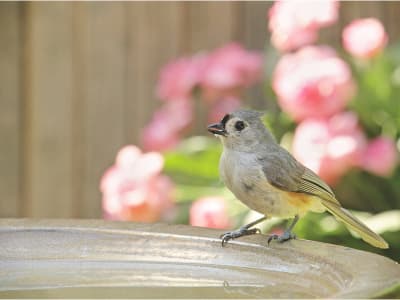
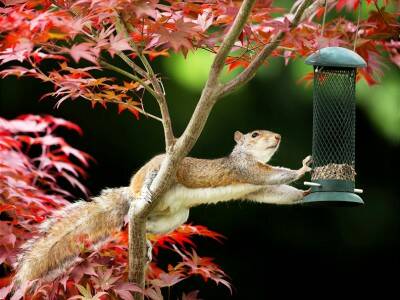
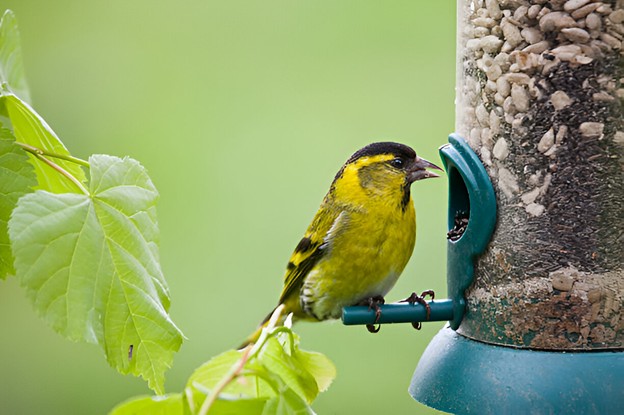
Backyard bird feeding is a process of feeding wild birds using seeds, suet, and nectar within the compound of homes. It brings about the visit by various birding species where people can view them and even learn about their behaviors.
Benefits of Feeding Birds
Ecological Benefits
Feeding birds can augment their meals, especially during winter or when the young are growing, and have to fly in search of food. This assists specific groups to live and even prosper.
Learning and Leisure Opportunities
While feeding birds it came as a plus since it present anyone with a chance to learn about the species up close. It is one of the few things in our lives that could be fun and fun can help in combating stress.
Hygiene when Feeding Birds
As much as feeding the birds is useful, it must be done in the right manner for it to have those benefits and not some of the fortunes that can include even making the birds dependent on you, spreading diseases, or attracting predators. Measures such as those outlined below: cleaning the feeder regularly and giving the best type of food that the cattle need can help prevent these effects.
What Is Owl Baiting?
Definition of Owl Baiting
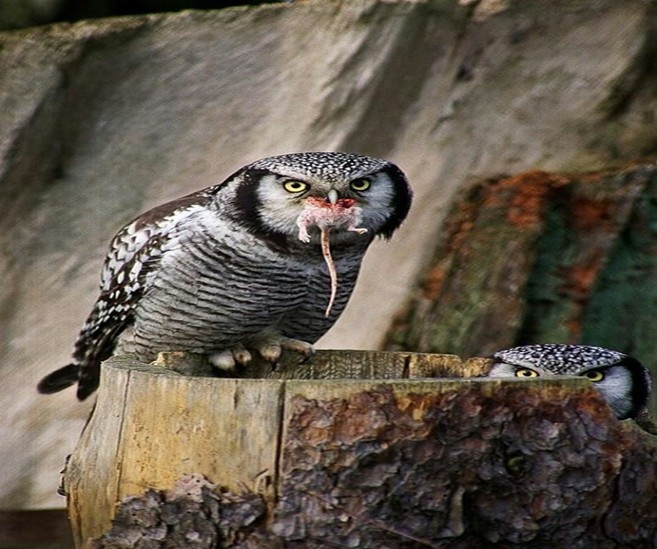
In the method of owl baiting you introduce live prey, foods, or any other attractant with a motive of making the owls sit on the ground. This is a common technique used by photographers to capture other stars of these hard-to-find bird species.
Usually, there are three common techniques of setting bait for the owls as follows:
- Live Prey: The other joke is the letting of mice or other tiny, mouse-size animals near owls.
- Food Scents: Bating to mimic the Theodore of prey.
- Call Playback: Putting a couple of speakers around the owl calls at night to lure them.
Some Differences between Feeding Birds In The Backyard and Baiting Owls
Ecological Impact
Bird Feeding Supports Species
Most backyard bird feeding directs itself on bird species that are usually common to suburban and urban areas such as sparrows, finches, and hummingbirds. Supplementary feeding is easily accepted by these birds.
Hunting Owls Interfere with Most Likely Behaviour
Owls are carnivores and belong among keystone species which are important to the balance of an ecosystem. This can mislead them and make them fully rely on people or change the ways used to approach their prey.
Ethical Considerations
Feeding Birds at Home is also a form of encouraging natural observation
Bird feeding helps individuals to view bird’s behaviors without interfering with their natural environment. Bird watching as an activity is ethical keeping intrusions into the birds’ lives to the barest minimum.
Owl Baiting Exploits Wildlife
This may also cause the owls a great deal of stress and probably compromise the welfare of the bait animals.
Health and Safety Risks
Bird Feeding and Disease Management.
Although there is evidence that sometimes bird feeders spread certain illnesses like salmonella, it is possible to prevent this by maintaining the cleanliness of the feeders.
Owl baiting and predator exposure
Some of the harms that rodents get into when they use owls as bait are: Exposing them to predators. For instance, owls are trapped with attractants for the purpose of endangering them with vehicle accidents.
Conservation Implications
Bird Feeding and Citizen Science
Such bird feeding in backyards supports cases such as the Audubon Society’s Christmas Bird Count, useful in offering information for avian study and conservation.
Owl Baiting and Negative Advertising
Some photographers engage in baiting and this has been deemed to erode the social quality of wildlife photography and also has a demoralizing effect on the course of conservation.
Summary of Key Points
| Aspect | Backyard Bird Feeding | Owl Baiting |
| Purpose | Recreation, education, and wildlife support. | Photography or observation. |
| Impact | Aids birds and the preservation of the same. | Interrupts the normal activity pattern of the animals and also upsets the ecological equilibrium. |
| Ethical Concerns | People are ensured of their natural observation skills. | Uses wildlife and brings stress to the animals. |
| Risks | It is always disadvantageous if not managed properly since it can facilitate the spread of disease. | Enhances the predator’s cross with people, and also the conflict with them. |
| Conservation Role | Partakes in citizen science projects. | Attracts negative public views of wildlife conservation. |
How to Observe Owls Ethically
Ethical Owl Observation Tips
- Stay back and bring a pair of binoculars.
- Never bother the birds and more so try to build a nest or a home for them.
- Move to the owl species section to familiarize themselves with the kind of owls and their behaviors.
Alternatives to Baiting
- Go for professional-guided tours in search of these magnificent birds at night.
- Try to install remote cameras to get real reactions from people.
- Take part in the conservation programs of owls.
Conclusion
Although it might sound as simple as feeding birds in your backyard and baiting owls, there are lots of distinctions in the impacts on ecology and equity. As a conservation science, responsible feeding of birds is pro-wildlife and helps create a symbiosis with nature, unlike the case of baited owls, which are militarized and have ethical issues. In this way, they pointed out the differences that allow choosing correct actions for the future in the interest of the wildlife and people who like it.