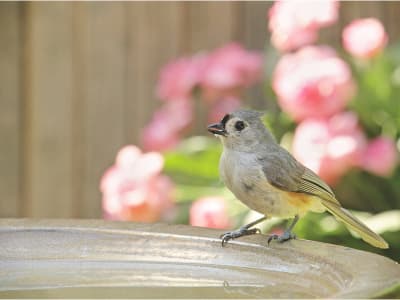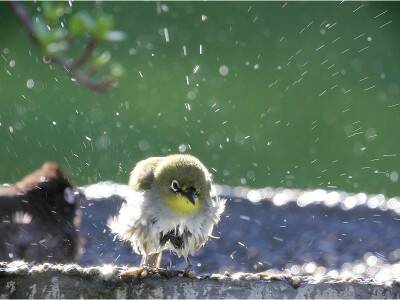
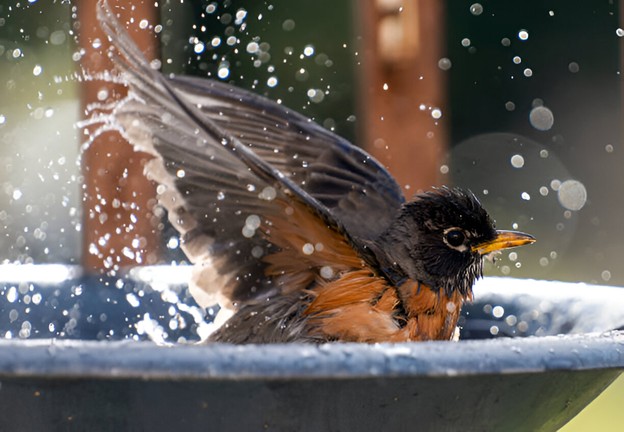
The feeder is a valued garden ornament that is gladly added to gardens and other territories, where it is allowed to replenish birds with water and cool effectively in hot weather. They can come in different beautiful brands, meaning that bird watchers and other lovers of nature have an excellent opportunity to see birds without chasing them. However, having and owning birdbaths can be of so much benefit but, it is very important to ensure that the birdbath is clean. A dirty birdbath doesn’t look appealing to the eyes but it’s dangerous to the wellbeing of birds and the environment in general. In this blog, we’ll discuss how having a clean birdbath is crucial to birds, a birdbath’s durability, and the aesthetics of any backyard.
Four reasons why cleaning the birdbath is important
There are several ways in which a birdbath affects both the birds that come to drink and bathe and the environment in which the structure is placed. The management of aviaries involves cleaning to allow birds to have fresh water that cannot harbor any contaminant or other pathogenic organisms. It also assists in preserving the appearance as a garden feature through the call of different kinds of birds.
Water Quality is Important to Monitor for Healthy Avian Species
Birds drink water, take baths with it as well, and use it as a perfect cooler during hot seasons. If a birdbath is not cleaned often, it becomes a place where bacteria and fungi, algae, and even parasites, which are dangerous to birds can be found. The following are some of the health risks associated with a dirty birdbath:
1. Bacterial Growth: If a birdbath is not emptied and cleaned up regularly, water in it quickly becomes stagnant, and the presence of bacteria like Salmonella or E.coli is rather dangerous for birds. Such bacteria may infect birds when they consume water or water contaminated with the bacteria while taking a bath, this results in disease and death.
2. Fungal Infections: Spores such as Aspergillus can remain within a birdbath and will cause diseases to birds whenever they take a breath. Infected birds can have problems breathing and affected birds can die from it.
3. Algae Bloom: Algae love dirty water, particularly when such pools of water are areas like birdbaths, where they get sunlight exposure. Seaweeds particular species contain toxins that when consumed by birds may cause serious complications. Algae that are harmless to swim in can also make water ugly and unappealing to use.
4. Parasites: Scaly leg mites, lice, and ticks can easily breed on dirty birdbaths which causes discomfort and diseases to the birds using it. These parasites become rampant and can infect large populations of birds; worse still, most bird species migrate during some seasons and depend on the birdbaths to get water.
Birds can be discouraged from using a birdbath through a simple method of allowing the birdbath to become soiled.
In the same way that a human will not drink water from a grimy glass again, neither will the birds use a filthy birdbath. If the water in your birdbath is murky or if particles are floating on the water’s surface, birds will not patronize the place any longer. The birds are very hygiene sensitive, especially in the areas where they may have contact with water hence ensuring one’s bath is clean is very important for these birds.
Beauty and Garden Status
Apart from being a tool, a birdbath is esthetic and decorative in any garden it is installed. Yet, when not well maintained, it turns into an open eye sore. The algae, mold, and debris are unattractive and, therefore, make your garden appear unpleasant, making the bird bath the center of attention for the wrong reasons. For instance, ensuring the garden is clean will enable you to benefit from a wonderful, colorful view that ensures that more birds flock into the garden hence ensuring that you can benefit from a beautiful, natural environment that you can listen to and admire.
However, open water exposed to dirt can result in mineral and mold formation on the surface of the birdbath and hence are likely to weaken the structure of the birdbath. After some time, minerals start to accumulate and cause tarnishing especially on metal birdbaths. Cleaning also maintains the quality of your birdbath and enables its longevity to be lengthy.
Proper way of cleaning a birdbath
The cleanliness of the birdbath is not complicated in any way but it is a process that has to be carried out periodically. There is no mystery to cleaning – it can be summed up in one word – consistency. Here’s how to keep your birdbath in top shape:
Further guidelines for the care of a Birdbath
Use a Fountain or Dripper
To ensure the water is clean and moving, you can put a choice of a fountain or dripper at the feedback of the birdbath. Running water is more active in preventing stagnated water and inciting the visit by birds. Fountains and drippers work also against algae formation and in hot summer months the water is cooler than in ponds. Although they are unobtrusive, that means that if not cleaned often enough, they may become coated in dust or other things and get rather dirty.
Choose the Right Location
Cleanliness is another consideration about the placement of your birdbath. Birdbaths should be placed under trees or any area that can avoid direct sunlight since algae love to grow where there is light. But it should be also easily seen by birds as they do not like taking baths in the area out of sight.
Offer Multiple Water Sources
Provide more than one birdbath if you have several in your yard or more extensive space in your garden. That way they get water of good quality at different places so that people will not gather together or mark their territories. The only thing you need to know is that you should clean each birdbath often.
The Advantages of Cleaning a Birdbath for Wildlife
Clean birdbaths don’t only benefit the birds that occur in your garden; they also benefit the natural world. Most species of birds use birdbaths as important waterways where they can be able to groom themselves and /or quench their thirst, especially during breeding seasons or migration when water sources are rare.
A healthy bird bath can also help support other forms of wildlife like bugs, as well as the frogs effectively diversifying the species that you have in your garden. Once your birdbath is cleaned, you make it an abode for several other creatures apart from birds, adding more value to your backyard ecosystem.
Conclusion
Maintaining cleanliness in your birdbath is a simple act with a big impact and hence should be completed. They make sure that birds can have their clean, fresh water for drinking and their water birthing activities, and it helps in getting rid of diseases and parasites out of your garden and keeping your garden beautiful. A clean birdbath also means that a variety of birds and other wildlife will visit your backyard thus enhancing the number of healthy ecosystems in your compound.
Practical care then makes it possible to continue the hobby of bird watching because it also improves the health of birds and their environment. Therefore, clean up your birdbath and give some special attention to those cleaning items that you use regularly for cleaning your home.