Introduction
People who watch birds have detected rapid environmental changes across the natural world which affect bird distribution, migration routes, and yearly conduct. Global warming creates profound changes in landscape conditions and weather systems which simultaneously creates significant effects on how birds behave and survive in their environment. The practice of backyard bird watching brings pleasure to most individuals through its peaceful observatory approach which reveals natural climate interaction. The adjustments resulting from global warming enable enthusiasts to adapt their backyard activities to preserve the vitality of their bird populations.
Understanding the Impact of Global Warming on Birds
Global Temperature Rise and Its Effects
Periods of extreme weather occur now because of climbing global temperatures that bring both modified climate patterns and amplified storms and years-long droughts. Food and water resources availability that birds need for survival undergo direct changes because of this environmental impact. The increasing temperatures compel numerous species to alter their migration patterns together with their breeding schedules and their food consumption methods.
Shifts in Migration Patterns
The transformative impact of climate change produces significant modifications to how living creatures move from place to place. The traditional migration patterns of birds now result in arrival dates both ahead of schedule or behind schedule when compared to previous years. Climate change shifts modify the natural timing that birds need to follow to exist alongside ecosystem resources. When time mismatches occur between insects and blooming plants birds lose their synchronicity with their essential food sources.
Altered Breeding Seasons and Nesting Behaviors
The breeding along nesting activities of numerous bird varieties transform with each seasonal transition. Different temperature patterns during early spring can cause birds to reproduce at earlier times though this shift does not always create positive outcomes for the species. The breeding process early in the season subjects both eggs and young to later cold temperatures and higher risks of predators. Birds respond to changed environmental conditions by making nesting behavior along with location selection choices for their nests.
Adapting Bird-Watching Practices in the Backyard
Rethinking Traditional Approaches
Bird enthusiasts now go back to traditional practices because they need to adapt to the current environmental changes. Bird-friendly plants with local climate adaptiveness should be planted together with year-round food and water provisions for birds. People who enjoy backyard bird watching create changes in their practice which enhances their garden’s beauty while establishing crucial bird sanctuaries. Near-home nature fans who implement wise adjustments will help protect bird populations while they enjoy wildlife from their residence.
Creating a Resilient Backyard Habitat
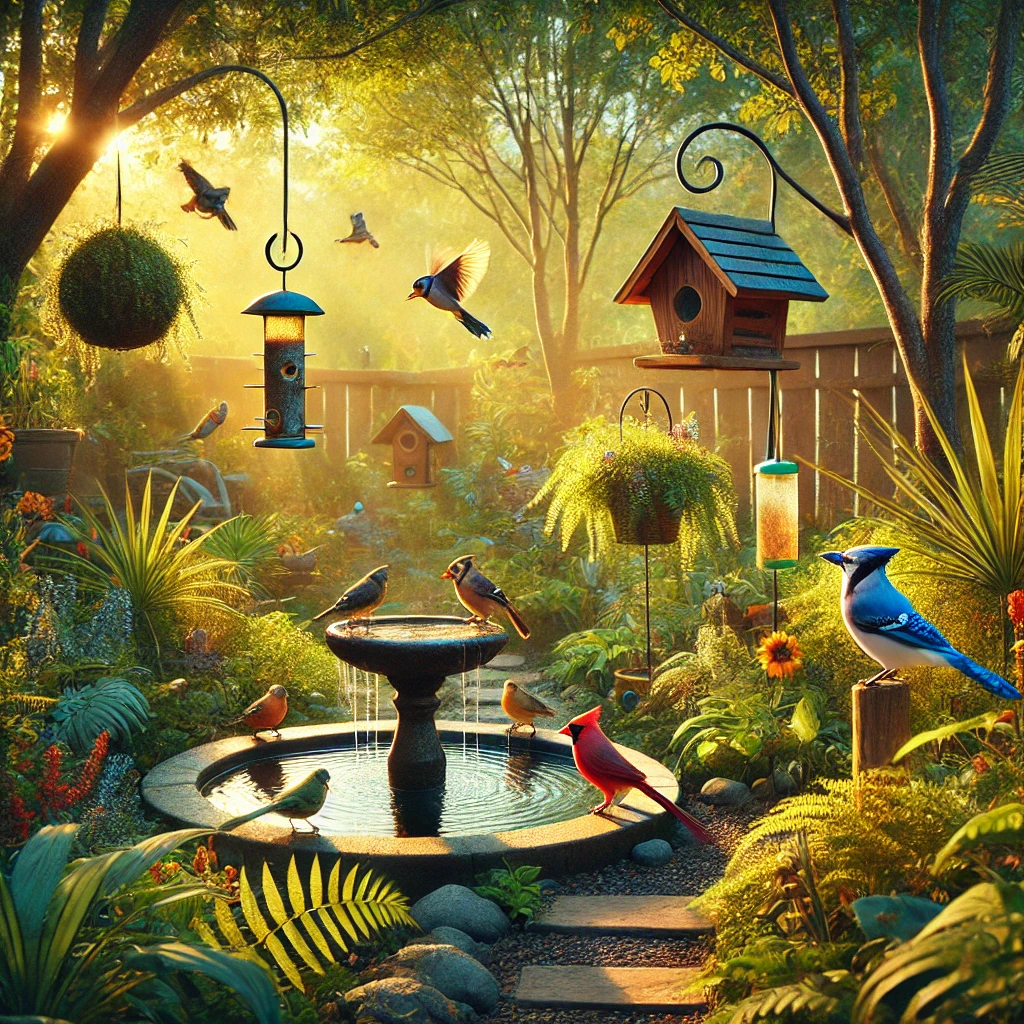
Building resistance in your home backyard serves as one of the strongest techniques to fight climate change effects on native birds in your local region. Here are some practical steps:
Choosing Climate-Resilient Plants
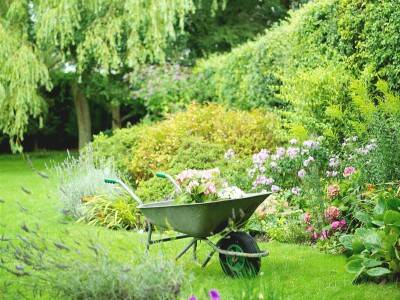
Plants adapted to local climate conditions should be your choice for your garden space since they need low water and maintain themselves effectively. Native plants serve as natural sources of food for native birds and both shelter them and supply them with the necessary materials to build nests through local vegetation. The natural strength of these plants defends them against pests and diseases and thus eliminates the requirement for chemical control measures that would affect wildlife. An appropriately positioned combination of trees shrubs and flowering plants produces succession layers that provide sanctuary for multiple bird species. Through this method birds of different species find attraction but the resulting habitat enhances both the ecosystem’s bird population and its beneficial insects and pollinator networks.
Water Conservation Techniques
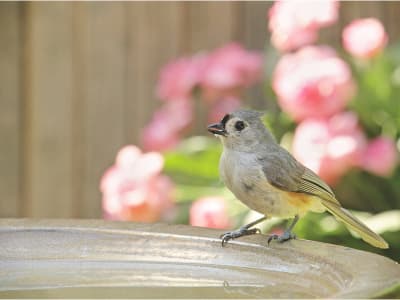
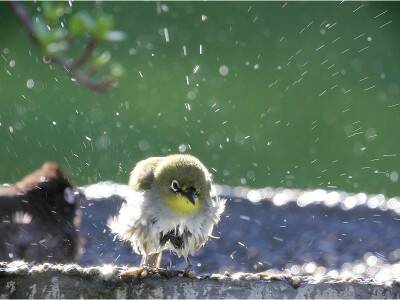
All living organisms depend on water as an essential resource and global warming reduces water availability in numerous parts of the world. Birdwatchers can create reliable water sources for birds by deploying birdbaths shallow ponds and simple water-holding dishes. Water sources should be properly maintained through regular replenishment periods especially when dry conditions occur. The water features created by log cut-outs serve two purposes: birds will find them useful for both drinking water and remaining cool during hot summer weather. The implementation of water conservation methods such as rainwater collection systems in your backyard setup leads to dual benefits for the environment as well as your eco-friendly steps.
Using Technology to Monitor Changes
Innovative tools found in modern technology assist scientists by tracking and understanding the population changes that climate change inflicts upon birds. Modern technology provides bird enthusiasts with smartphone applications alongside automated camera systems that enable the tracking of bird migration patterns and monitoring of breeding behaviors alongside seasonal variations. The experience of backyard bird watching gains enhancement through digital tools which simultaneously provide essential data that researchers and conservationists can use. The shared birdwatching observations made on citizen science platforms enable backyard birders to gather information toward building databases which support governmental policies and preservation strategies. Traditional bird-watching practices benefit from their combination with technology which increases value for hobbyists and science research.
Embracing Community and Citizen Science
Collaborative Bird Surveys
Bird watching builds one of its strong benefits through community empowerment and unity. Massive change detection within bird populations and behaviors by bird enthusiasts has led many of them to start working collectively for surveys and monitoring programs. These citizen science efforts generate up-to-date information that monitors the ways global warming affects bird populations. Participation in bird survey activities assists scientific investigation along with enabling engagements between nature enthusiasts. Birding groups in the local community and online platforms give members the chance to exchange knowledge about birds and their habitats while working together on conservation initiatives and educational projects. Through their participation enthusiasts keep the bird-watching tradition of backyard bird watching alive while it adapts to present climate conditions.
Engaging in Local Conservation Efforts
Various bird watchers actively support conservation efforts within their local communities after completing personal yard adjustments. The bird watchers connect their efforts to environmental organizations and community groups and local governments to safeguard essential habitats while encouraging sustainability practices. Various conservation activities include volunteering within habitat restoration initiatives along with taking part in climate policy discussions about land management and environmental policies. The combined work of people helps tackle the overall bird population impacts of climate change and promotes nature’s resistance to environmental adjustments.
| Strategy | Description |
| Plant Native Species | Use native plants to provide food, shelter, and resilience in your backyard. |
| Engage in Citizen Science & Tech | Install birdbaths or shallow ponds to ensure a reliable water supply. |
| Create Diverse Habitats | Use apps and cameras to monitor bird activity and contribute to conservation. |
| Provide Water Sources | Design layered plantings to attract a variety of bird species. |
Seasonal Perspectives: The Role of Summer Backyard Birding
The season of summer presents both struggles along chances for bird enthusiasts. The summer season provides extended daylight and plenty of bugs which coincides with high numbers of birds in the environment. The local ecosystems experience pressure from both mounting temperature levels and drawn-out dry seasons.
Enhancing Summer Backyard Birding Experiences
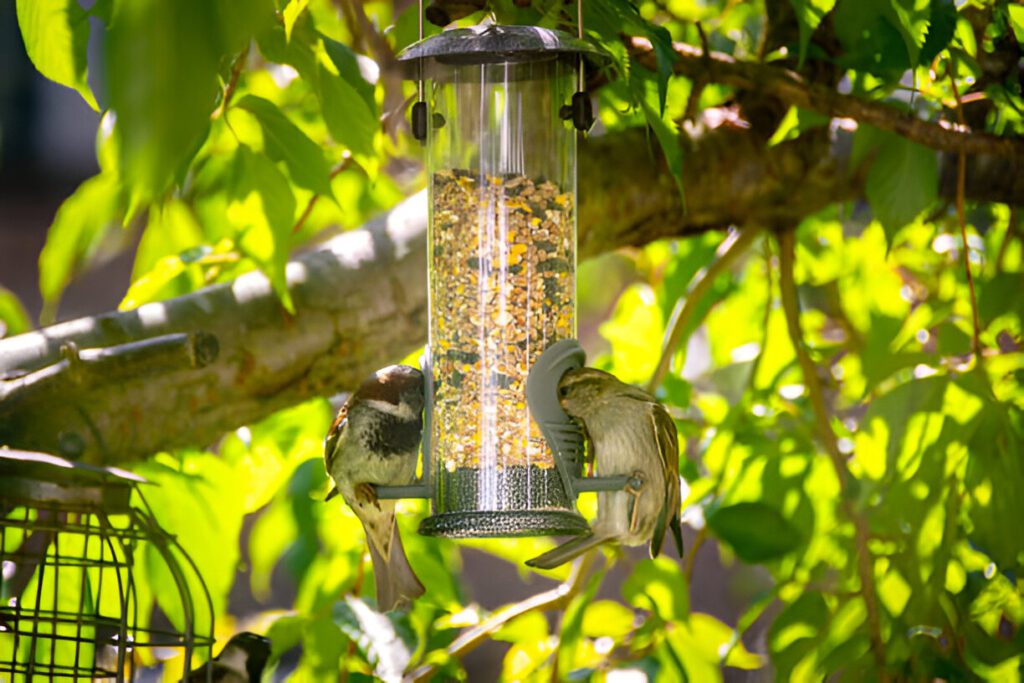
Summer adaptations of backyard space help decrease some of its challenges for birds. The installation of extra shaded structures and additional water sources give birds sanctuary from excessive summer heat. The preservation of diverse food supplies must remain accessible for birds during the summer months. Many birding enthusiasts choose to participate in summer backyard birding to witness the maximum activity of their native bird populations. Steps to modify backyard spaces through careful changes help bird watchers observe better and safeguard bird populations in their area.
Innovative Summer Practices
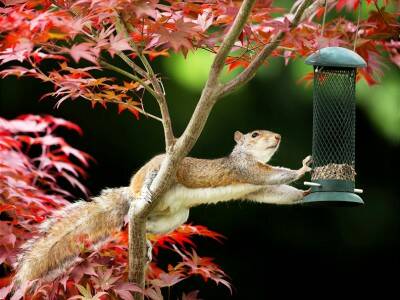
During summertime observations become possible by testing multiple bird feeder systems along with water features for studying bird habits. The placement of multiple food choices including seeds together with nectar attracts more species to bird-feeding areas especially when the weather poses difficulties. The incorporation of Summer Backyard Birding community programs helps people understand how bird population changes because of different seasons. Bird watchers seeking an understanding of regional patterns should collect and analyze data to find methods that boost bird welfare throughout vast regions.
Community Events and Workshops
Summer events organized by birding clubs across local areas help the general public learn effective ways to practice sustainable bird observation. Various backyards have used these events as platforms to exchange innovative methods along with proven successful strategies. The events enable new bird watchers to receive guidance from senior members and develop community-based learning solutions.
Conclusion
The current global warming era creates substantial environmental challenges for ecosystems throughout the world because birds serve as particularly sensitive indicators of ecosystem health. Our survival relies on transforming our procedures from habitat transformations through technological developments to active community participation to preserve bird populations. Summer Backyard Birding requires you to endorse these modifications because it represents a natural duty.