Rare Summer Birds: Nature’s Hidden Gems in Your Backyard
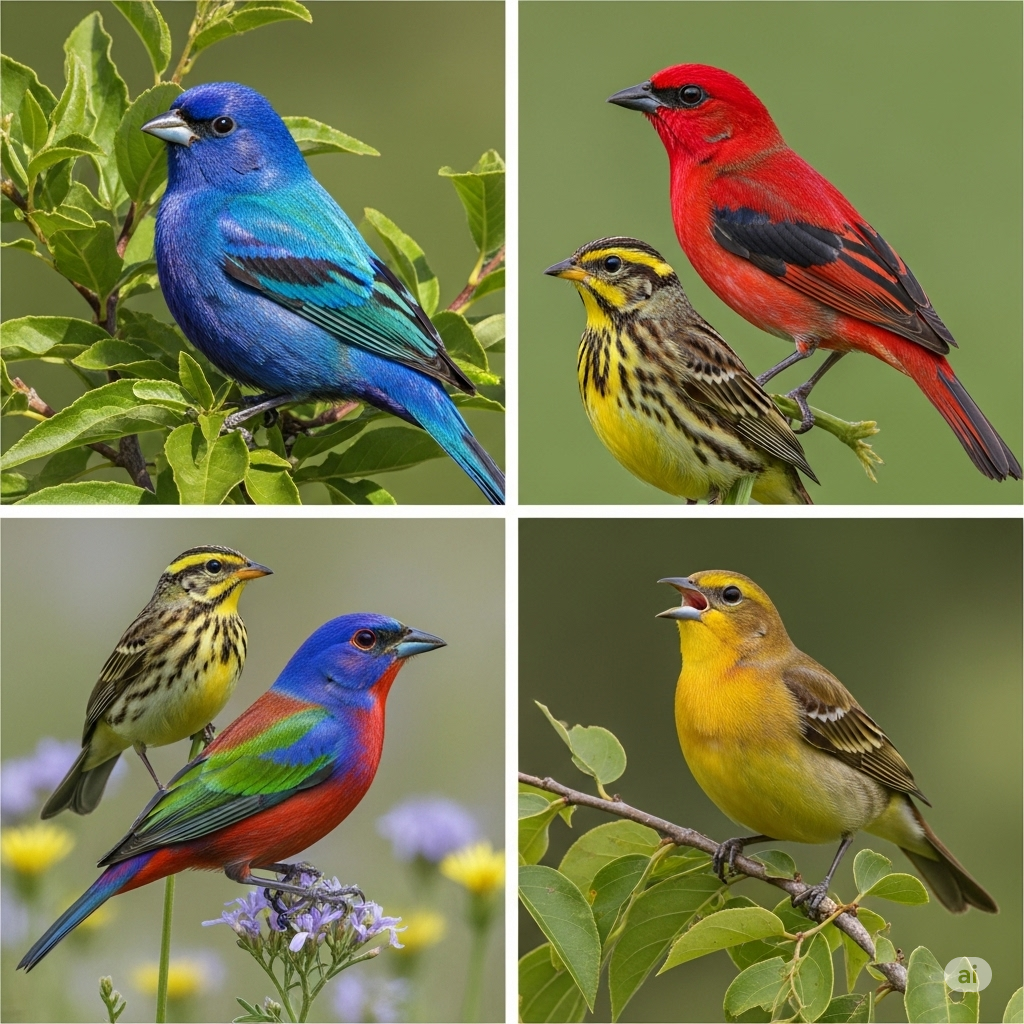
Summer is not just warm and sunny days, grill, and evening time. It also opens the skies for some of the rare summer birds that quietly make their way into North American neighborhoods. As most people go birdwatching to see a common robin or a house sparrow, more astute watchers (with a bit of luck) may even see wintering feathered guests who are only visible at this time of year.
Want to get some more summer hobbies, or are you really into birding? It is the moment to tune in to nature. Let’s explore which rare summer birds you should be on the lookout for right now and how combining birdwatching with art can enhance your entire experience.
Why are these Birds Rare?
Other birds may be termed rare due to reasons other than the fact that they are endangered since it is not always difficult to find them rare due to migration and other nesting and feeding habits.
The birds are likely to be found in the fringe of migration areas, in areas that have special microhabitats, or at certain intervals of time. Well, you are not expected to see them all year round, but you may get lucky when you have that morning coffee or enjoy the sunshine in your backyard.
Rare Summer Birds You Might See This Season
Here’s a breakdown of some of the most fascinating rare summer birds that could be right outside your door:
| Bird | Nickname | Where to Look | Why Rare? | Bonus Fact |
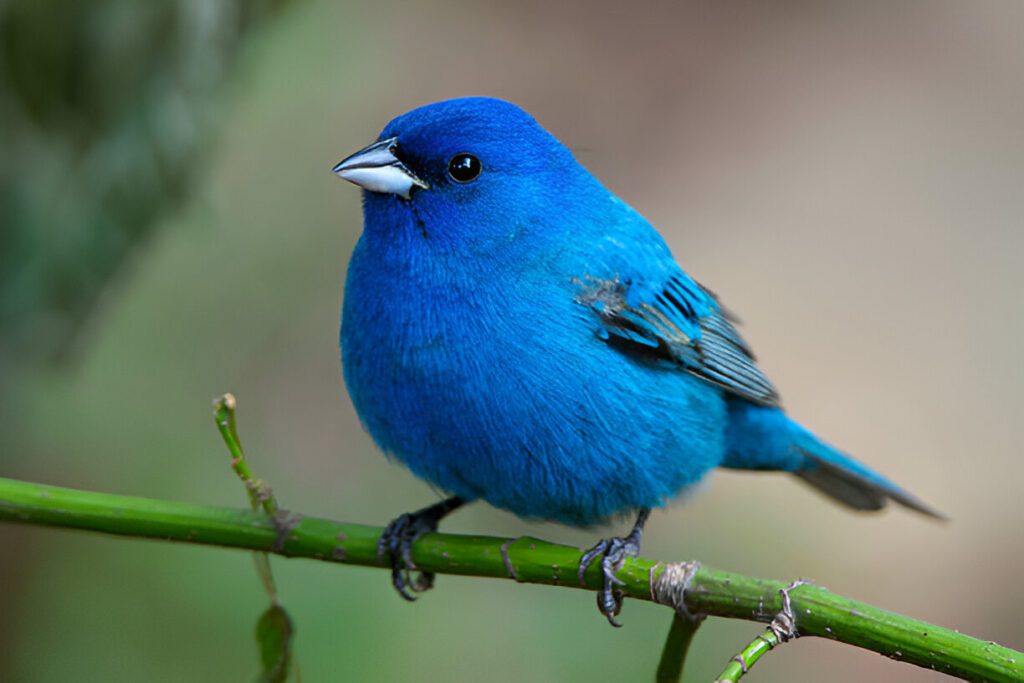
| Indigo Bunting | Brilliant Blues You Can’t-Miss | Edge habitats, open woodlands, and powerline trails. | Migrates from Central America to the eastern U.S.; rarely seen west of the Mississippi. | They sing almost constantly during the breeding season. |
| Scarlet Tanager | A Splash of Red Among the Leaves | Deciduous forests and tall, leafy backyard trees. | Secretive canopy dwellers are rarely seen in open urban settings. | Listen for their raspy, robin-like song |
| Dickcissel | Grassland Gold | Tall grassy fields and unmowed meadows. | Populations fluctuate with rainfall and food supply. | Best seen between late June and mid-July. |
| Painted Bunting | Nature’s Rainbow in Flight | Thickets, dense shrubs, and feeders with white millet. | Rare outside the southeastern U.S. due to habitat needs. | Use a ground tray feeder to attract them. |
| Yellow-breasted Chat | Big Voice, Elusive Bird | Shrubby areas, overgrown fields, woodland edges. | Recently reclassified, now more sought after by birders. | Their odd song often begins before sunrise. |
Tools and Tips to Spot Rare Summer Birds
Seeing rare summer birds requires a mix of timing, patience, and preparation. The following are some of the helpful steps to enhance your probability:
The benefits of the early morning hour
Birds can be found in the morning after dawn as they are feeding and singing. Set the alarm, put your hand on the binoculars, and enjoy before the world comes out of sleep.
Maintaining a Bird-friendly yard
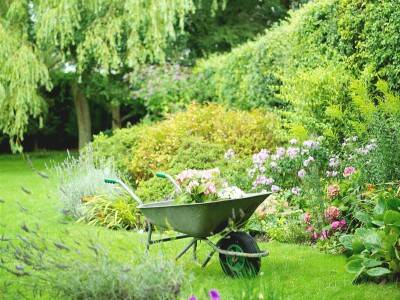
Propagate native shrubberies, flowers, and berry-bearing plants. Provide clean water and or migratory bird food and bird seed. There should be no pesticides, and there should be some areas in your garden that are not perfectly tended, which provide safe hideouts.
Track with Apps
Such apps as eBird and Merlin Bird ID may be used to trace local sightings in real time. The alerts about particular species and the migration maps will help to plan your watch.
How Birdwatching with Art Enhances the Experience
Pairing birdwatching with art can turn a casual morning hobby into a meaningful, mindful practice. Is the secret to why observation and creativity go hand in hand:
Development of better skills to observe.
By drawing or painting a bird, you begin to see items to which you would usually not give much attention. The line of the beak, feather strokes, and the whole form of the feathers and their slight colorations become what your work is about.
Personal Connection
Creativity makes the connection to the birds you see an emotional one. You are not merely marking them off a list; instead, you are interpreting their presence in a way that is unique to you.
Lasting Memories
Photos are helpful, but there is nothing like a sketchbook with handwritten notes, pencil sketches, or watercolors as a more personal method of recording what you have seen. It is one of the reasons why many experienced birders maintain a nature journal.
Pro Tip: As a beginner, you should start with simple line drawings and then continue to draw them. You don’t need to be an artist to enjoy the benefits of birdwatching with art.
Involving the Whole Family
Introducing kids or partners to rare summer birds can be a rewarding family activity. Experiment with establishing an observation point in the backyard with a spotting scope or with a small logbook. Put up a prize to the first one to see the most unusual species or to imitate a bird’s call most realistically.
Make it fun by blending it with birdwatching with art. Provide watercolor sets, colored pencils, and field Guides so that every family member can make their field journal. It is a marvelous experience to spend time outside, cellphone-free.
Final Thoughts
Summer is a short-lived season. Stop and make an effort before it gets beyond you to take time to relate to the nature right next to your door. Whether you spot the vibrant Indigo Bunting, the secretive Yellow-breasted Chat, or the breathtaking Painted Bunting, these rare summer birds offer a sense of wonder that few experiences can match.
Improve birdwatching habits by taking a sketchbook or a watercolor brush. Using a simple technique of visualizing a passing moment creates a greater realization of the beauty that these special summer visitors bring. Not only will you perfect your birding abilities, but you will also be left with memories in the form of keepsakes you will long remember after the season is gone.
Then, go outside and raise your eyes and ears; the rarest, loveliest thing of summer may be already settled in your backyard.