Pigeons are often seen as dirty birds, especially in urban areas where their droppings are common. Contrary to popular belief, pigeons are not inherently dirty animals. They are capable of carrying diseases, but so are many other wild animals. The perception of pigeons as unsanitary largely stems from their constant presence in cities and the mess they can create.
You might be surprised to learn that pigeons spend a good amount of time grooming themselves. They preen their feathers to remove dirt and parasites. Despite this, their droppings can cause issues for buildings and statues, often making them seem dirtier than other birds.
The idea that pigeons are dirty is more about their interaction with human environments than their actual cleanliness. For more details on this and how to deal with pigeon mess, you can read about it on this Pigeonpedia article.
Pigeon Hygiene Overview
Pigeons are often unfairly labeled as dirty, but they have natural grooming habits that help keep them clean. The urban environment, however, can impact their hygiene negatively.
Natural Grooming Habits
Pigeons engage in various grooming activities to maintain their cleanliness. They preen their feathers using their beaks, which helps remove dirt and parasites. Preening also distributes natural oils that keep their feathers flexible and waterproof. These oils are produced by a gland located near their tail.
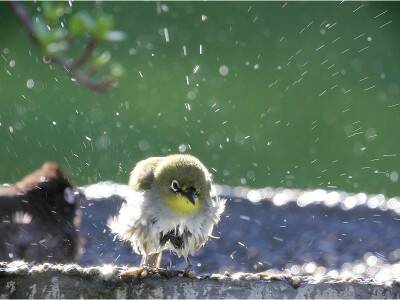
Bathing is another important aspect of a pigeon’s grooming routine. Pigeons often find water sources, such as puddles or bird baths, to soak and clean themselves. This helps in loosening dirt and washing away any contaminants. You might also notice pigeons sunbathing. The sunlight helps in drying and maintaining their feathers and can kill bacteria and parasites. When you see a pigeon flapping its wings and shaking off, it’s usually part of their regular grooming routine to stay clean.
Urban Environment Impact
Life in urban areas can compromise pigeon hygiene despite their natural grooming habits. Pigeons frequently feed on garbage or leftover food, which might expose them to harmful substances and bacteria. Their nesting areas often become dirty due to accumulated droppings, making it challenging to stay clean.
Buildings and other man-made structures can pose additional challenges. Nesting on building ledges and within rafters may limit their access to bathing resources. Urban settings can also expose pigeons to pollutants that are harder to manage through natural grooming. While pigeons’ high metabolism leads to frequent defecation, it can make urban areas seem dirtier. Addressing hygiene issues often involves both pigeons’ efforts and human intervention, such as providing clean bird baths or controlled feeding areas.
Health Risks and Misconceptions
Pigeons often get a bad reputation for being dirty and disease-ridden. Let’s sift through the misconceptions and examine the real risks.
Disease Transmission to Humans
Pigeons can carry diseases, but the risk of transmission to humans is low. Diseases such as histoplasmosis, cryptococcosis, and salmonellosis are sometimes linked to pigeons. However, contact with pigeon droppings is usually necessary for transmission. In everyday encounters, the chances of catching a disease from a pigeon are minimal.
Many wild and domesticated animals carry diseases, and pigeons are no different. Proper urban sanitation and hygiene reduce the risk further. Handling pigeons or their droppings with care can significantly mitigate any health risks.
Common Myths
One common myth is that pigeons are “rats with wings.” There is no scientific basis for this. Studies show pigeons are no dirtier than other birds. Misleading names and stories contribute to this negative image.
Another myth is that pigeons are highly prone to transmit diseases to humans. In reality, the risk of disease transmission is exaggerated. Pigeons are not more dangerous than other urban wildlife. They can be clean if properly cared for, similar to chickens. It’s important to look at them with more informed and less biased eyes.
Pigeon Population Control Measures
Managing pigeon populations in urban areas is essential to maintain cleanliness and avoid health risks. This includes city sanitation efforts and various wildlife management strategies.
City Sanitation Efforts
Cities use several methods to control pigeon populations and the mess they create. Cleaning crews regularly sweep and wash areas where pigeons gather, like parks and public squares. The goal is to remove droppings that are not just unsightly but also corrosive and damaging to structures.
Educational campaigns urge the public not to feed pigeons, which helps reduce their food supply and population. Signs and notices are posted in high-traffic areas reminding people of the negative effects of feeding the birds.
Barriers like netting and spikes are installed on buildings and ledges to prevent pigeons from roosting and nesting in problem areas, reducing the buildup of droppings and debris.
Wildlife Management Strategies
Wildlife management strategies involve using humane methods to reduce and control pigeon populations. One method is the use of pigeon contraceptives like OvoControl P, which has been tested in various locations, including SkyTrain stations.
Another strategy involves deploying trained birds of prey to scare pigeons away. This method is effective but requires ongoing maintenance and monitoring to ensure its long-term success.
Some cities are also experimenting with the birth control drug, nicarbazin, though its success can vary depending on whether the pigeons consume the bait. Public cooperation is critical here too; in areas where people feed pigeons, the effectiveness of these measures can be compromised.