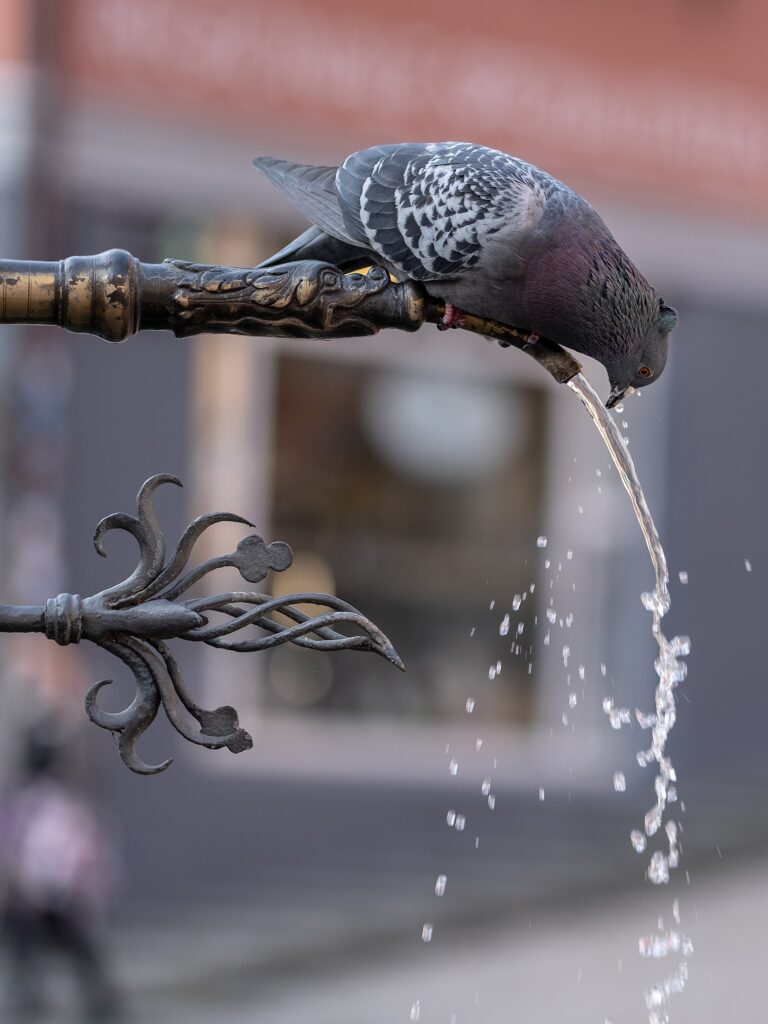
Pigeons aren’t dirty birds in the way most people think. A healthy pigeon spends a lot of time preening and bathing, and pigeons have been kept as pets, racers and message carriers for thousands of years. The real problem is their droppings. Where pigeons roost in big numbers, their droppings pile up, and old, dried droppings can carry fungi and bacteria that occasionally make people sick. For most people in most yards the risk is low. It rises when you clean up a large, dusty buildup without precautions, or if you have a weakened immune system. Here’s what’s true, what’s exaggerated, and how to keep pigeons from taking over your feeders.
The short version
- The bird itself: reasonably clean. Pigeons preen constantly and bathe whenever they get the chance.
- The droppings: the real issue. Large, old accumulations can harbor the fungi behind histoplasmosis and cryptococcosis, and droppings can carry the bacteria behind psittacosis.
- Who’s at risk: mainly people who clean up big piles of dried droppings without protection, and people with weakened immune systems. Seeing pigeons in the park is not a health risk.
- At the feeder: pigeons are messy and crowd out smaller birds. The fix is changing what you feed and how, not poison or traps.
Why pigeons got their reputation
The pigeon on your street is the rock pigeon, a bird domesticated from wild cliff-nesting pigeons of Europe, North Africa and Asia thousands of years ago. European settlers brought them to North America in the 1600s, and escaped birds became the feral flocks in every American city. To a pigeon, a building ledge, bridge or barn rafter is just a cliff, which is why they live where people do.
That’s the heart of the reputation. Pigeons roost in dense groups in the same spots night after night, on ledges above sidewalks, under bridges, and in attics and barns, so their droppings pile up exactly where people walk, park and work. The “rats with wings” nickname is about the mess and the crowds more than about the bird.
Are pigeons clean?
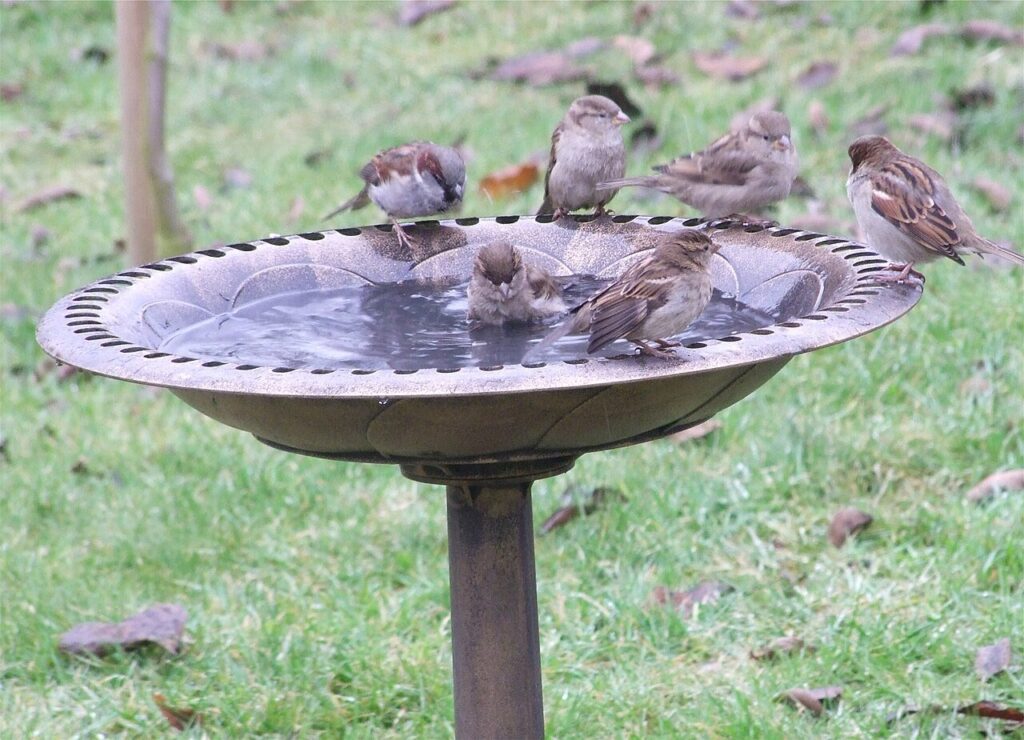
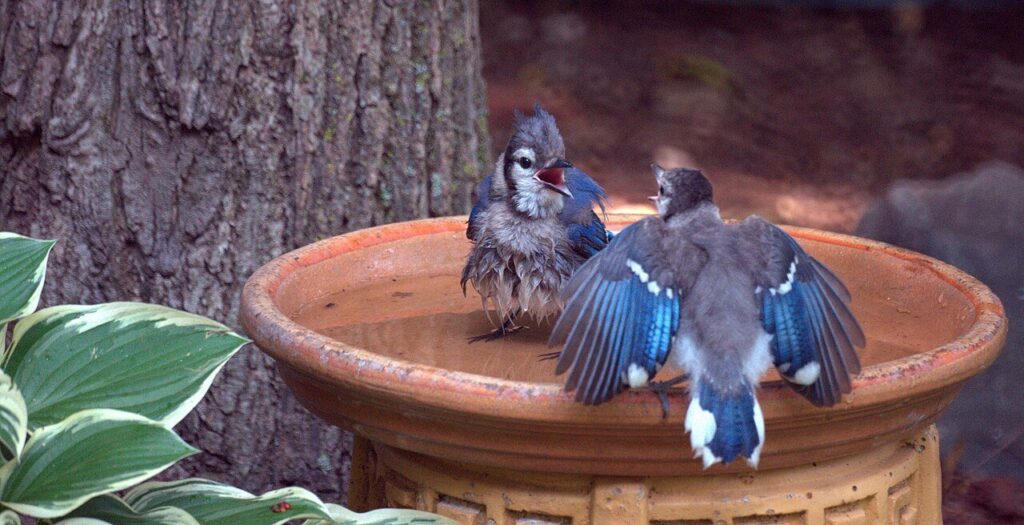
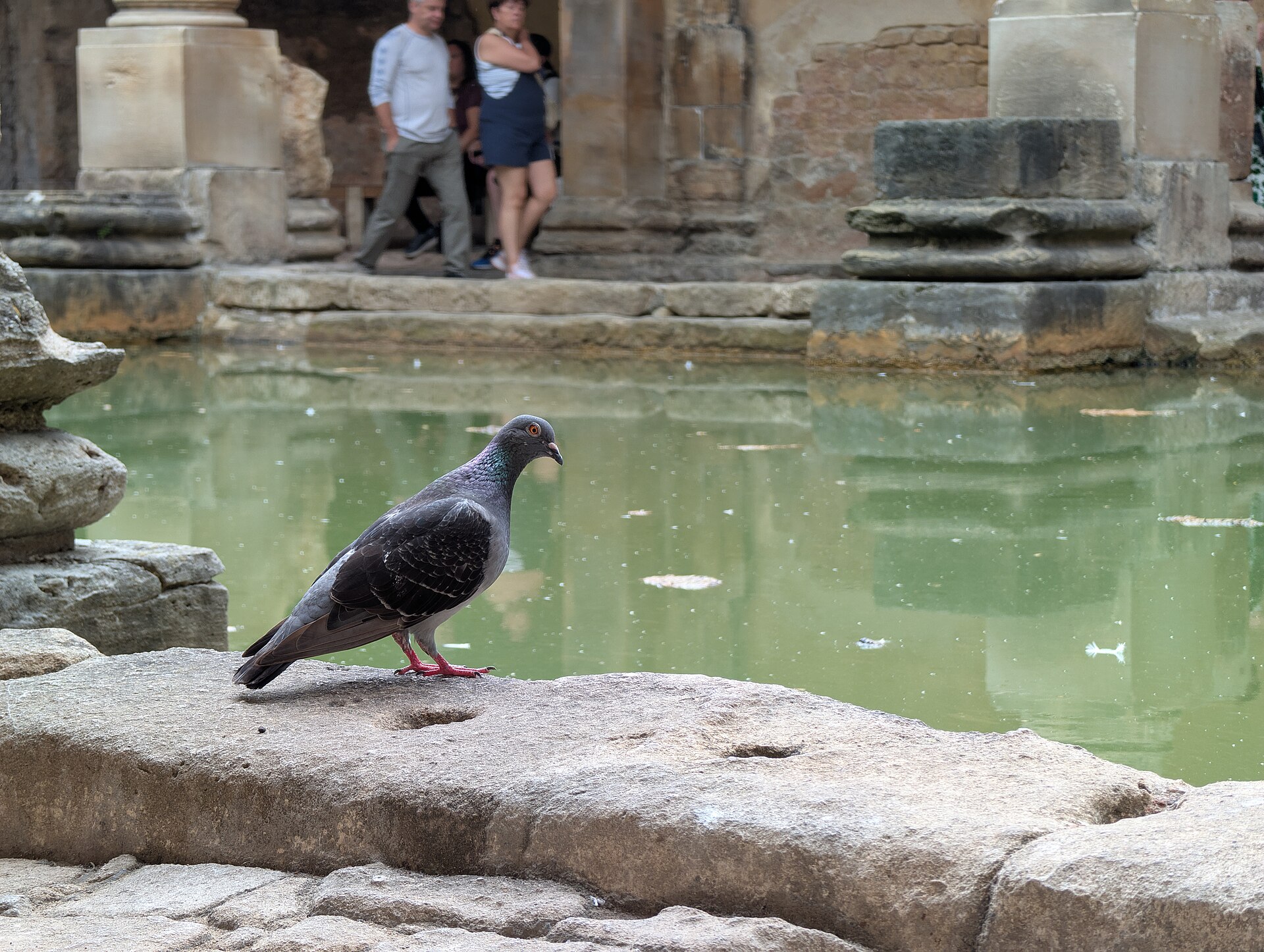
Mostly, yes. Like other birds, pigeons spend a good part of the day preening, running each feather through the bill to clean it and keep it in shape. They love a bath and will line up at a birdbath or puddle on a warm day. They also sunbathe with one wing spread, which helps with feather care. A pigeon’s feathers shed a fine powder, called feather dust or bloom, that helps waterproof them. That powder is part of what bothers people with bird allergies, and it’s one reason pigeon keepers ventilate their lofts.
Pigeons can carry mites and lice, like most wild birds. These rarely bother people unless a nest is abandoned inside a building, when bird mites can wander indoors looking for a new host.
What diseases can pigeons spread?
Almost all of the risk comes from droppings, and mostly from old, dried droppings that have built up over time. Three illnesses come up most often:
- Histoplasmosis. A fungal infection from spores that grow in soil enriched by bird or bat droppings. People catch it by breathing in dust when that material is disturbed. Most infections cause no symptoms or a mild, flu-like illness. It’s most common in the Ohio and Mississippi River valleys, where the fungus is widespread in soil.
- Cryptococcosis. Another fungal infection linked to accumulated pigeon droppings. It rarely affects healthy people but can be serious for people with weakened immune systems.
- Psittacosis. A bacterial infection people can get by breathing in dust from dried droppings or respiratory secretions of infected birds. It’s uncommon and usually linked to close contact with pet or captive birds.
The pattern is the same for all three: the risk is in the dust from a large, dried buildup, not in a pigeon walking past you. If you’re immunocompromised, pregnant, or have lung disease, don’t be the one to clean up a big accumulation. If you develop fever, cough or trouble breathing after cleaning one out, tell your doctor about the exposure.
How to clean up pigeon droppings safely
- Wet it first. Mist the droppings with water (or water with a little detergent) so they don’t turn to dust. Never dry-sweep, vacuum with a regular vacuum, or use a leaf blower on them.
- Protect yourself. Wear disposable gloves. For anything bigger than a few spots, add a well-fitted N95 mask.
- Scrape and bag. Scrape up the softened droppings, seal them in a plastic bag, and put it in the trash. Then scrub the area with soap and water.
- Call a pro for big jobs. An attic, barn or ledge with years of buildup is a job for a professional cleanup crew with proper respirators.
- Wash up. Wash your hands and launder your clothes afterward.
Pigeon droppings also stain and slowly eat into stone, metal and car paint, so it pays to clean them off sooner rather than later.
How to keep pigeons off your bird feeders
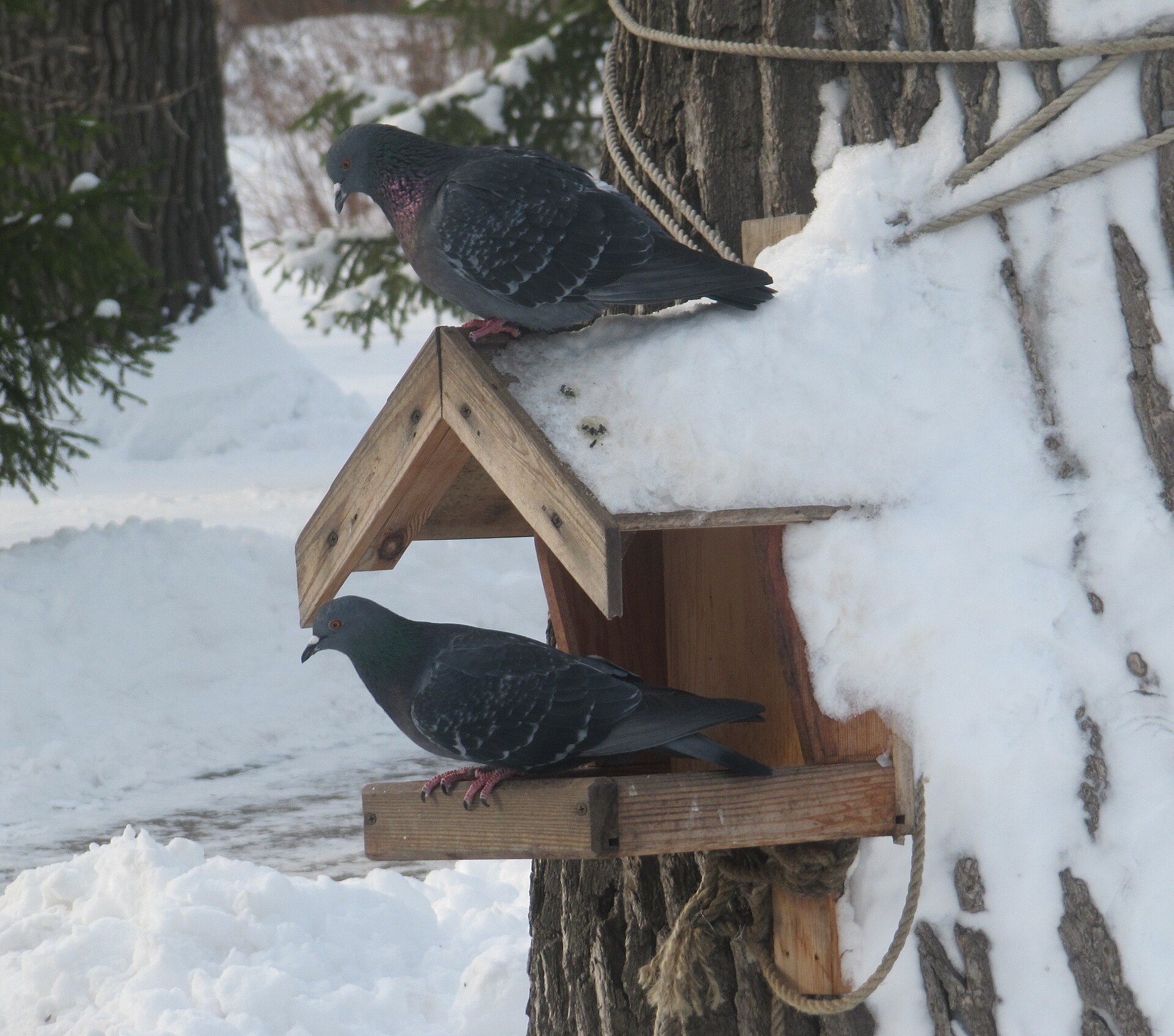
Pigeons are ground and platform feeders built for big seed and easy landings. Take those away and they move on, usually within a week or two.
- Stop feeding on the ground and on open trays. Scattered seed and platform feeders are a pigeon buffet. Switch to tube feeders with short perches, which pigeons are too heavy and clumsy to use.
- Cut the cheap filler. Cracked corn, milo and millet-heavy blends draw pigeons. Safflower, nyjer and sunflower hearts in a tube feeder feed cardinals, chickadees and finches while pigeons mostly ignore them.
- Catch the spill. A seed tray under the feeder, or no-mess seed like sunflower hearts, keeps pigeons from cleaning up underneath. Rake up hulls and spilled seed every few days.
- Use a weight-activated or caged feeder. Weight-sensitive feeders close when a heavy bird lands, and cage feeders let small birds through while blocking pigeons. Both are covered in our squirrel-proof feeder guide, since the same designs stop pigeons.
- Take a break. If a flock has settled in, take the feeders down for a week. The pigeons will find food elsewhere, and your songbirds will come back quickly when you restart.
The same approach works on grackles and blackbirds; see our guide to stopping blackbirds and grackles from taking over feeders. And whatever birds you get, keep feeders clean: here’s how to clean a bird feeder the right way.
Quick answers
Are pigeons dirtier than other birds? Not as individual birds. The difference is that pigeons live in dense flocks right next to people, so their droppings concentrate on ledges, sidewalks and buildings.
Is it safe to touch a pigeon? Occasional handling is low-risk for healthy people. Wash your hands afterward, as you would after handling any animal.
Can I get sick from pigeons at my feeder? The risk is very low. Keep the area under the feeder raked, clean feeders regularly, and wash your hands after handling feeders or seed.
Is it legal to get rid of pigeons? Feral rock pigeons are not protected under the federal Migratory Bird Treaty Act, unlike native doves and nearly all other wild birds, but state and local rules vary. Deterrence (changing what and how you feed, and blocking roosting spots) is the humane and lasting fix.
Bottom line
Pigeons aren’t filthy birds. They preen and bathe as much as any songbird. Their droppings are the issue, and only when they pile up. Clean up small messes with water, gloves and soap, leave big buildups to the pros, and keep pigeons off your feeders by skipping ground feeding and cheap filler seed. Your cardinals and chickadees will thank you.