The 2026 Christmas Bird Count runs from December 14, 2026 to January 5, 2027. It is free, it is open to every skill level, and you don’t have to hike anywhere: if you live inside a count circle, you can count the birds at your own feeder. Here’s how it works and how to sign up.
What is the Christmas Bird Count?
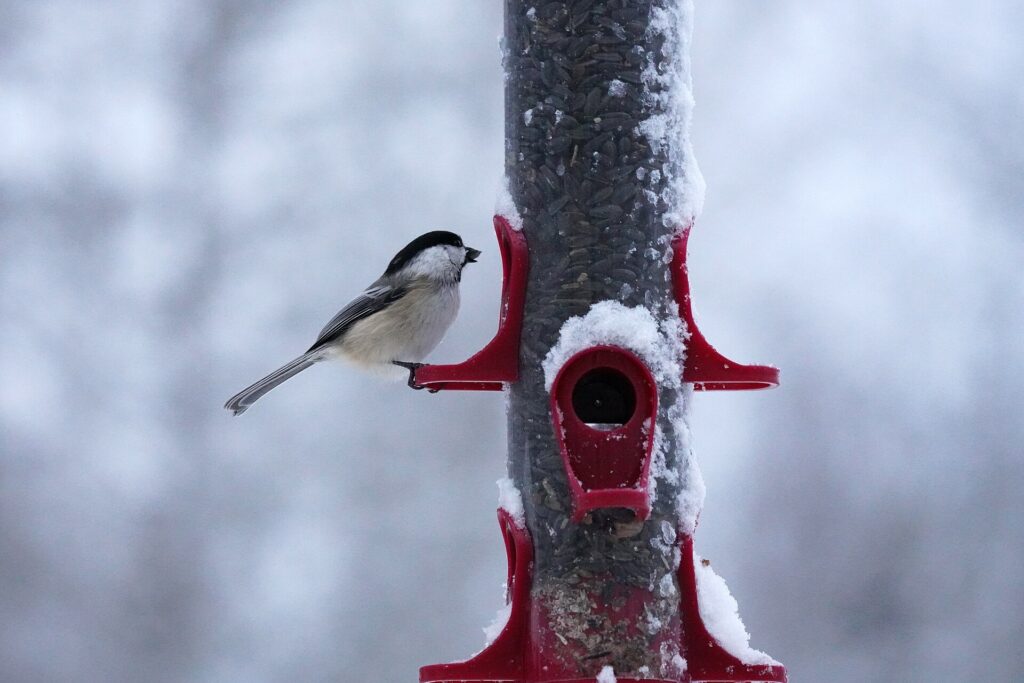
The Christmas Bird Count (CBC) is a volunteer bird census run by the National Audubon Society. Every year, between December 14 and January 5, volunteers count every bird they see or hear in an assigned area during a single 24-hour count day. Audubon calls it one of the world’s longest-running community science projects, with more than 85,000 volunteers and more than 2,700 active counts across the Americas and the Pacific.
It started as a protest against a holiday hunting contest. On Christmas Day, 1900, ornithologist Frank M. Chapman proposed a “Christmas Bird Census” instead of the “Side Hunt,” where people competed to shoot the most birds. That first year, 27 people ran 25 counts.
Can I count from my backyard?
Yes, as long as your home is inside a count circle. Audubon lists two ways to take part:
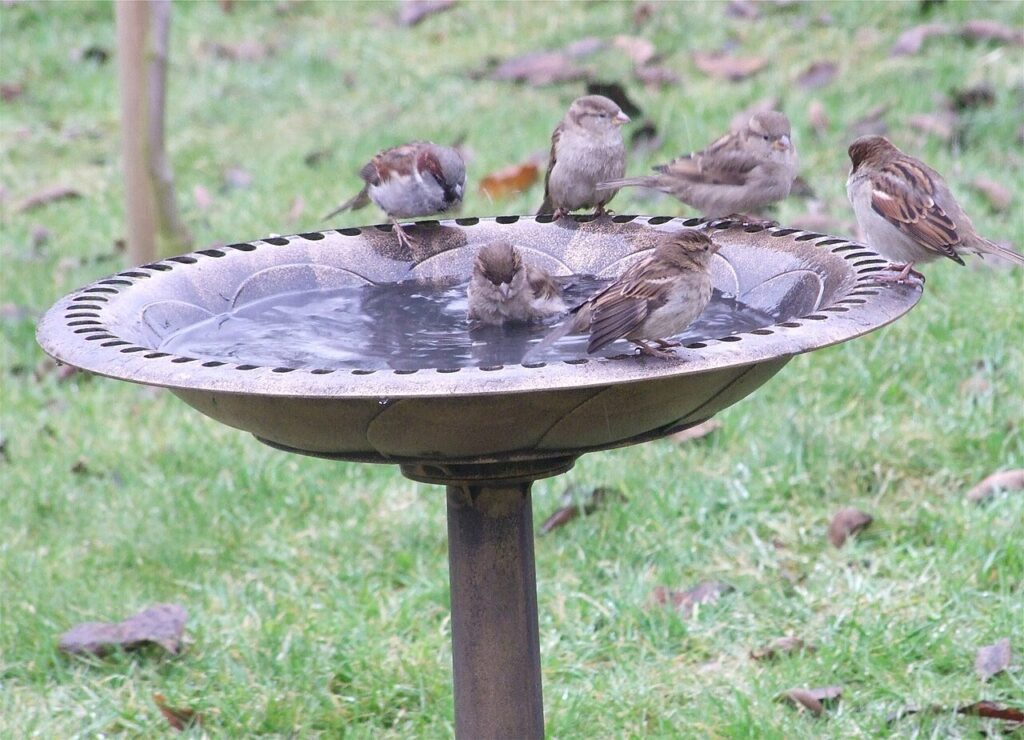
- Feeder counts: count all the birds you see or hear at a stationary feeder in your backyard or a local park inside a CBC circle. Audubon says no binoculars or hiking are needed, and it takes less time.
- Field counts: survey an assigned area during daylight, alone or with a group, and record every bird you see or hear. Some counts add an after-dark owl survey.
Each count circle is 15 miles (24 km) wide. Every circle picks its own count day inside the December 14 to January 5 window, and all counting has to happen within that one 24-hour day.
How to sign up
- Open Audubon’s Join a Christmas Bird Count page and use the CBC Circle Finder to find a circle near you.
- Register for that circle. The circle’s leader (called the compiler) will tell you the count day and whether you’ll count at your feeder or join a field group.
- Ask the leader how they want your numbers reported. Follow their instructions; they collect the circle’s results.
- If there’s no circle near you, Audubon’s page explains how to start or restart one.
Audubon says beginners are welcome and many counts have binoculars and field guides you can borrow.
How to get ready for a feeder count
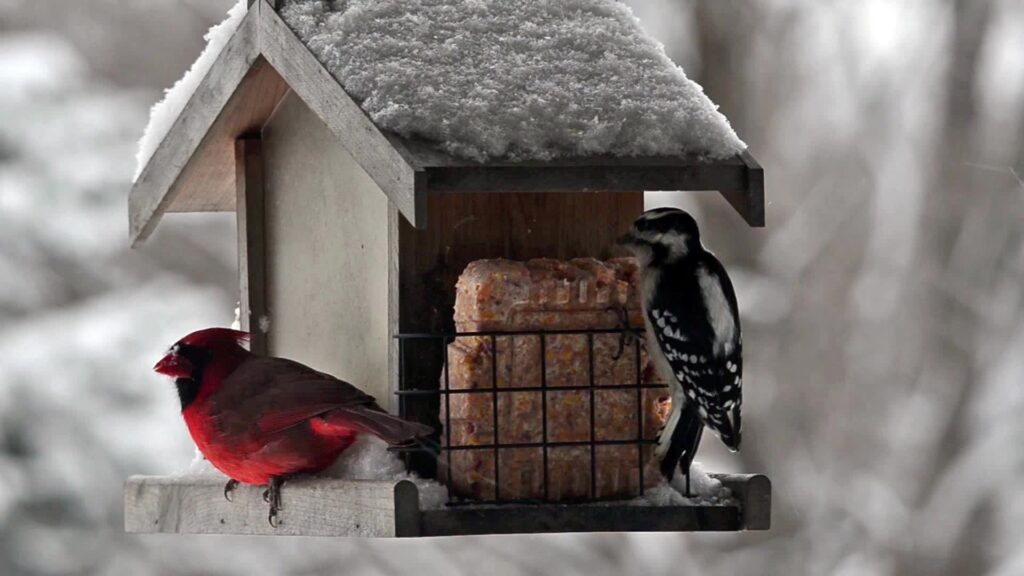
- Fill the feeders a day or two early so birds are already visiting on count day.
- Print a tally sheet. Our free backyard bird tally sheet works for a feeder count. Follow your circle leader’s instructions for exactly what to count and report.
- Keep an ID chart by the window. Our free backyard bird ID chart by color covers 48 common US birds.
- Know your winter regulars. See winter backyard birds by region for what usually shows up where you live.
- Write down anything you can’t identify with a quick description and ask the leader. A good guess is not as useful as an honest “not sure.”
Counting with kids
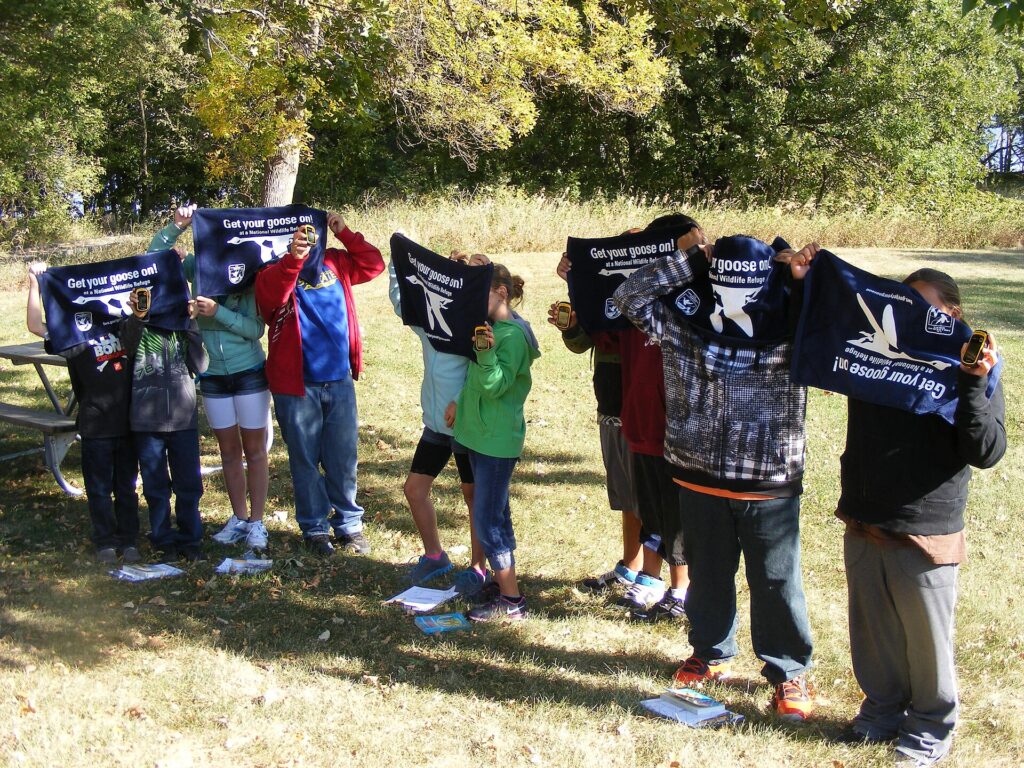
A feeder count is a good first taste of real science for kids: it happens at the window, it has a clear goal, and the results go to a project that has run for more than a century. Give each child a job, such as watching one feeder, keeping the tally, or checking the ID chart. Afterward they can start a backyard bird life list. For more ideas, see how to get kids interested in birdwatching.
Why the count matters
Audubon says CBC data have shown declines in grassland birds like the eastern meadowlark, documented northward range shifts in birds like the red-bellied woodpecker and Carolina wren, and flagged American kestrel declines decades before other programs. More than 300 peer-reviewed papers have used the data. The count also helped inform the 2019 study finding that North America has lost about 3 billion birds since 1970. See how that plays out where you live in our backyard bird declines by state report.
Frequently asked questions
When is the 2026 Christmas Bird Count? December 14, 2026 to January 5, 2027. Each circle counts on one day in that window, so check your circle’s date.
Does it cost anything? No. Audubon says participation is free.
Do I need to be an experienced birder? No. Audubon says all skill levels are welcome, and feeder counters don’t need binoculars.
What if I don’t live in a count circle? You can join a field count at the nearest circle, or look into starting one. Audubon’s join page explains both.
Is it the same as Project FeederWatch? No. FeederWatch runs all winter on days you choose; the Christmas Bird Count is a single count day per circle. See our FeederWatch guide and tally sheet.
Sources: National Audubon Society, “Join a Christmas Bird Count” and “About the Christmas Bird Count” (audubon.org), read November 8, 2026.