
Clean your seed feeders about every two weeks, and weekly when the weather is wet or the feeders are busy. Take the feeder apart, scrub out old seed and droppings, soak it for 10 minutes in a solution of 1 part household bleach to 9 parts water, rinse it well, and let it dry completely before you refill it. That routine, recommended by both the Cornell Lab of Ornithology and Audubon, is the single most useful thing you can do to keep feeder birds from making each other sick.
It takes about 15 minutes a feeder. Here is how to do it, how often for each kind of feeder, and what to do if you see a sick bird.
Why dirty feeders matter
A feeder is the one place in nature where dozens of birds eat from the same spot every day. That is great for watching and bad for disease. Wet seed grows mold, droppings collect on perches and trays, and a single sick bird can leave bacteria or parasites behind for every bird that lands after it. The three diseases people see most at feeders spread exactly this way:
- Salmonellosis. A bacterial infection that hits finches, pine siskins and other flocking birds hardest, usually in late winter. Sick birds look fluffed up and lethargic and often sit on the feeder or the ground without flying off.
- House finch eye disease (mycoplasmal conjunctivitis). Project FeederWatch describes the signs as “red, swollen, runny, or crusty eyes,” sometimes swollen shut. It spreads when birds touch the same feeder ports.
- Avian pox. Wart-like growths around the eyes, the base of the bill and on the feet. It spreads by contact with contaminated perches and surfaces.
You can’t prevent every case, but a clean feeder and clean ground under it cut the odds a great deal. Seed on the ground also draws night visitors; see will skunks eat bird seed.

What you need
- Plain unscented household bleach (or a dishwasher with a hot setting, for feeders that can go in one)
- A bucket or tub big enough to submerge the feeder
- A long-handled bottle brush for tube feeders, like this Holikme brush set, and small port brushes for feeding holes, like this 19-piece set
- Rubber gloves
- An old towel or a spot in the sun to dry the feeder
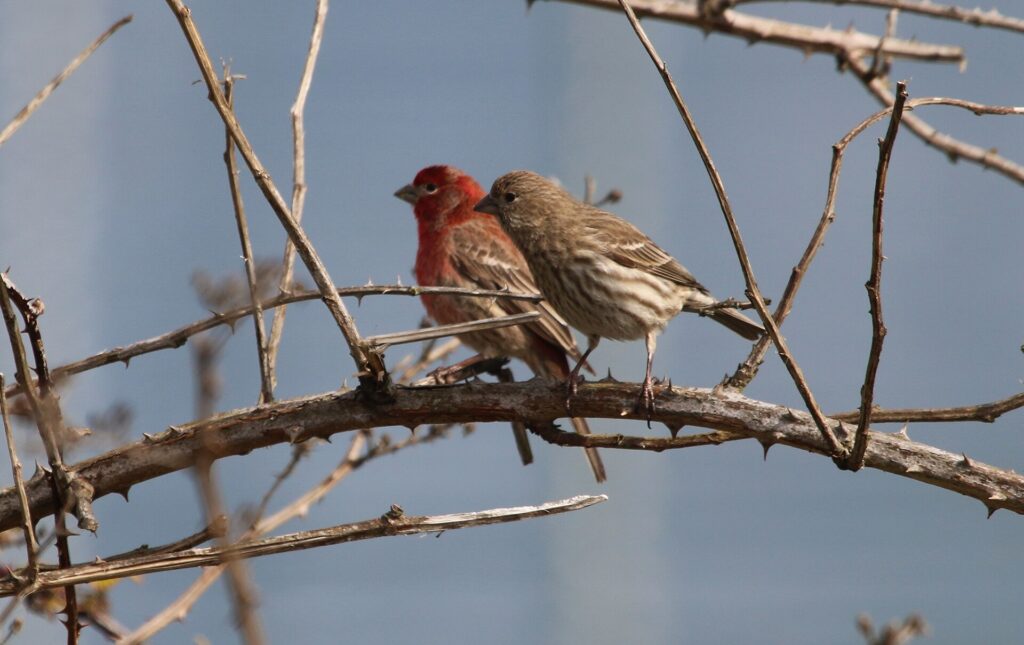
How to clean a seed feeder, step by step
- Empty it outdoors. Dump the old seed in the trash, not on the ground. Old seed is where the mold is.
- Take it apart. Remove the base, the perches, the lid and any trays. Most tube feeders are built to come apart; if yours doesn’t, that’s a good reason to replace it (see below).
- Scrub off the crud. Use hot soapy water and the brush to get out caked seed, hulls and droppings. Bleach doesn’t work well on dirt, so this step comes first.
- Soak for 10 minutes. Mix 1 part bleach to 9 parts water (about 1½ cups of bleach in a gallon of water) and submerge every piece. Cornell calls this soak “a very effective step.” Don’t make it stronger than 1 to 9.
- Rinse thoroughly. Rinse until you can’t smell bleach.
- Dry completely. Let every piece dry in the sun or overnight before refilling. Seed put into a damp tube clumps and molds within days.
- Clean the ground underneath. Rake up hulls, droppings and wet seed and bag them. Both Cornell and Audubon call this out, because birds feeding on the ground pick up whatever the feeder dropped.
If you don’t want to use bleach, Cornell says hand washing with soap and boiling water, or running dishwasher-safe feeders through a hot cycle, also works. What matters most is getting the feeder clean and completely dry.
Worried about pigeon droppings under the feeder? See are pigeons dirty birds? for what the real risks are and how to clean up safely.
A bird breathing with its bill open in cool weather can be a sign of illness at the feeder. Here’s why birds keep their mouths open and how to tell the normal reasons from the worrying ones.
How often, by feeder type
| Feeder | How often | Notes |
|---|---|---|
| Tube and hopper seed feeders | Every 2 weeks; weekly in wet weather or heavy use | Check the bottom of the tube for packed, wet seed |
| Platform and tray feeders | Weekly, and brush off droppings every refill | The most exposed feeder; birds stand in the food. See our platform feeder guide for designs that drain. |
| Nyjer (thistle) feeders | Every 2 weeks | Finches are the birds most prone to eye disease; don’t skip these |
| Suet feeders | Every 2 to 4 weeks; replace cakes that go rancid in heat | Wire cages go in the soak like any feeder |
| Hummingbird feeders | Every refill: every 2 to 3 days in heat, weekly when cool | Hot water and a small brush; a vinegar soak for mold |
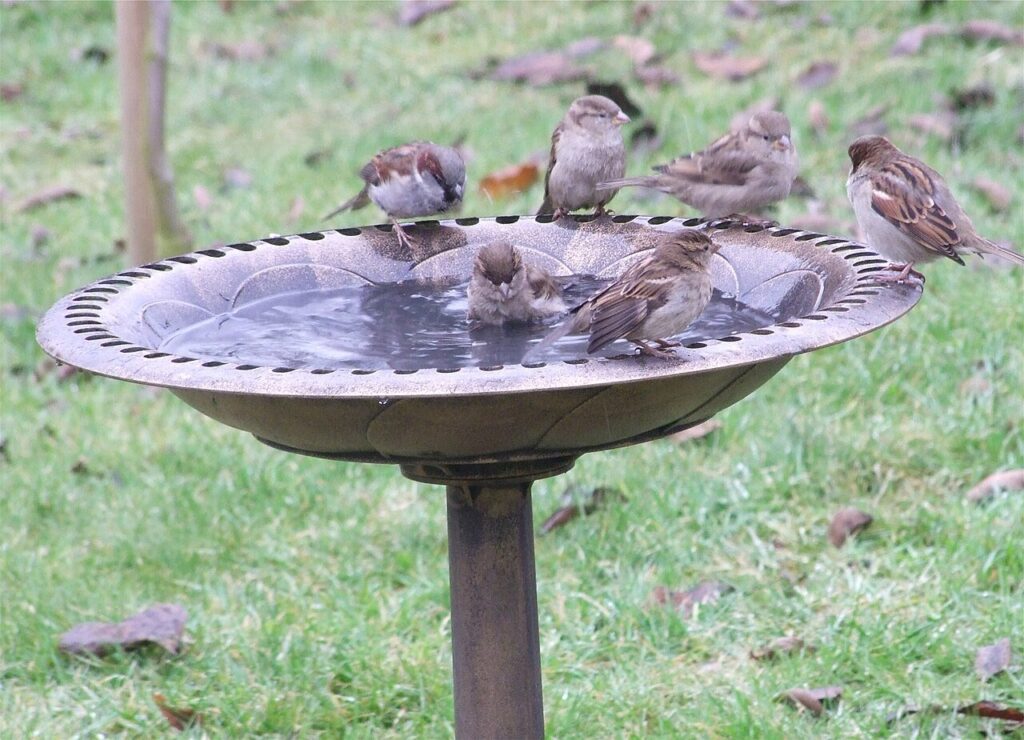
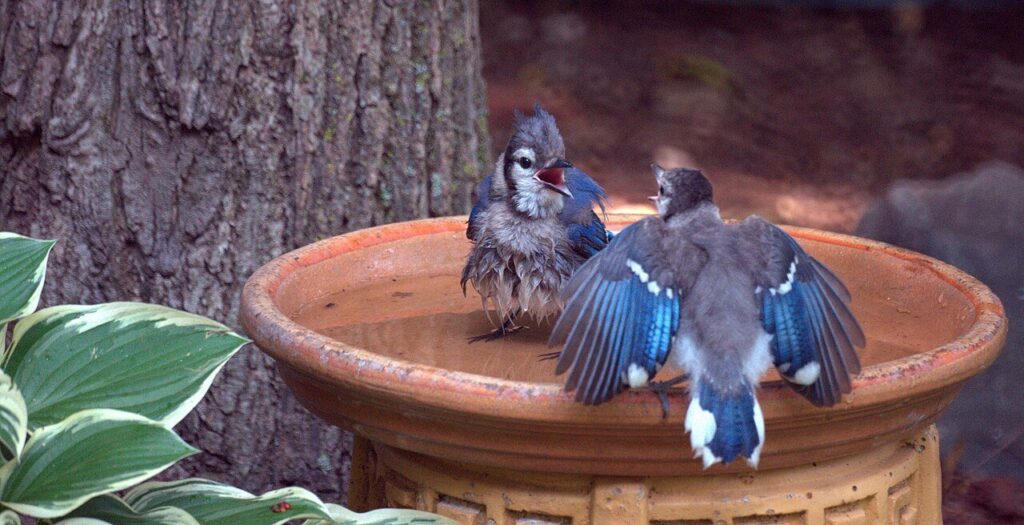
| Bird baths | Every 2 to 3 days in summer | Dump, scrub, refill. Our bird bath guide has more. |
If you see a sick bird
Project FeederWatch’s advice is to “remove the feeders the sick bird is using for a couple of weeks.” Take them down, give them a full bleach clean, rake the ground, and leave them down for about two weeks so the flock disperses and stops sharing the same perches. Then hang them clean and keep to the two-week schedule.
Don’t try to catch or treat the bird. Audubon’s guidance is to leave it alone and call a local wildlife rehabilitator for advice, and only licensed rehabilitators and veterinarians can legally treat wild birds. If you find several dead or sick birds, your state wildlife agency usually wants to hear about it, since outbreaks are tracked. During a regional salmonella outbreak, state agencies sometimes ask everyone in an area to take feeders down for a few weeks, as Idaho and Washington have done in past winters. If yours does, follow it.
Habits that make cleaning easier
- Fill less, more often. Put out what the birds finish in two or three days, so seed doesn’t sit and get wet.
- Spread feeders out. Audubon notes that having several feeders apart from each other keeps birds from crowding one spot, which slows disease.
- Keep seed dry. A roofed or covered feeder and a drainage floor on trays help, and so does storing seed properly; our seed storage guide covers it.
- Use no-mess seed under decks and patios. Hulled seed leaves nothing on the ground to rot. See our bird seed guide.
- Buy feeders that come apart. If you can’t reach the bottom of a tube, you can’t clean it. When you shop, check that the base and ports come off by hand.
Cleaning is step one of the seasonal job. Our winter feeder checklist covers the other eight.
Bottom line
Every two weeks: empty, take apart, scrub, soak 10 minutes in 1 part bleach to 9 parts water, rinse, dry, and rake up underneath. Weekly for trays and in wet weather. If a bird with crusty eyes or a fluffed-up, lethargic look shows up, take the feeders down for two weeks and clean everything. That is most of what it takes to keep a busy feeder from becoming a sick one.