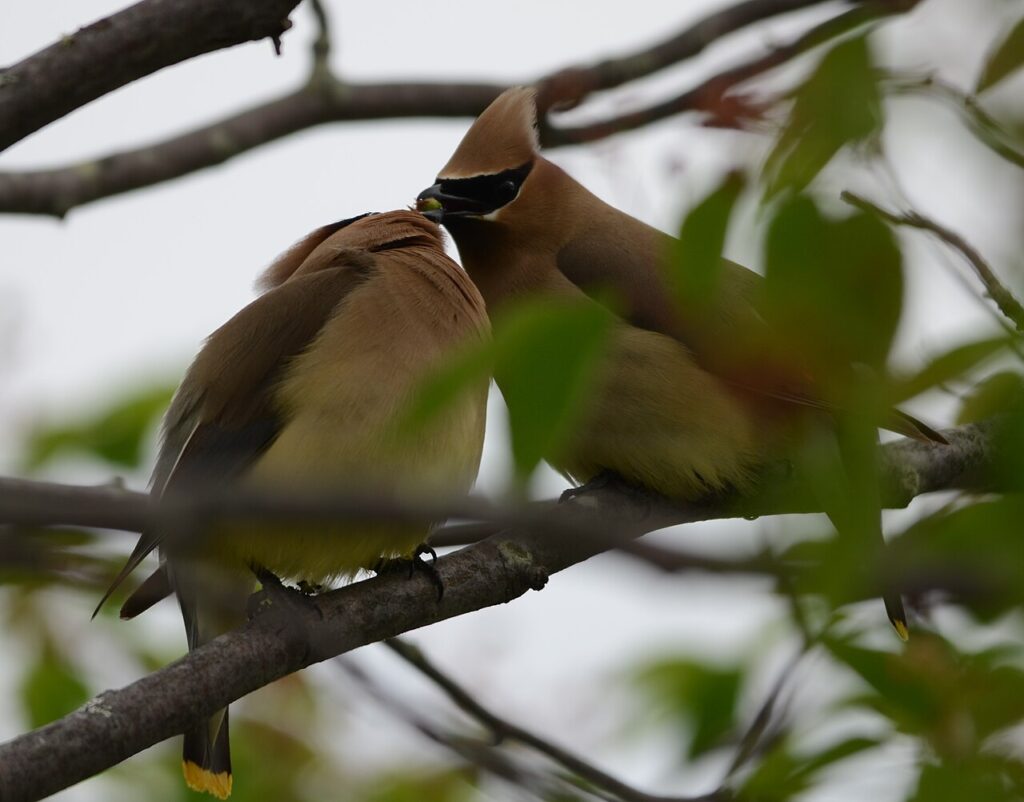
A bird-friendly garden gives birds four things: food, water, cover and a place to nest. Feeders cover part of the food. Everything else comes from what you plant, and the most important choice you’ll make is to plant native species, because native plants feed the insects that nearly every songbird raises its young on.
Here is how to set up a yard that birds use all year, with plant picks for every region of the country.
Why native plants matter more than feeders
Most backyard birds eat seed in winter, but almost all of them feed their babies insects, mostly caterpillars. Audubon reports that a single Carolina chickadee family eats more than 9,000 caterpillars in the roughly 16 days between hatching and leaving the nest.
Those caterpillars come from plants, and they come overwhelmingly from native ones. A 2017 study by Desiree Narango and Doug Tallamy in yards around Washington, D.C., found native trees hosted 20 or more caterpillars in a five-minute search, while non-native plants had one or fewer, and chickadees nested more often in yards with plenty of native trees. Oaks are the champions: they support up to 557 species of moths and butterflies. Wild cherries and plums support up to 456, and maples up to 297.
So the most bird-friendly thing in most yards isn’t a feeder. It’s an oak.
1. Food: plant in layers, for every season
Think of the yard in three layers, and try to have something producing food in each season.
- Trees for insects in spring and summer, and acorns, seeds and nesting cavities later. Oaks, wild cherries, maples and hackberries do the most.
- Shrubs for berries in late summer and fall, when migrants need to fatten up, and for cover. Dogwoods, serviceberry, elderberry, viburnums and native hollies are the workhorses.
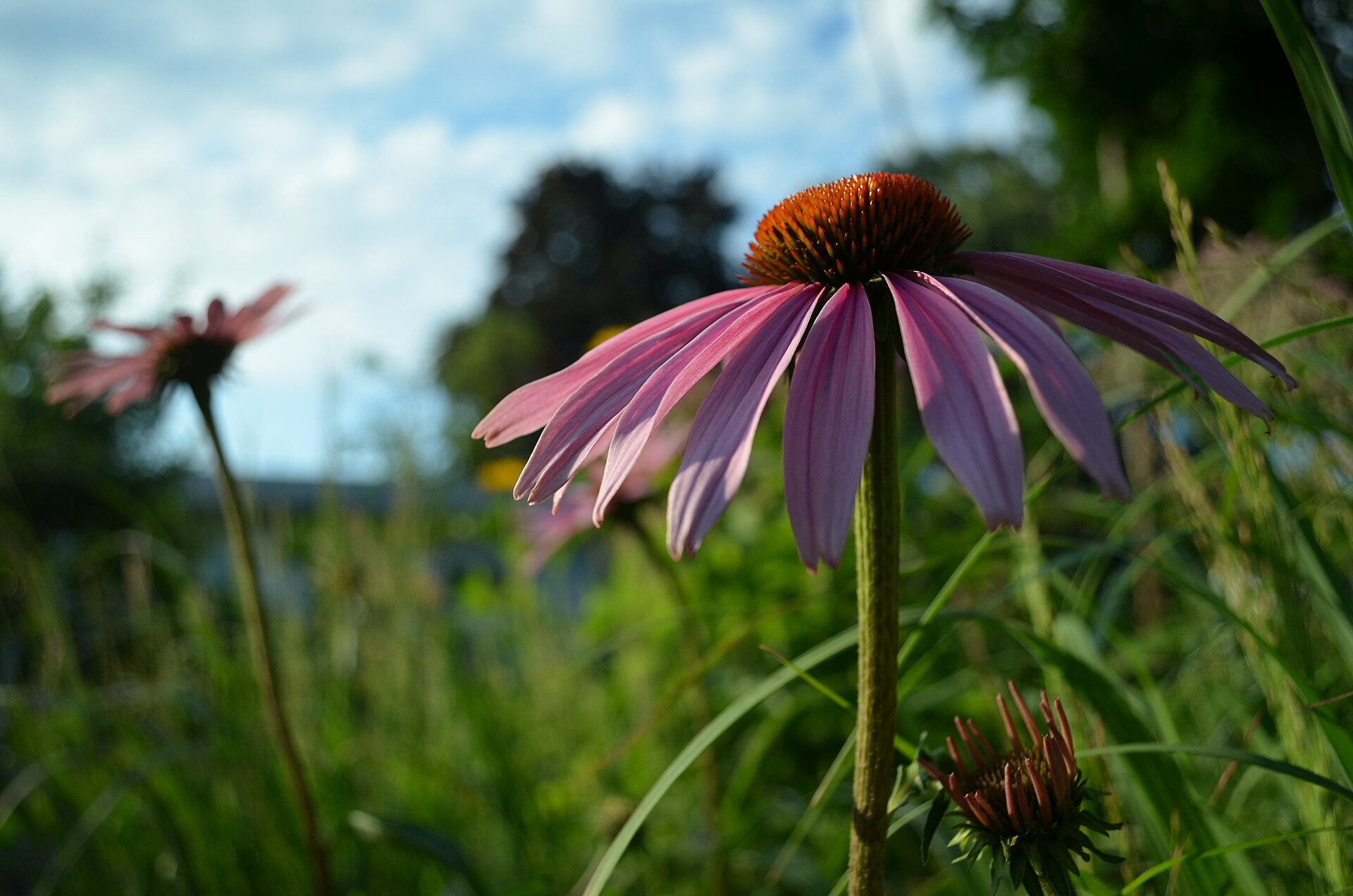
- Flowers and grasses for seed in fall and winter, and nectar for hummingbirds. Coneflowers, black-eyed Susans, sunflowers and native grasses feed goldfinches and sparrows into winter if you leave the seed heads standing.
That last point matters: don’t cut your flower beds back in fall. The dead stems and seed heads are winter food, and many insects overwinter in them.
Plant picks by region
These are proven bird plants native across most of each region. What’s native to your county can be narrower, so check Audubon’s native plants database, which gives a list by ZIP code, before you buy.
| Region | Trees | Shrubs | Flowers and vines |
|---|---|---|---|
| Northeast and Midwest | White and red oak, black cherry, serviceberry | Gray and flowering dogwood, winterberry holly, elderberry | Purple coneflower, black-eyed Susan, cardinal flower |
| Southeast and Gulf Coast | Southern red oak, live oak, black cherry | American beautyberry, yaupon holly, wax myrtle | Coral (trumpet) honeysuckle, coneflowers, salvia |
| Plains and Mountain West | Bur oak, hackberry | Chokecherry, serviceberry, golden currant | Sunflowers, Rocky Mountain bee plant, penstemon |
| Desert Southwest | Netleaf hackberry, mesquite | Desert willow, fourwing saltbush, sumac | Penstemon, desert marigold, native salvias |
| Pacific Coast | Coast live oak (CA), Oregon white oak (OR, WA) | Toyon, manzanita, red-flowering currant, native elderberry | Native salvias, California fuchsia, orange honeysuckle |
For hummingbirds specifically, our hummingbird plant guide goes region by region.
2. Water: the fastest way to add birds
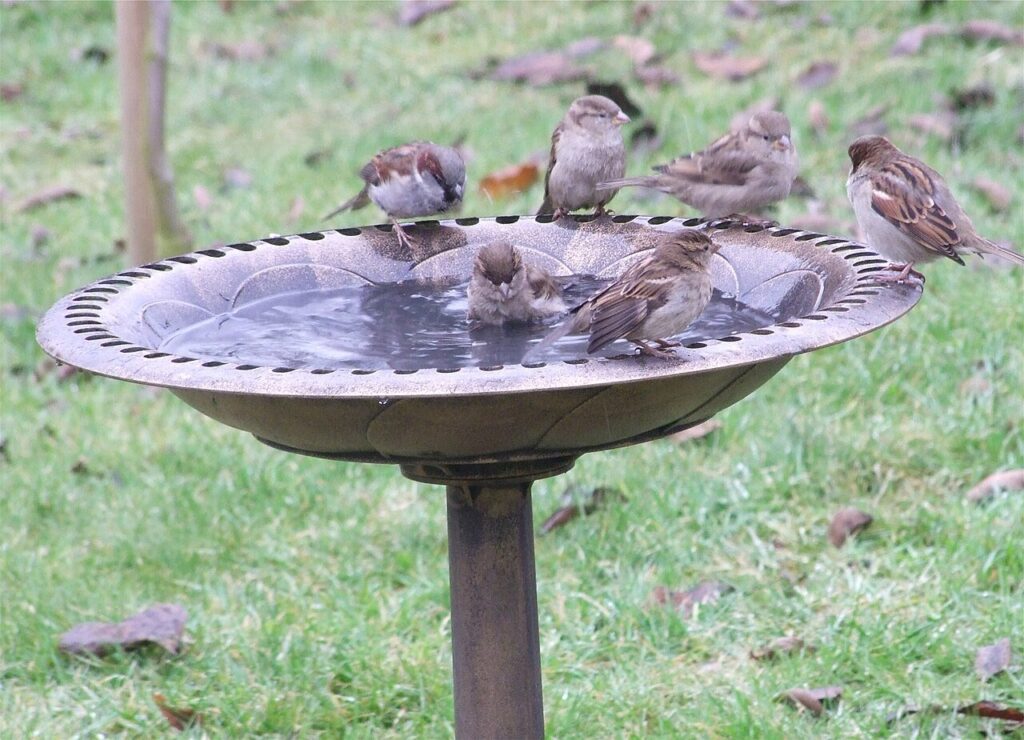
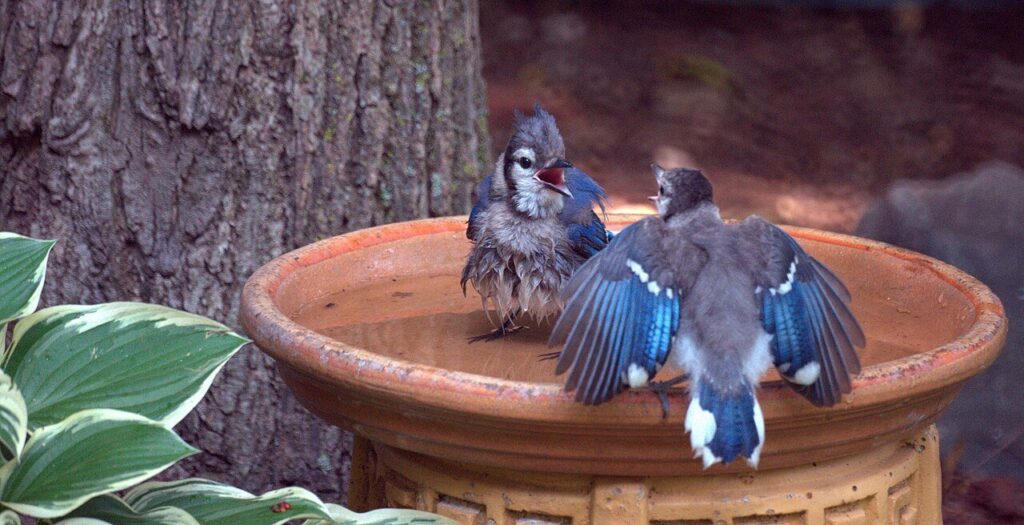
A clean, shallow bird bath brings in birds that never touch a feeder: robins, bluebirds, warblers, thrushes. Keep it one to two inches deep with a gentle slope, put it within about 10 feet of a shrub so birds have an escape route but not so close that a cat can hide beside it, and dump and scrub it every two to three days in summer. Our bird bath guide covers which styles birds actually use.
In cold-winter areas, open water in January can bring in more birds than seed. A heated bath or a de-icer in the bath you already have does it; see our heated bird bath guide.
Robins, catbirds and bluebirds that nest in your garden all lay blue eggs. Here’s what bird lays a blue egg and how to tell them apart.
3. Cover: give them somewhere to hide
Birds won’t use a feeder or bath in the middle of an open lawn, because they have nowhere to go when a hawk shows up. Plant dense shrubs and a few evergreens, and keep them near your feeding area. Two cheap extras birds love:
- A brush pile. A loose pile of branches in a back corner is winter shelter for sparrows, juncos, wrens and towhees.
- Leaves under shrubs. Leave fallen leaves in the beds. Thrushes, towhees and sparrows forage in leaf litter, and it’s where many of next year’s caterpillars spend the winter.
4. Places to nest
Shrubs and trees give cup-nesting birds like cardinals, robins and catbirds places to build. For cavity nesters (bluebirds, chickadees, wrens, titmice) put up a nest box sized for the bird you want, with the right entrance hole: 1⅛ inches keeps out everything bigger than a chickadee or wren, and 1½ inches admits bluebirds while keeping starlings out. If you can, leave a dead tree or a tall dead limb standing where it can’t fall on anything; woodpeckers will excavate it and other birds will use their old holes.
5. Then add feeders
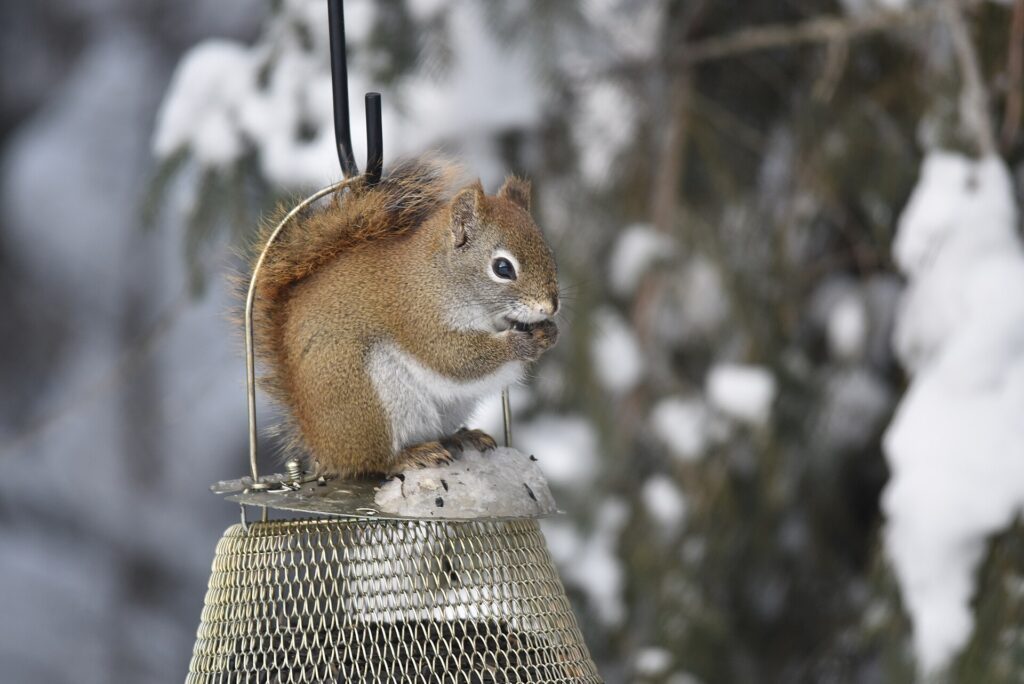
Feeders fill the gap in winter and bring birds close enough to watch. Start with one tube feeder of black oil sunflower and a tray for ground feeders; our bird seed guide and platform feeder guide cover what to buy. Keep them clean, every two weeks, as our feeder cleaning guide explains.
What to skip
- Pesticides. Insecticides kill the caterpillars birds feed their young. If a plant is being eaten, that’s usually birds’ food doing its job.
- Invasive shrubs. Burning bush, Japanese barberry, bush honeysuckle and Bradford pear are still sold widely, host few insects, and spread into woods. Replace them over time with natives.
- A perfect lawn. Turf feeds almost nothing. Every bed you add and every section of lawn you let go to native plants makes the yard more useful to birds.
- Cats outdoors. Outdoor cats are one of the biggest causes of bird deaths in the U.S. A bird-friendly yard and an outdoor cat don’t go together.
Growing vegetables too? Here’s how to keep birds away from tomato plants without trapping or harming them.
Start this weekend
You don’t have to redo the whole yard. Fall is the best time to plant trees and shrubs in most of the country, so pick one native tree or two native shrubs for your region, put in a shallow bird bath near cover, and leave this year’s leaves and seed heads where they fall. That alone will change which birds you see next spring.
A bird-friendly garden also means fewer surprises from predators; how backyard birds outsmart predators explains what the cover is for.