Predator-Prey Dynamics in Bird Life: The Shocking Ways Birds Outsmart Danger

Introduction: How birds manage to survive will surprise you: It’s like watching a daily mystery when you see birds in action, from small songbirds to wise sparrows. Right away, let’s confront the central mystery: Birds Avoid Predators using tricks so clever they read like espionage and those tricks reshape everything from mating dances to neighbourhood turf wars. Assuming that birds are pretty creatures in trees, this posting will change this perception to its opposite. Discover why some of those species – like urban nuisances – can take to pathways; the strange ways in which birds stay alive; and the strange ways the pressure of predation can also influence bird behaviour.

Why Predator-Prey Dynamics Matter (And Why You Should Care)

Predation is the silent director of the natural world. As predators attack, prey species respond, and their responses affect ecosystems. In this natural dispute, birds are on the front lines. How they sense danger, where they build nests, and even how they sing can be traced back to one fact: surviving another day. Understanding this drama matters not just for science nerds – it helps gardeners protect fledglings, city planners design bird-friendly spaces, and anyone who’s ever had breakfast interrupted by a dive-bombing crow.

Birds Avoid Predators


The Essentials: How Birds Detect Threats

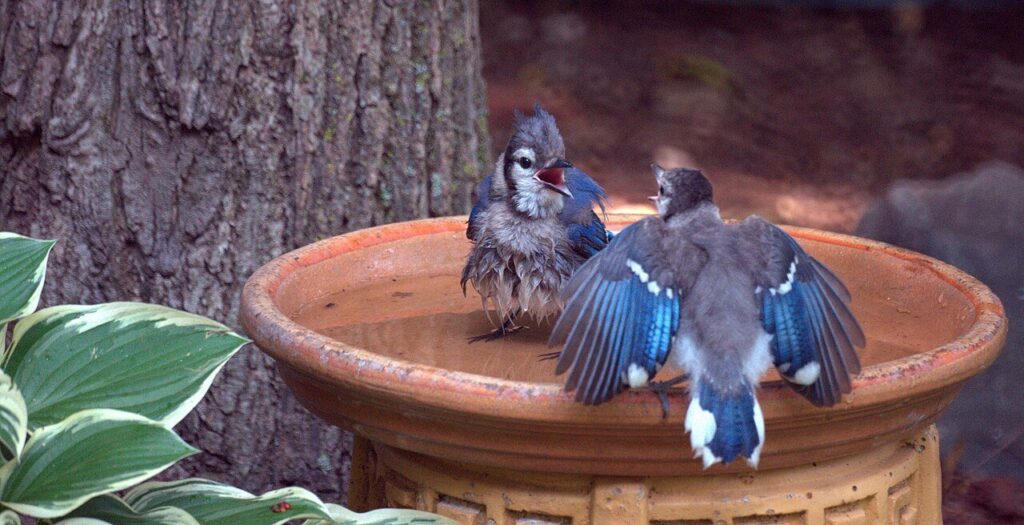
Birds possess an arsenal of sensory and behavioural tools. Some use eyesight that picks up predator silhouettes; others use hearing to detect rustles. Many rely on social information, a single alarm call can send a whole flock into coordinated flight. This social network is so powerful that species with strong alarm-call cultures can better survive where predator numbers are high. In other circumstances, birds may change their habitats – moving to more dense areas, higher perches, or even urban areas – all of which are strategies that ensure Birds Avoid Predators and pass on genes to the next generation.

The Role of Evolution: Behaviour as a Survival Machine

Evolution doesn’t plan, it edits. Birds that survive repeated violent encounters rely on behavioural instincts – timidity, agility, courage – to determine what works. Over generations, those tendencies become hardwired: species that constantly encounter aerial predators may develop secretive sides; species may become domesticated in hunter-poor islands. But even within populations, behaviour remains plastic. A robin grown in a suburb with eagles will act differently from one raised in an area without them, showing the subtle and dramatic ways in which local predator pressure shapes behaviour.

Shock Tactics: The Most Dramatic Anti-Predator Behaviours

You think camouflage and flight are it? Think again. Birds pull off stunts that could headline a nature documentary.

Mobbing: When Prey Becomes the Predator’s Nightmare

Crowding out is the moment when birds decide to stand up and retaliate. Little songbirds, usually under the leadership of the brash ones, swarm around a sitting predator- dashing in and calling loudly and even pecking the intruder until he slips away. This community’s boldness keeps predators away and lets other birds know that the place is not dangerous. Mobbing also teaches juveniles what to watch for – a cultural transmission of survival tactics that keeps communities safe.

Distraction Displays: Leading Predators Astray

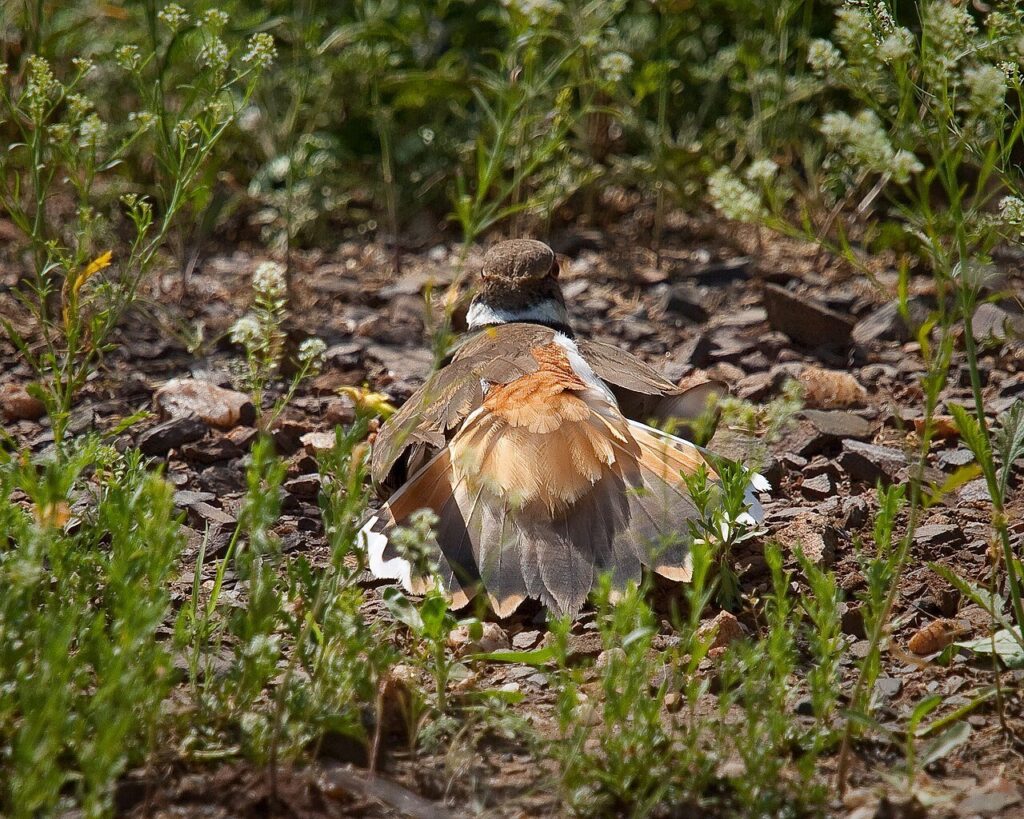
The parent can feign a wounded wing to make a predator divert attention by moving around in a high-profile manner. It is a dangerous game but where chicks are at stake, it is the sort of daring game with which nature favours to play.

Nest Placement: Genius Location Choices

Where to put a nest? It’s the million-dollar question for birds. Each choice therefore balances the risk of the predator against the food, whether it be in thorny trees, reeds, holes in the rocks, or up in the top. Production rates are higher for birds that can evaluate risk and choose safer areas; these choices are frequently made using emotion and experience.

Cities, Chaos, and Winners: Which Birds Thrive Where?

Urban environments have reshuffled the predator deck. Some predators, like falcons adapt to cities precisely because pigeons and starlings abound. Other predators decline where human presence is high. That creates winners and losers among bird species. Clever, opportunistic birds that can read human cues or exploit rubbish bins become urban champions.

The Controversial Stars: Blackbirds and Grackles

A small number of aggressive and adaptable species tend to dominate urban and suburban areas – Blackbirds and Grackles. These birds are queens of seizing new niches, whether it is at feeders or on ledges. The success they eventually attain is related to their anti-predator mechanisms: boldness, living in groups, and a strange knack for employing human presence as a shield. When you see a noisy group of grackles bathing in a parking lot, you’re watching a survival strategy in action – a real-time solution to how Birds Avoid Predators in human-dominated landscapes. 

Why Some People Hate – and Others Love – Urban Birds

In addition, grackles and blackbirds can be distracting to homeowners due to their volume and popularity; they additionally show adaptability. They may appear fearless because of their boldness. Yet, it is risk-taking behaviour: living in groups around humans, they can become less exposed to natural predators and become more successful in foraging. To nature lovers, they are a constant reminder of the process of natural selection in our backyards. 

Hidden Costs of Anti-Predator Behaviour

Avoiding predators isn’t free. Not feeding, conceiving, or producing eggs is the time spent on alert. Birds experiencing a lot of predation frequently forgo growth or reproductive productivity to survive. In ecosystems with intense predator activity, you’ll usually find birds with smaller clutches, delayed breeding, or slower chick growth all consequences of the trade-offs that keep them alive.

Alarm Calls: The Language of Survival and Its Price

Alarm calls save lives, but they can also attract attention. While an alarm can rally others to mob or flee, it can also pinpoint the location to a particularly clever predator. The evolution of alarm calls reflects a balance: calls must be effective at warning kin without turning the whole area into a predator’s map.

Timing Is Everything: When Birds Choose to Be Loud or Quiet

Birds learn when to shout and when to whisper. Nesting parents may stay silent when predators lurk nearby. At the same time, during daytime foraging, they may be vocal to coordinate group defences. The behavioural flexibility to shift between silence and alarm is crucial for species that face variable predation risk.

Case Studies: Real-World Examples That Will Surprise You

The Art of Mimicking Predators: When Prey Behaves More Recklessly

Certain animals deter predators by reproducing sounds or behaviors similar to species that they find more frightening. This behavior is rare, but it is a testament to how far birds are willing to go to survive.

Cooperative Sentinels: Meerkat-Like Birds

In particular species, one or a few individuals become sentinels, perching high to scan for danger while others feed. The sentinel sacrifices feeding time to give an early-warning system to the group – and in return, it gets safety in numbers and future reciprocal help.

Visual Deception: Plumage That Lies

Predators may become confused about the size or direction of the prey due to cover and confusing marks. As a dismal but practical survival strategy, some chicks have tail patterns that divert attention away from important organs and toward replaceable body parts.

The Predator’s Perspective: Not Just Birds Outwitting Hunters

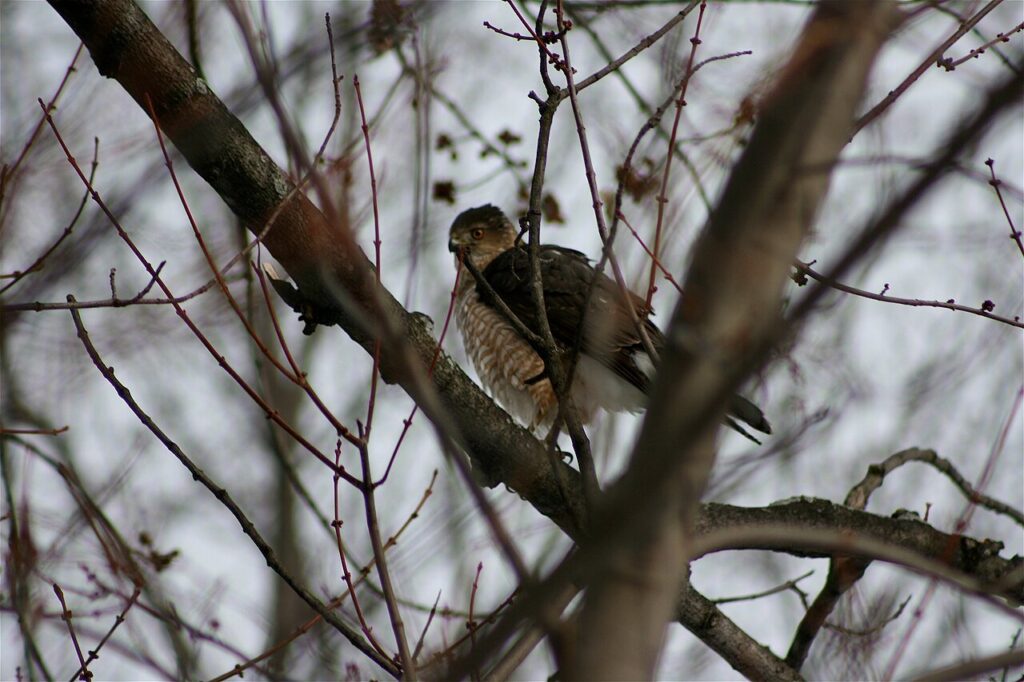
Predators evolve tactics, too. Hawks refine stooping techniques, snakes learn to detect nests by scent, and corvids (yes, crows and ravens) opportunistically exploit other predators’ kills. This ongoing arms race means birds continually adapt and their behaviour is a living archive of that struggle.

How Predator Behaviour Shapes Bird Communities

A sudden increase in a predator, say, a new raptor colonising an area can restructure bird communities within a season. Arboreal birds may increase, ground-nesting birds may decrease, and social species may increase due to potholes. Through the observation of these shifts, specialists can gain an understanding of the invisible factors affecting behaviour.

Overview – Predator-Prey Dynamics in Bird Life

SectionKey IdeaPrimary Keyword (Birds Avoid Predators)Secondary Keyword (Blackbirds and Grackles)
Opening SceneIntroduces how Birds Avoid Predators through instinct and strategy
Survival PatternsExplores predator-prey balance shaping bird behavior
City AdaptationsShows how birds thrive in urban settings
Urban SurvivorsHighlights Blackbirds and Grackles as bold city dwellers
Defense TechniquesDescribes decoys, mobbing, and nesting tricks
Field ExamplesShares real observations of survival tactics
Final InsightsWraps up lessons on adaptation and resilience


What You Can Do: Small Actions, Big Impacts

To help birds, you don’t need a PhD.  Simple changes reduce predation risk and support biodiversity.

Garden Smarts: Make Safer Spaces

Plant dense native shrubs, provide varied canopy layers, and avoid clearing all ground cover. These measures give birds more escape routes and hiding places practical ways to help Birds Avoid Predators in suburban gardens.

Feeders and Windows: Minimising Unintended Dangers

Keep feeders near cover so birds can dash to safety; move window feeders within a meter of glass to prevent deadly collisions. Consider predator-proofing nest boxes with baffles and appropriate hole sizes.

Community Action: Urban Planning with Birds in Mind

Trimmed borders or green roofs can be used to create refuges that help keep bird populations healthy by lowering the pressure of predation.

Birds Avoid Predators


Shocking Truths You Didn’t Expect

Observing others helps some species identify predators; cultural learning speeds adjustment.

Sometimes urban birds become brave because people suppress their predators, not because they are confident.

Across animal societies, creatures that live in groups exchange with each other for the safety of the group.

The Takeaway: Predator Pressure Shapes Everything

From tiny behavioural tweaks to large-scale community changes, the need to survive transforms birds in astonishing ways. Look closely at any flock, and you’ll see evolutionary history playing out alarms, mobbing, daring decoys, and strategic silence all in play. These behaviours are not quirks; they’re survival blueprints honed over millennia to help Birds Avoid Predators.

Final Thoughts: The Everyday Drama Above Our Heads

Next time you hear a sudden chorus of alarm calls, watch how birds react. This spectacle is no mere noise of wind, but it is a code, a living system of signals, which holds them in existence. The predator-prey dance is exhausting, imaginative, and, in most cases, dramatic, whether you are playing in your backyard or in a forest valley. There are survivors in the parks of the cities, blackbirds and grackles, making utilisation of human space in an evolutionary genius that is both opportunistic and genius.

Leave a Comment

Your email address will not be published. Required fields are marked *