Backyard birding needs less gear than any hobby you’ll ever take up. A feeder, a bag of the right seed and a free app will get you thirty species in most American yards within a season. Where people go wrong is buying the wrong things first: a cheap pair of binoculars that fogs up, a bag of grocery-store mix that draws nothing but sparrows, a feeder with a fancy shape that squirrels empty by noon. This is the list of what to buy, in order, with the cheap version and the worth-it version of each, and the things you don’t need at all.
Spark Lark is reader-supported. As an Amazon Associate we earn from qualifying purchases made through links on this page, at no extra cost to you.

The short version
| Buy this | Cheap and fine | Worth the upgrade |
|---|---|---|
| 1. A feeder | iBorn 15″ metal tube feeder | Pole with squirrel baffle to hang it on |
| 2. Seed | Wagner’s black-oil sunflower, 5 lb | Suet cakes, 10-pack + cage for winter |
| 3. Binoculars | Celestron Outland X 8×42 | Celestron Nature DX 8×42 |
| 4. Field guide | Merlin app (free) | Sibley East or Sibley West |
| 5. Water | Any shallow dish | A real bird bath with a heater for winter |
| 6. A record | Notes app | Sibley life list & diary |
1. One feeder, hung right
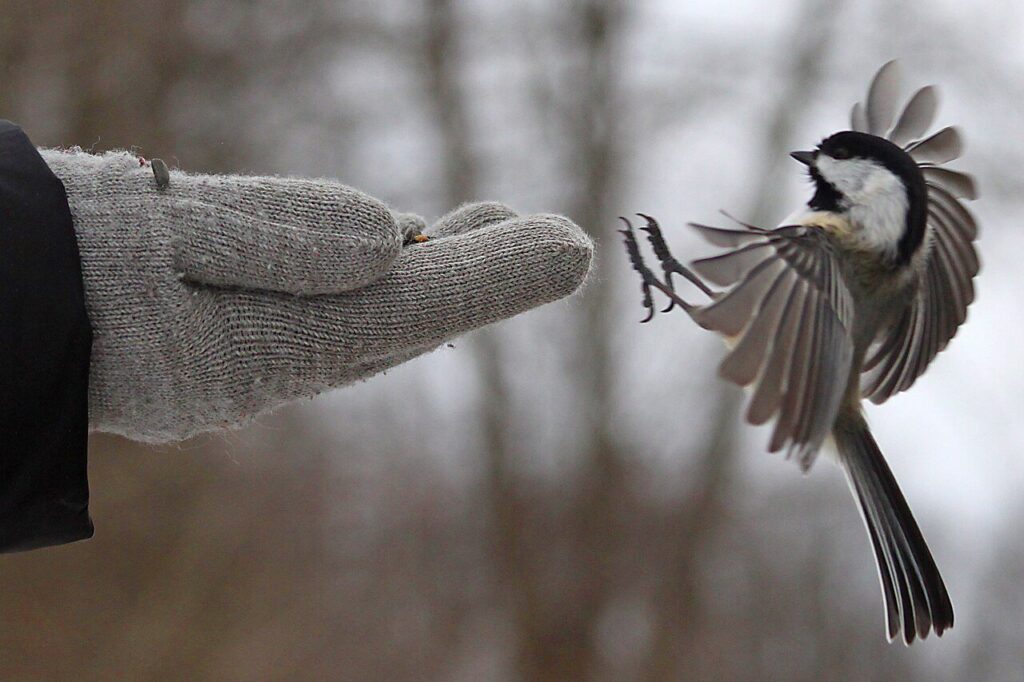
Start with a tube feeder, not a hopper, not a platform and not a “decorative” anything. A tube with metal ports holds a week of seed, sheds rain, and suits the birds that come first: chickadees, titmice, nuthatches, finches, cardinals at the bottom port. The iBorn 15-inch tube has chew-resistant metal ports, cap and base, six stations and a base that unscrews for cleaning, which is the one feature that separates a feeder you’ll keep from one you’ll throw out in April.
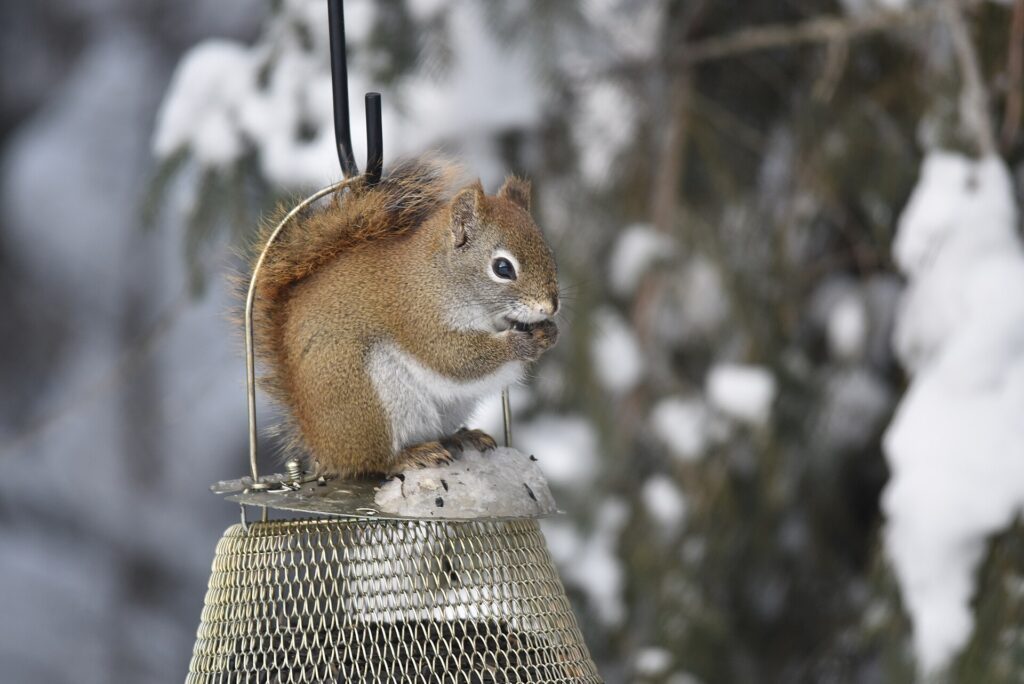
Where you hang it matters more than what it is. Ten feet from cover (a shrub, a small tree) so birds can retreat, five to six feet up, and either within three feet of a window or more than fifteen feet from one; the middle distance is where birds hit glass. If you have squirrels, and you do, put it on a pole with a baffle from the start rather than after they’ve found it. Our squirrel guide covers the rest.
2. Black-oil sunflower, and nothing else for now
One bag of black-oil sunflower is the entire seed budget for month one. Every seed-eating bird in North America takes it, the shell is thin enough for chickadees, and there’s no filler for the birds to throw on the ground. Skip mixes entirely; the cheap ones are mostly milo and cracked corn that nobody eats, and the good ones are just sunflower with extras you can add later.
Once the sunflower feeder is busy, the second purchase is a suet cage and a ten-pack of suet cakes, from October to March. Suet is what brings the woodpeckers, and a downy woodpecker on a suet cake is the moment most beginners get hooked. Our seed-by-season guide covers what to add after that.
3. Binoculars: 8×42, not the cheapest pair
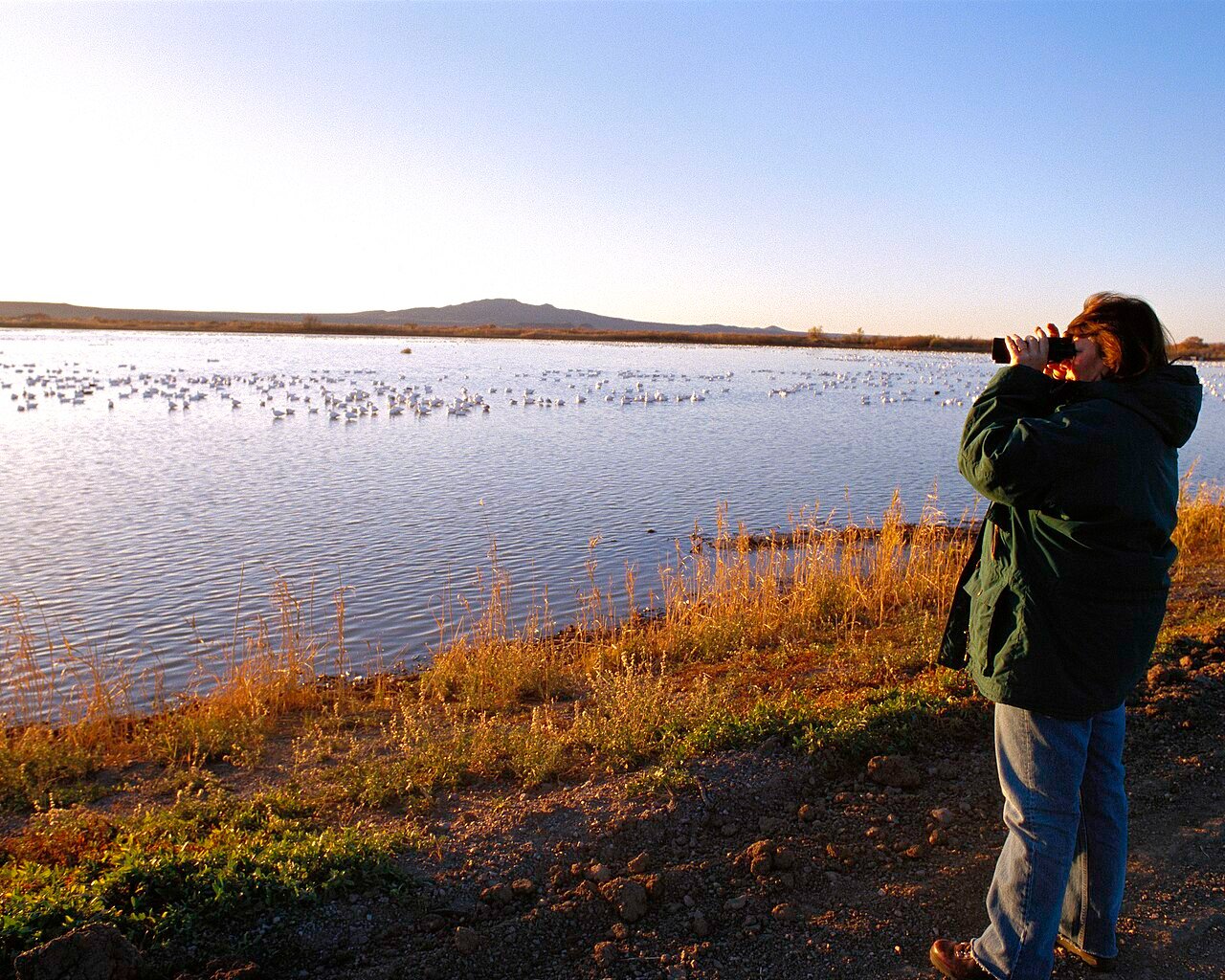
The numbers mean magnification and lens diameter. 8×42 is the standard for a reason: eight power is steady enough to hold by hand, 42 mm gathers enough light for dawn and dusk when the birds are busiest, and the field of view is wide enough to find a bird in a tree. Skip 10x (shaky, narrow) and skip compacts (dark). Skip anything under about $90, too; the $30 pairs sold as “bird watching binoculars” have plastic lenses, fog up, and are the reason people think they can’t use binoculars.
The Celestron Outland X 8×42 is the floor: waterproof, decent glass. The Celestron Nature DX 8×42 is the pair most birding clubs hand to beginners, with noticeably sharper edges and better close focus for the feeder ten feet away. If you can stretch a little further, the Nikon Prostaff P3 8×42 splits the difference with Nikon’s glass. Any of the three will last a decade.
4. Identification: the app first, then one book
Download Merlin Bird ID from the Cornell Lab. It’s free, it identifies birds from a photo or, remarkably, from their song through your phone’s microphone, and it shows you only the birds likely in your county this week. For the first year it’s most of what you need.
The book is for the couch, and for learning what to look at. Sibley Birds East or Sibley Birds West, depending on which side of the Rockies you live, is the one working birders use; the paintings show the field marks that photos hide. Kaufman’s guide covers the whole continent in one book and is easier for a total beginner. Buy one, not both.
5. Water
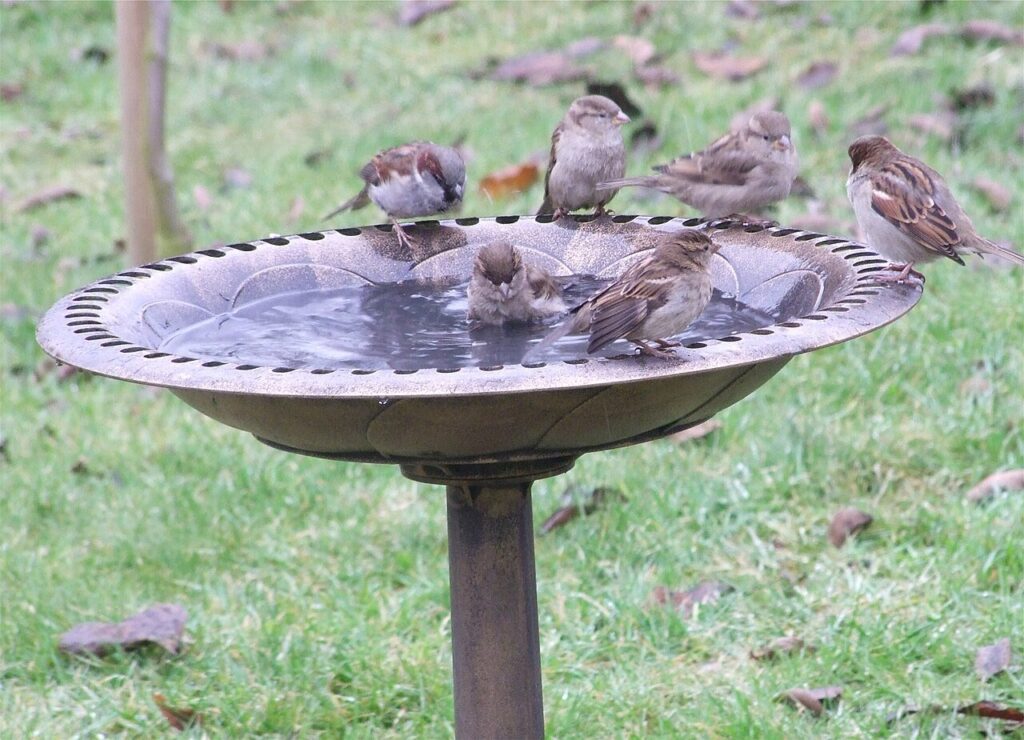
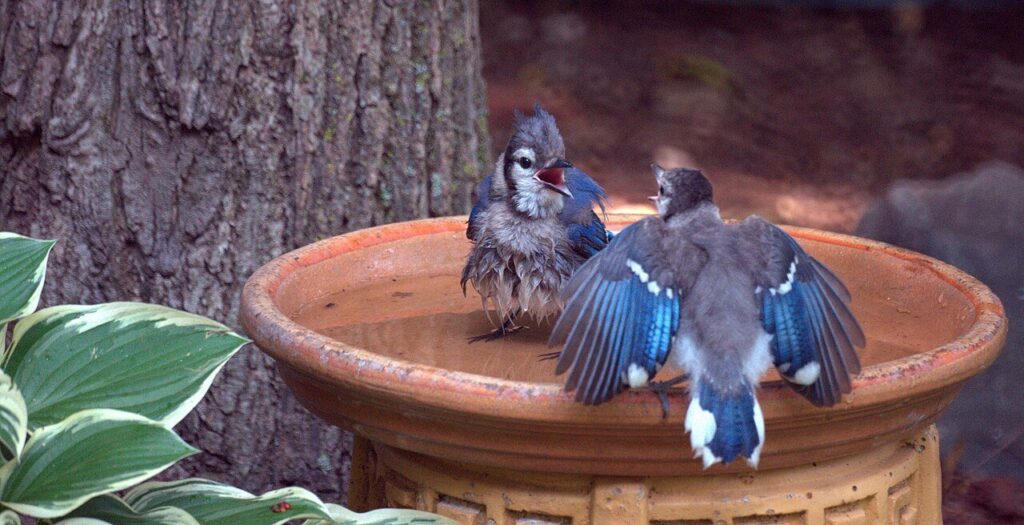
A dish of water draws birds that never touch a feeder: robins, warblers, catbirds, bluebirds. Any shallow dish an inch or two deep works to start. When you’re ready, a proper bird bath and, in the north, a thermostatic heater that keeps it open in January will outdraw the feeder some months. Our bird bath guide covers what actually works.
6. Keep a list
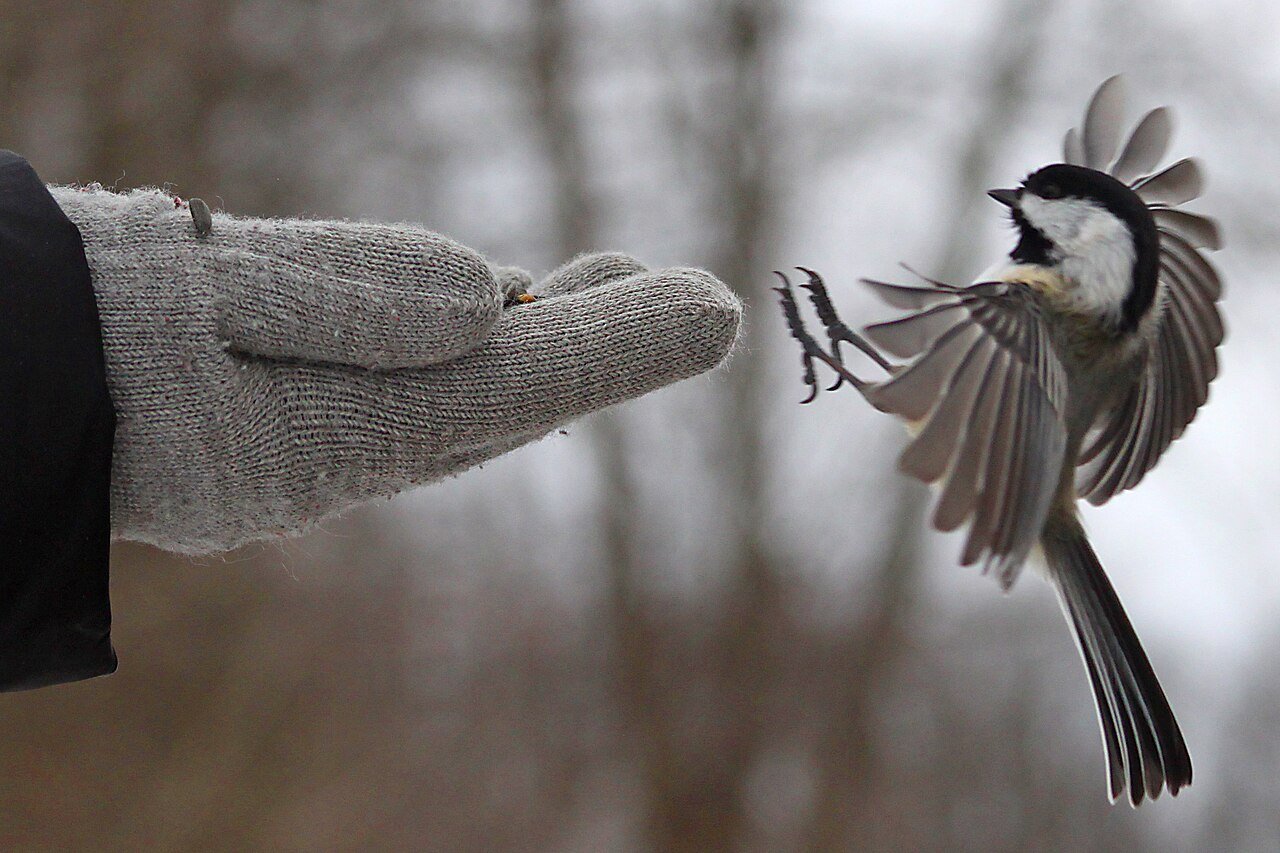
Write down what you see. A yard list is half the fun of this: thirty species the first year, then the day a new one shows up. Your phone’s notes app is fine. The Sibley Life List and Field Diary is the nicer version, and it makes a good gift for anyone you get hooked. Or use eBird, also free from Cornell, which keeps the list for you and feeds your sightings into the science.
When you’re ready for more: our binoculars under $500 guide covers the next step up, and our feeder pole guide shows how to set up a squirrel-proof feeding station.
What you don’t need yet
- A hopper or platform feeder. Later, for cardinals and jays. Month one is the tube.
- A hummingbird feeder unless it’s April to September. Then yes, and read our bees and wasps piece first.
- A smart feeder with a camera. They’re fun; we compared seven. But spending hundreds on a feeder before you know whether you’ll keep feeding is backward. Get birds first.
- A spotting scope, 10x binoculars, or a camera lens. That’s year three.
- Nest boxes. Worth it, but it’s a spring project with its own rules about placement and predators.
Buying for someone else? Our gifts for bird lovers guide is sorted by budget.
Bottom line
A tube feeder, a bag of black-oil sunflower, and the free Merlin app: that’s all it takes, and you’re birding by the weekend. Add 8×42 binoculars when you find yourself squinting at the far tree, and suet when the weather turns. Everything else can wait for the birds to tell you what they want.
Related: The best binoculars under $200 · How to create a bird-friendly garden · Getting kids into birdwatching · Winter backyard birds by region