Spark Lark is reader-supported. As an Amazon Associate we earn from qualifying purchases, at no extra cost to you. How we choose products.
Bird seed is the one backyard purchase you make over and over. A feeder lasts ten years. A 20-pound bag of seed lasts three to six weeks in a busy yard, which means the bag you pick is worth far more attention than the feeder it goes in. Pick the wrong one and the birds throw half of it on the ground; pick the right one and you get more species, less mess, and a lower cost per pound of seed that actually gets eaten.
Below are eight bags worth buying, one bag to skip, and the two-minute label check that tells them apart.
The short version
- If you buy one bag: Wagner’s Black Oil Sunflower, 25 lb. More species eat it than any other single seed.
- If you hate the mess under the feeder: Kaytee No Mess Blend, 5 lb. Hulled, so nothing sprouts and nothing piles up.
- Best mix for the money: Lyric Supreme, 20 lb. Sunflower first on the label, real nuts, no milo.
- Skip: Kaytee Basic Blend and anything else whose label leads with “grain products.”
How to read a bird seed label in two minutes
Ingredients are listed by weight, heaviest first, same as on a cereal box. That single rule sorts nearly every bag on the shelf.
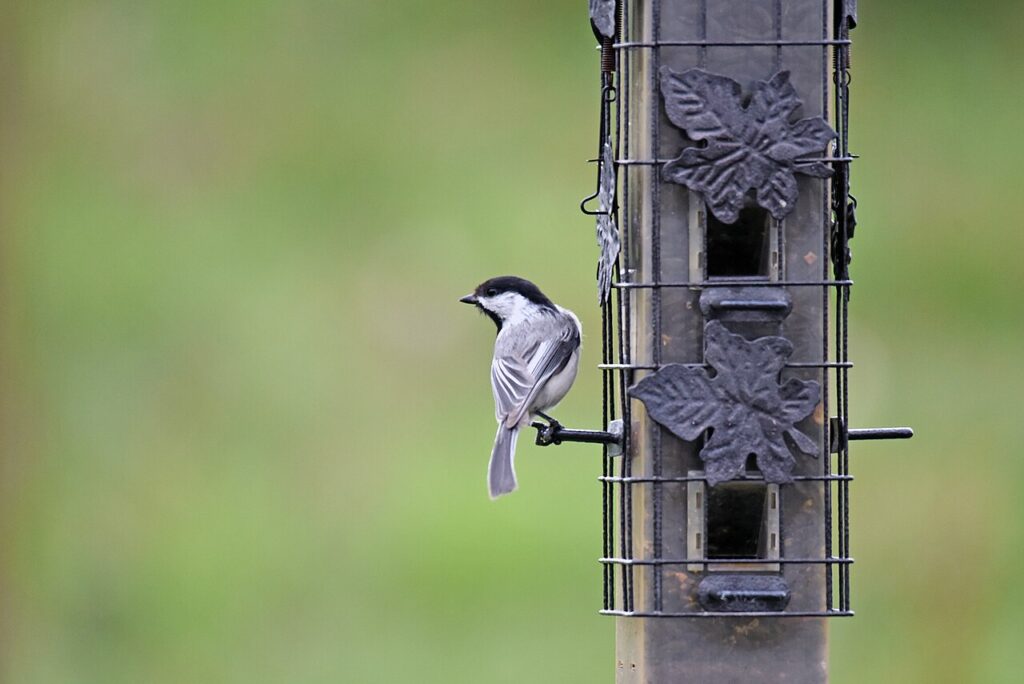
Good first ingredients: black oil sunflower, sunflower chips or hulled sunflower, safflower, nyjer, peanuts. These are what cardinals, chickadees, nuthatches, finches, titmice, jays and woodpeckers are at your feeder for.
Filler first ingredients: milo (also called sorghum), red millet, wheat, cracked corn in large amounts, oats, and the catch-all phrase “grain products.” Milo is the big one. It is cheap, it is heavy, and almost nothing east of the Rockies eats it. In most of the country a milo-heavy mix means the songbirds pick out the sunflower and the milo goes to the ground for house sparrows, cowbirds and mice. (Out West, doves, quail and towhees do eat milo, which is the one place it earns its spot.)
White proso millet is the exception. It looks like filler and it is cheap, but juncos, native sparrows, doves and towhees eat it readily, especially in a platform feeder or on the ground. A mix with sunflower first and white millet second is a reasonable mix. A mix with milo first is not.
The practical test: a cheap bag that is 40 percent filler can cost you more per pound of eaten seed than a bag twice the price that is 100 percent sunflower. Run that math once and the “expensive” bag usually wins.

The seed
1. Wagner’s Black Oil Sunflower Seed, 25 lb — the one bag that does everything
Wagner’s 76027 Black Oil Sunflower, 25-Pound Bag
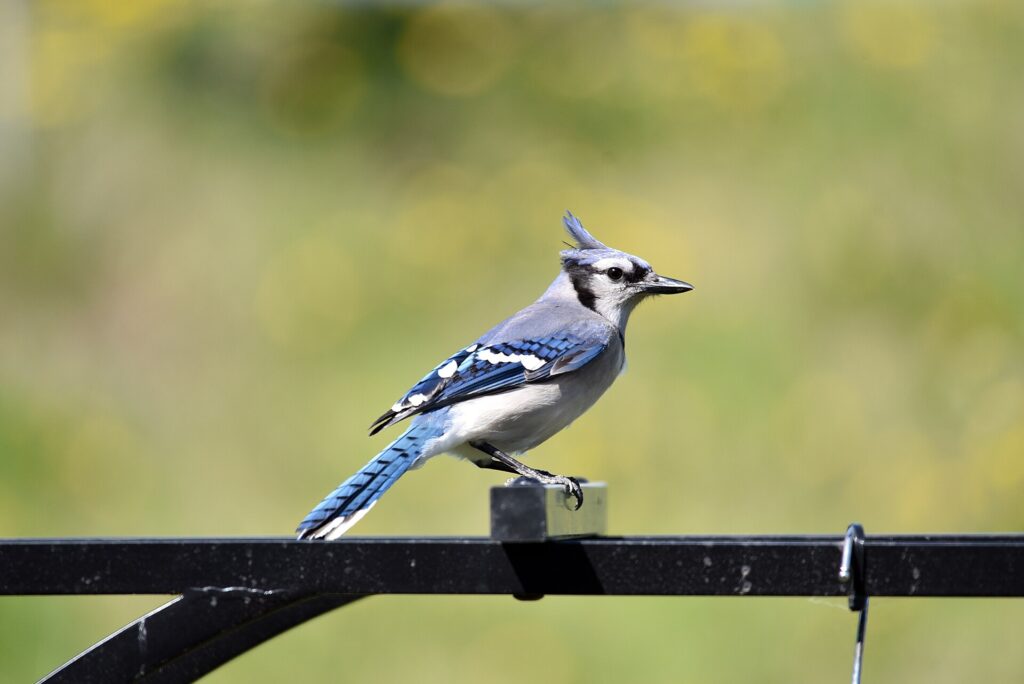
If you only ever buy one kind of seed, this is it. Black oil sunflower has a thin shell small birds can crack and a high fat content that carries birds through cold nights. Cardinals, chickadees, titmice, nuthatches, house finches, purple finches, grosbeaks, jays, and most woodpeckers all take it. The label reads “black oil sunflower seed” and nothing else, which is exactly what you want to see.
It works in a tube feeder, a hopper, or a tray. The one drawback is the shells: they pile up under the feeder and the hulls contain a compound that suppresses grass. Put the feeder over mulch or a bed, or move to the hulled version below. A 25-pound bag runs a two-feeder yard about a month in winter.
2. Kaytee No Mess Blend, 5 lb — no shells, no sprouting, no pile
Kaytee Wild Bird No Mess Food Seed Blend, 5 Pound
Label: hulled sunflower, cracked corn, white millet, shelled peanuts, canary grass seed. Everything in the bag is edible, so nothing accumulates under the feeder and nothing sprouts in the lawn. That makes it the right choice for a feeder on a deck, over a patio, or anywhere near the house.
You pay for the convenience: it costs more per pound than in-shell sunflower. But you are also not paying for shells, which are roughly 30 to 40 percent of a black oil bag by weight, so the true gap is smaller than it looks. Two cautions. Hulled seed spoils faster than seed in the shell, so buy a small bag rather than stocking up, and store it sealed and dry. And the cracked corn draws grackles and starlings; if those are a problem in your yard, the Kaytee Ultimate No Mess (below) drops the corn.
3. Lyric Supreme Mix, 20 lb — the best mixed seed for the price
Lyric Supreme Wild Bird Seed, 20 lb
Label: black oil sunflower, white proso millet, cracked corn, shelled peanuts, safflower, striped sunflower, pecans, pistachios, golden millet, canary seed, nyjer, sunflower kernels. No milo, no wheat, no “grain products.” Sunflower leads, and the nuts are real nuts rather than a dusting.
It is one of the least expensive bags here per pound, and it is a better mix than most bags costing more. It is what we recommend for a hopper or platform feeder where you want the widest range of species from one bag: the sunflower and nuts bring the cardinals, jays and woodpeckers, the millet brings juncos, doves and sparrows to the tray and the ground beneath it. The cracked corn is the only ingredient we would rather not see, for the same grackle reason as above; it is a small share of the bag.
4. Wagner’s Greatest Variety Blend, 16 lb — the premium mix
Wagner’s 62059 Greatest Variety Blend, 16-Pound Bag
Label: black oil sunflower, safflower, striped sunflower, white millet, sunflower chips, nyjer, peanut pieces, canary seed, cracked corn, red millet, tree nuts, raisins. Eleven of those twelve are things birds want; the red millet is the one we would leave out. Sunflower and safflower up top make it a cardinal and grosbeak bag first.
It costs more per pound than Lyric Supreme without a big step up in what shows up. Where it earns the difference is a yard with squirrels or grackles: the safflower share means less of the bag is worth their trouble, and it pairs well with a squirrel-proof feeder when you want to stop refilling every other day.
5. Wagner’s Safflower Seed, 5 lb — the cardinal seed squirrels ignore
Wagner’s 57075 Safflower Seed, 5 Pound
Safflower is a white, slightly bitter seed that cardinals, chickadees, titmice, house finches, doves and nuthatches eat, and that squirrels, grackles, starlings and most blackbirds leave alone. It is not a myth; it is the single most useful trick in the feeder-pest playbook, and it is why we put it at the top of the list in the grackle article.
Two things to know. First, birds that have been eating sunflower take a week or two to warm up to safflower, so switch one feeder rather than all of them and be patient. Second, it costs more per pound than sunflower, so it is a specialty seed rather than a bulk one. Fill one feeder with straight safflower and the cardinals will find it.
6. Wagner’s Nyjer Seed, 10 lb — for goldfinches, siskins and redpolls
Wagner’s 62050 Nyjer Seed, 10-Pound Bag
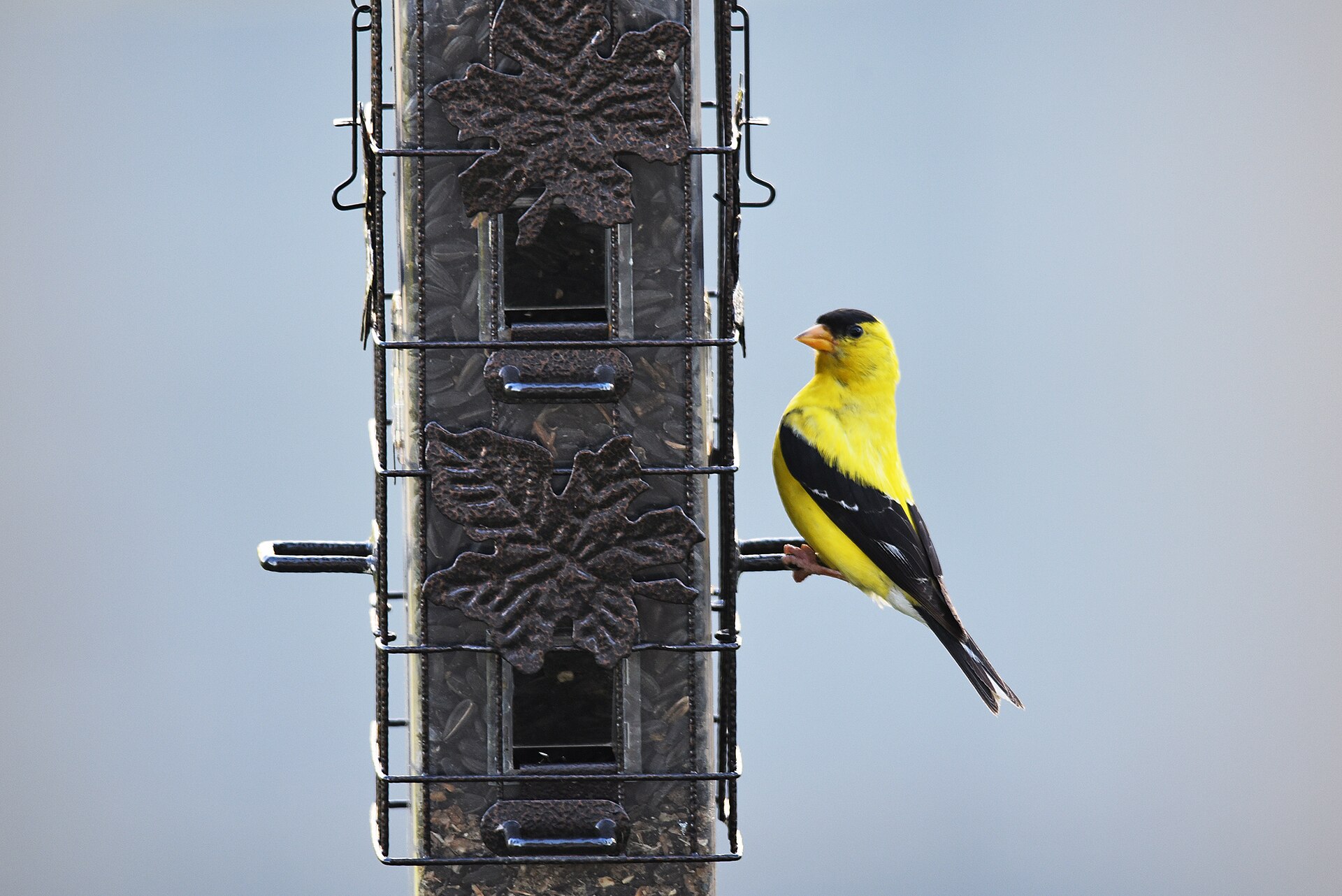
Nyjer (sold as “thistle,” though it is not one) is a tiny black oilseed that goldfinches, pine siskins, redpolls and house finches eat and almost nothing else bothers with. It needs its own feeder with small ports or a mesh sock, and this is the season to put one up: goldfinches drop their summer yellow in October and mob nyjer feeders in drab winter plumage from now through March. Our finch article covers the feeder side.
Nyjer is one of the most expensive seeds here per pound, and the one that goes bad fastest. It dries out and turns rancid in a couple of months, at which point the finches stop coming and you assume they left. Buy the 10-pound bag, not the 50, and if the feeder has sat full for three weeks with no visitors, dump it and refill with fresh.
7. Kaytee Ultra No Mess Nut & Fruit Blend, 5.5 lb — woodpeckers, jays and winter birds
Kaytee Wild Bird Ultra No Mess Nut & Fruit Blend, 5.5 Pound
Label starts with hulled sunflower, peanuts, mixed nuts, cracked corn, raisins, dried cranberries and cherries. It is a high-fat, high-calorie, shell-free blend built for the birds that eat suet: downy, hairy and red-bellied woodpeckers, jays, nuthatches, Carolina wrens and, in the North, the winter finches. Put it in a hopper or tray next to a suet feeder and the woodpeckers will work both.
Two honest notes. At its per-pound price it is a treat bag, not a fill-the-feeder bag. And the ingredient list runs long past the nuts and fruit into vitamins, colorants and a fortified pellet; birds eat around the pellet the same way they eat around milo. Buy it for the nuts and fruit, not for the fortification.
8. Wagner’s Dried Mealworms, 18 oz — bluebirds, wrens and robins
Wagner’s 58005 Mealworms Wild Bird Food, 18-Ounce Bag
Not a seed, but the thing that brings in the birds seed never will: bluebirds, Carolina wrens, robins, and in spring the warblers and orioles. Dried mealworms keep for a year in the bag, need no refrigeration, and go in a small dish or a bluebird feeder a few feet off the ground. Once bluebirds find them they come back daily.
Put out a small handful, not a cup; starlings will empty a big pile. In a freeze, soaking the worms in warm water for a few minutes before you set them out makes them easier for small birds to swallow.
The one to skip
Kaytee Wild Bird Basic Blend, 20 lb The first ingredient on the label is “grain products,” and sunflower is second. That phrase is the manufacturer’s way of not telling you it is mostly milo and millet. It looks like the bargain of the aisle, but if roughly half the bag ends up on the ground, you paid about double per pound for what got eaten, more than the straight sunflower, with a lawn full of sprouting milo as a bonus. The same reasoning applies to every store-brand “economy,” “value” or “wild bird” mix whose label leads with grain products, milo or wheat.
The one honest use for a cheap millet-heavy mix is a ground tray in winter for juncos, doves and native sparrows. If that is what you want, buy straight white millet instead; it does the same job with none of the milo.
Side by side
| Seed | First ingredient | Best for | Feeder |
|---|---|---|---|
| Wagner’s Black Oil Sunflower 25 lb | Black oil sunflower | Everything | Tube, hopper, tray |
| Kaytee No Mess 5 lb | Hulled sunflower | Decks, patios | Tube, hopper |
| Lyric Supreme 20 lb | Black oil sunflower | Widest variety, best value | Hopper, tray |
| Wagner’s Greatest Variety 16 lb | Black oil sunflower | Cardinals, squirrel yards | Hopper, tray |
| Wagner’s Safflower 5 lb | Safflower | Cardinals; beats squirrels, grackles | Tube, hopper |
| Wagner’s Nyjer 10 lb | Nyjer | Goldfinches, siskins | Finch tube or sock |
| Kaytee Ultra Nut & Fruit 5.5 lb | Hulled sunflower | Woodpeckers, jays | Hopper, tray |
| Wagner’s Mealworms 18 oz | Dried mealworms | Bluebirds, wrens | Dish, bluebird feeder |
| Kaytee Basic Blend 20 lb (skip) | “Grain products” | Ground birds only | Ground tray |
Which bags to buy for your yard
One feeder, keep it simple: black oil sunflower. Done.
Two feeders: black oil sunflower in a tube for the clingers, Lyric Supreme in a hopper or tray for everyone else.
Three feeders, the full winter setup: the two above plus a nyjer feeder for the goldfinches, with a suet cake on the side. That combination covers nearly every species in our winter birds by region guide.
Squirrels or grackles winning: swap the tube to safflower and give it two weeks.
Feeder over a deck or patio: Kaytee No Mess in every feeder, and buy small bags.
Whatever you buy, the seed is only as good as its storage. A 25-pound bag left open in a warm garage goes stale and draws moths and mice inside a month. A lidded metal can fixes both problems; our seed storage guide covers what to use. And when the seasons turn, the mix should turn with them; here is what to put out in each one.
If cardinals are your target bird, pair the seed with the right feeder: see the best bird feeders for cardinals. And for the cold months, what to feed birds in winter covers the high-fat foods that matter most.
Bottom line
Read the first ingredient. If it is sunflower, safflower, nyjer or peanuts, the bag is worth buying; if it is milo, wheat or “grain products,” it is not, whatever the price. For most yards that means a 25-pound bag of Wagner’s Black Oil Sunflower as the staple, a bag of Lyric Supreme for the tray, and nyjer or safflower added as your birds and your pests dictate.