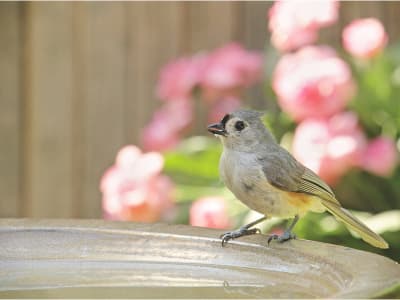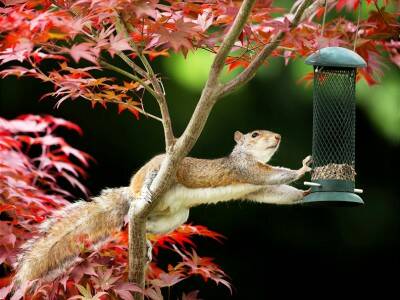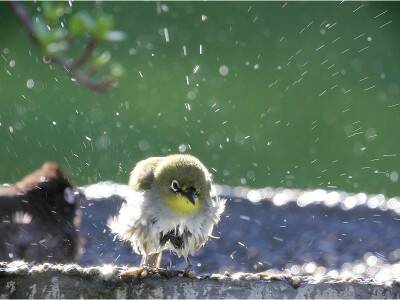

With winter setting in, most of us sit glued to our windows, watching the birds fly and listening to them chirp sweet melodies. This is an excellent way to enjoy time and improve quality of life, especially in the cold season when birds face difficulty looking for food. If you have arrived here because you want to learn more about winter bird feeding, then you will find all the information about feeding birds in this guide.
The Importance of Winter Bird Feeding
The cold season can be very unforgiving to the birds. As this period of the year continues, the insects and seeds they eat disappear as the temperatures drop and snow envelops the ground. Sightings of many animals winter in warmer regions, while others do not move and depend on supplementary feeding. Feeding these birds will assist them in developing enough energy to get through the cold season, which will benefit them.
Benefits of Feeding Birds in Winter
Supporting Wildlife: People should feed birds during winter because it boosts their numbers in that region. If you can assure them of a constant supply of food, you can be sure that even in the darkest of winter, they will be alive.
Education: Bird feeding can be a good learning subject for children and the rest of the population. It enables you to study bird actions, gain information, and even grasp their requirements.
Enhancing Your Environment: Birds add aesthetic value to your backyard and color. Their songs and the activities they encourage generate a happy environment, just fine for a dance when it is freezing.
Choosing the Right Feeders
Selecting a suitable feeder is crucial for attracting bird species and ensuring their safety. Here are some types of feeders to consider:
Platform Feeders: These are improved feeding dishes that enable many birds to feed simultaneously. Ground feeders birds especially, and it is highly recommended for attracting various bird species.
Tube Feeders: These vertical feeders are very suitable for small birds like finches and chickadees. They shelter seeds from factors that may harm them and can store different types of seeds.
Suet Feeders: Suet is rich in fat and, thus, a source of concentrated energy for birds during winter. Suet feeders are available in a range of models, either as mesh bags or cages.
Hummingbird Feeders: Those of you residing in areas where winter is a moderate issue should put up hummingbird feeders filled with sugar water. These feed birds, such as ruby-throated hummingbirds, may linger into the late fall but usually migrate in the early fall.
Placement of Feeders
It is crucial to decide where to place your feeders for feeding. Here are some tips:
Location: Feeders should be located closer to bushes or trees so that the birds have a place to sit and protect themselves from many predators. However, it is advisable not to do so near windows because the birds may crash into them at times.
Height: Smear feeders at various levels to target different kinds of birds. In this case, higher feeders are recommended for larger birds, while lower feeders are recommended for smaller birds.
Accessibility: Make sure feeders are well positioned to be filled, topped up, and cleaned once in a while. Cleanliness is compulsory to maintain the lives of those birds.
Choosing the Right Bird Food
Different birds have different dietary needs. Here’s a breakdown of common bird foods to consider for winter feeding:
| Seed Mixes: | High-quality seed mixes can attract different types of birds. Prefilled blends containing sunflower, millet, or safflower seeds are recommended because many species love them. |
| Nyjer Seed: | This tiny black seed is a favorite of finches and many other small birds. Nyger seeds require a unique tube feeder to prevent them from spilling all over the house. |
| Suet: | As pointed out earlier, suet is one of the best energy-giving foods during winter months. It can be purchased in cakes from stores or produced by combining animal fat with seeds and fruits. |
| Peanuts: | Shelled and unsalted peanuts in the shell are the favorite foods of woodpeckers, jays, and other avian creatures. The more you ensure they are given in an appropriate feeder in a way that would not create spillage. |
| Mealworms: | These protein-loaded foods are valuable for attracting bluebirds, wrens, and other insects during winter when insects are scarce. |
Avoiding Harmful Foods
While it’s essential to provide a variety of foods, some items should be avoided as they can be harmful to birds:
Bread: What may appear to be a harmless white substance has no nutritional value to birds and can trigger health problems among tamed birds.
Salted Foods: It is essential to refrain from feeding birds any food that contains a high amount of salt, as this is bad for them.
Chocolate: Chocolate is poisonous to many animals, including birds. Without any contact, ensure you keep it out of their reach.
Conclusion
Bird feeding, especially during the winter, is a very fulfilling undertaking. You can hence feed the local birds safe and healthy food and watch nature from your window. It is also important to select the right feeders. Food and its location should always follow security precautions. That means pick up your bird feeder, pack it with any yummy food you have, and get ready for that lovely season of winter birding.