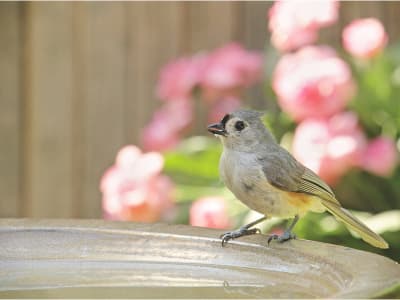
Feeding birds is enjoyable and provides one with time with nature. Offering local birds food specifically during difficult times assists them. Of course, feeding birds is not just as simple as placing some seeds in a feeder and watching them come—there are also some basic considerations to make to reduce the risks of diseases.
Problems of Stains If bird feeders are not cleaned regularly, they could become favorites of bacteria, mold, and parasites, which is very likely to make several birds sick and sometimes die. By following a few basic but significant measures, you should be able to encourage proper health in your feathered guests. Here’s how.
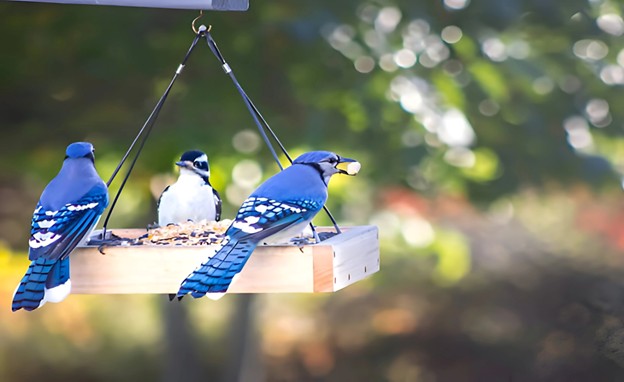
Why Bird Feeding Is Important When Using Bird Feeders
That is why there must always be healthy feeders to support healthy birds. This leads to salmonellosis, which thrives in dirty or poorly maintained feeders, trichomoniasis, and avian pox. These diseases may cause paralysis or death to the birds, and most of them are capable of crossing over to other animals in the ecosystem.
Step 1: Maintenance of Bird Feeders
Why Cleaning is Essential
A bird feeder left open contains leftover seeds that can support bacterial, fungi, and mold growth also, bird droppings as well and moisture. Cleaning the feeder often helps to reduce the spores of diseases and keep the feeder beautiful to the look of the birds.
How to Clean Your Bird Feeder
1. Empty the Feeder: Scrub off any remaining seed or debris in that area or part of the plant.
2. Soak in a Cleaning Solution: Make a 1:9 vinegar solution which means that you mix one-part white vinegar with nine parts water.
3. Scrub Thoroughly: It is always advisable to use a brush to wash them to clean any form of cavity.
4. Dry Before Refilling: It’s advantageous to allow the feeder to dry out altogether to steer clear of molding.
Frequency of Cleaning
- It recommends that feeder males be cleaned at least once, every two weeks.
- Daily against dust and soil, during wet/ humid conditions weekly wash them to avoid the buildup of mold.
- Contamination is easily spread by both birds and humans; this is why you should clean your feeders if you witness sick birds and clean them even more often and the outbreak subsists.
Step 2: Neat and clean the surrounding area of the pool.
Why It’s Important
Birds may bring seeds, husks, and even feces near your bird feeders and the ground will be a gathering place for the discards. This debris can breed rods, grow mold, or hold diseases.
How best to keep the feeding area clean
1. Rake Regularly: Sweep the debris around the feeder area at least once per week.
2. Use Seed Trays: Position seed trays below your feeder too to reduce spillage on the floor.
3. Choose the Right Spot: Hang your feeders on flat ground with easy-to-smooth floors such as paving blocks or grass rather than placing them on dirt or mulch.
4. Rotate Feeding Locations: On occasion, relocate your feeders to decrease the accumulation of droppings that can attract diseases.
Additional Tips
- This is why you might consider such options as shelled seeds or hulled sunflower seeds low in debris.
- Put an organic layer on the ground under feeders because it biodegrades seeds that have fallen on the ground.
Step 3: Offer Fresh and Safe Food
Why Food Quality Matters
The seeds as well as the foods you give to the squirrels may rot especially when they fall in a wet or humid environment. Lastly, food that has gone bad should also be avoided as it also repels birds but at the same time poses a big threat to the health of birds.
Some Additional Guidelines for Disease Avoidance
1. Keep an Eye on Sick Birds
Birds that appear to be ill or weak should be taken out of the feeders to avoid the likely spread of disease. If you notice that several birds are acting strangely, or have indications of an illness, try to get in touch with wildlife departments in your area.
2. Space Out Feeders
Cow density at feeders raises the chances of diseases spreading throughout the unit. Make them use many feeders that are well apart in the compound to reduce tension and contact with one another.
3. Provide Clean Water
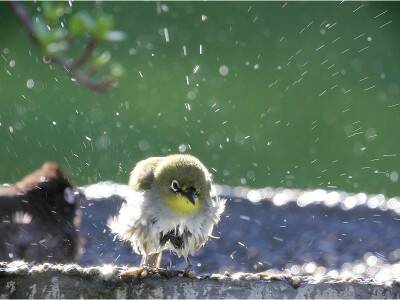
Birdbaths are perfect for any bird-friendly landscape, but they also require a certain amount of sanitation. Clean the pans and drinkers the same as you did for feeders and for mosquitos and bacteria breeding as well as contamination sake replace the water daily.
The Bigger Picture: Bird Care Beyond Seed Feeders
Bird feeders are a part of how you can help birds but other alternatives also help the health of birds. Consider these additional practices to make your yard a sanctuary for birds:
- Plant Native Vegetation: Offer tosses, fruits, berries, seeds, nectar, or any natural food.
- Avoid Pesticides: minimized or completely avoided on the premise of promoting a natural living environment for birds.
- Offer Shelter: I not only propose birdhouses, shrubs, or trees where the birds could find a good spot to rest or even breed.
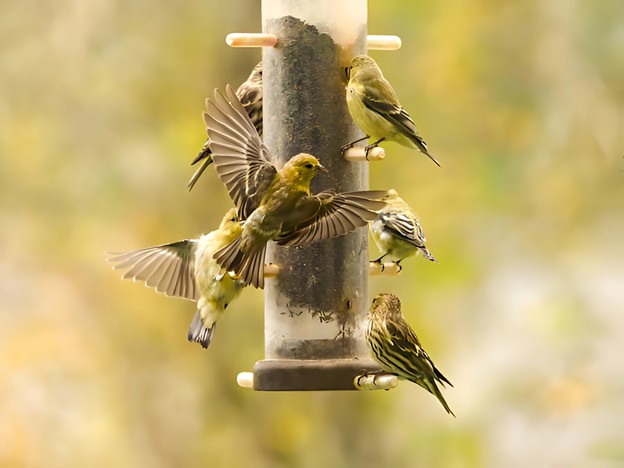
Here again, the following (FAQs) are presented:
1. When do I need to clean my bird feeders?
You ought to wash your bird feeders at least once every two weeks. In case of wet or humid climates and if some of the birds show signs of sickness, bathe them weekly or more often.
2. What fluid should be used in cleaning the bird feeders?
A ratio of white vinegar to water, 1:9, is effective and friendly to the environment. Another approach – is to wash them with a weak bleach solution (1:9 bleach to water).
3. Should I employ dish soap to wash my bird feeders?
Yes, mild dish soap shall be used in cleaning. However, it is important to wash the feeder well to remove the soap which is toxic to birds.
4. What symptoms should be looked at in birds?
So, be on the lookout for birds that can hardly move or fly, those whose feathers look a little puffed up, those birds with swollen eyes or eyes that seem to be secreting some sort of discharge, and those birds experiencing difficulty in balancing while perched,d and more. If you observe these signals, bring in your feeders for thorough cleaning, until the problem grants.
5. Is it safe to feed birds at any time of the year?
It is perfectly fine to feed birds throughout the year and it is safe in fact, during winter and other seasons of migration birds may not find the natural foods they need easily. The main thing is to remember to change feeding routines in response to certain seasons.
6. What should I do to keep squirrels and rodents from plundering the feeders?
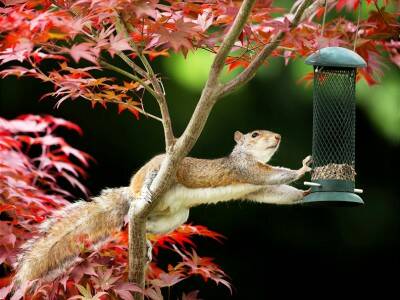
Clean up seeds and foods spilled outside regularly; feed squirrels using squirrel-proof feeders, baffles, and seed trays. Take time to clear the ground and possibly try using seeds that are unattractive to squirrels; the likes of safflower or Nyjer seeds.
Final Thoughts
The bird feeder is an enjoyable source of interaction with wildlife while offering food to the birds. This is particularly the case for bird feeders since you can keep them clean, use a nice and clean feeding area, and feed your birds with fresh and high-quality food.
As we know, little steps contribute to significant changes. Apart from promoting the health of the avian visitors, a clean bird feeder augments your pleasures of having nature right in your compound. Happy bird feeding!