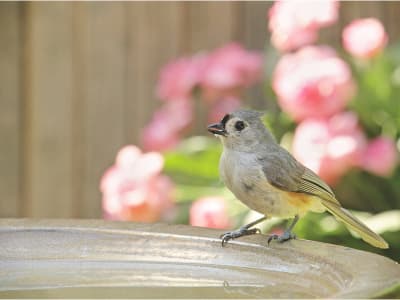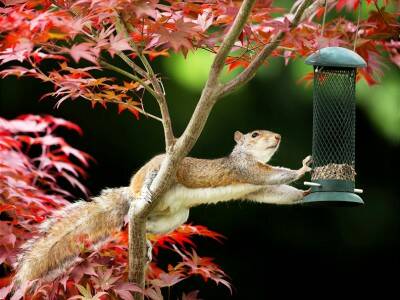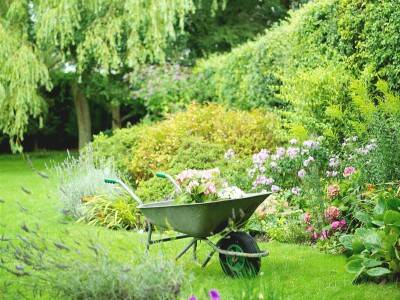

Maintaining trees in your yard is about the beauty of the houses or surroundings and the environment. That is why the President’s Working Group to Fix Price of Trees stated that birds or other small animals depend on trees for food, shelter, and nest sites. When practicing these approaches, you will thus be able to maintain your yard as a welcoming place for the trees and the birds. Living trees control other trees’ negative growth, bring happy, bright, and colorful birds, and beautify your yard. This guide provides advice on how to care for trees so that a yard can be a bird-friendly space and create a balance between wildlife and the home environment. If you care about trees and birds, you are helping your plants grow and practicing what it takes to protect the ecosystem and live sustainably.
Grow the Correct Trees
The first step in creating a bird-friendly environment in your yard is choosing the righttree species. Because they benefit local species and require less care, native trees are frequently the best option. Here are a few great choices:
- Oaks: Oaks provide food and shelter to many bird species and are a powerhouse for conservation.
- Birches and maples: These trees are great for drawing hummingbirds.
- Fruit-Bearing Trees: Birds may naturally eat fruit from trees like crab apples and serviceberries.
Because native trees are more adaptable to local pests and diseases, they will continue to be healthy and provide reliable support for the birds in your area.
Be careful when cropping
Although pruning is a necessary component of tree care, it may indirectly damage bird habitat if done carelessly. Follow these suggestions:
- Time it Correctly: Refrain from pruning from spring through early summer, when nesting occurs, to avoid harming active roosts.
- Inspect Before Cutting: Always check branches for nests before trimming.
- Leave Some Dead Wood: If no dangerous dead branches should be removed, leave some of them in place. Cavity-nesting birds use dead wood as houses and sitting areas.
Pruning your trees carefully protects their continued health without upsetting the birds that depend on them.
Stay away from harmful substances
Chemicals and sprays may negatively impact birds. Chemicals can poison birds if consumed, in addition to decreasing the number of insects that many birds eat. Choose these environmentally responsible options instead:
- Encourage Natural Predators: To eliminate pests, it is essential to use methods to attract ladybugs, spiders, and other nuisance insects.
- Use Organic Fertilizers: Organic fertilizers provide security for your trees and wildlife in your yard.
- Hand-Pull Weeds: Chemical herbicides are no longer necessary.
Birds and other species will live in a safer environment if you use less chemicals.
Provide a Water Source
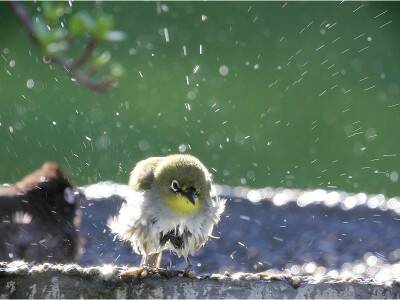
Clean water is necessary for birds to eat and swim. Even though trees don’t produce water independently, their environment is improved by having a birdbath or a small pool nearby. Remember these pointers:
- Safe and Shallow: The water should be between one and two inches deep, just the right depth for tiny birds.
- Frequent Cleaning: Weekly cleaning of water sources will stop mosquitoes and fungus from growing.
- Winter Access: Using a heated birdbath to prevent the water from freezing during the colder months.
A reliable water source near your trees will make your yard even more inviting to birds.
Create Layers of Vegetation
Birds can find a range of food, shelter, and nesting opportunities in a yard with various plant life, from tall trees to ground cover. Here’s how to set up your yard:
- Ground Level: Plant wildflowers and grasses that yield seeds and draw insects.
- Shrub Layer: Add bushes and berries, such as viburnum and elderberry, for further protection.
- Overhead: To keep your older trees’ protective overhead function untouched, keep them healthy.
Thanks to this multi-layered technique that replicates natural habitats, your yard will become a sanctuary for many bird species.
Set up nesting boxes
Not every bird uses trees to build its nest. Nesting boxes, which can complement your yard’s natural dental cavities, are preferred by some. To succeed, follow these rules:
- Species-Specific Boxes: Provide suitable nesting boxes by researching the requirements of local species.
- Safe Placement: Put boxes in places where animals and cats cannot get to them.
- Annual Cleaning: Remove old nesting materials at the end of each breeding season to prevent disease.
Nesting boxes are a simple yet impactful way to support local bird populations.
Pros and Cons of Keeping Your Yard’s Trees Healthy and Bird-Safe
| Pros | Cons |
| Enhances biodiversity by supporting bird life. | Requires regular maintenance and monitoring. |
| Improves tree health and longevity. | It can be time-consuming, especially for large yards. |
| Creates a peaceful and inviting outdoor space. | Initial costs for tools, nesting boxes, etc., may be high. |
| Reduces the need for chemical pesticides. | Avoiding chemicals may lead to slower pest control. |
| It helps control pests naturally by attracting birds. | Managing predators like cats can be challenging. |
| Provides opportunities for bird watching. | It needs careful planning to avoid disturbing nests. |
| Contributes to soil health with leaf litter. | Leaf litter might look untidy to some homeowners. |
| Supports local ecosystems with native trees. | Native trees may not always be available or affordable. |
Leave Leaf Litter Behind
Although raking every leaf in your yard may make it appear neat, it eliminates a vital component of the environment. Leaf litter offers:
Insulation: The fallen leaves enhance soil quality and shield tree roots.
Consider leaving some of your yard’s leaf litter undisturbed, especially under trees and shrubs.
Protect Yourself, Predators
Creating a bird-safe yard also means minimizing threats from predators. Here are a few tips:
- Manage Pets: Keep cats indoors or supervise them while outside.
- Strategic Feeder Placement: Place feeders and birdbaths away from dense shrubs where predators might hide.
- Use Predator Guards: Install baffles on tree trunks or poles to prevent climbing animals from reaching nests.
These precautions ensure birds can safely enjoy your yard.
Regularly check the health of the tree
Trees in good health are better able to sustain birds. Check your trees frequently for pests, diseases, or structural problems. Seek out:
- Discolored leaves could be a sign of sickness or nutrition deficits.
- Dead Branches: Get rid of these to avoid possible risks.
- Insect Infestations: Although certain insects suit your tree, too many can cause damage.
If you observe serious problems, get advice from a tree specialist. Proactive care of your trees will guarantee their continued success.
Enjoy the Relationship
Not only does keeping your yard safe for birds and healthy for trees benefit wildlife, but it also greatly benefits you. When you see birds in your yard, hear their songs, and know that you have created a safe refuge for them, it can make you very happy. Everyone’s environment will be better if you take care of your trees and accept birds.
Conclusion
Keeping your yard trees alive and protecting them as bird-friendly is an environmentally friendly activity. They plant the right species, keep them healthy, and provide a habitat for birds to live in without the danger of dying. Apart from ecological returns, all these and others that will be described promote a profound form of relationship with the physical environment and its cycles. Every little act – ranging from not raking up all the fallen leaves, ensuring that there is always a water source, to putting up a nest for birds – is part of a big picture in the conservation agenda. Sometimes, seeing a bird flying from a branch in your compound or even migrating during the day’s break may be humorous. Doing so today guarantees the preservation of the same into and for generations to come and creates out of your yard a living and breathing symphony of life that is the beauty of the creation.