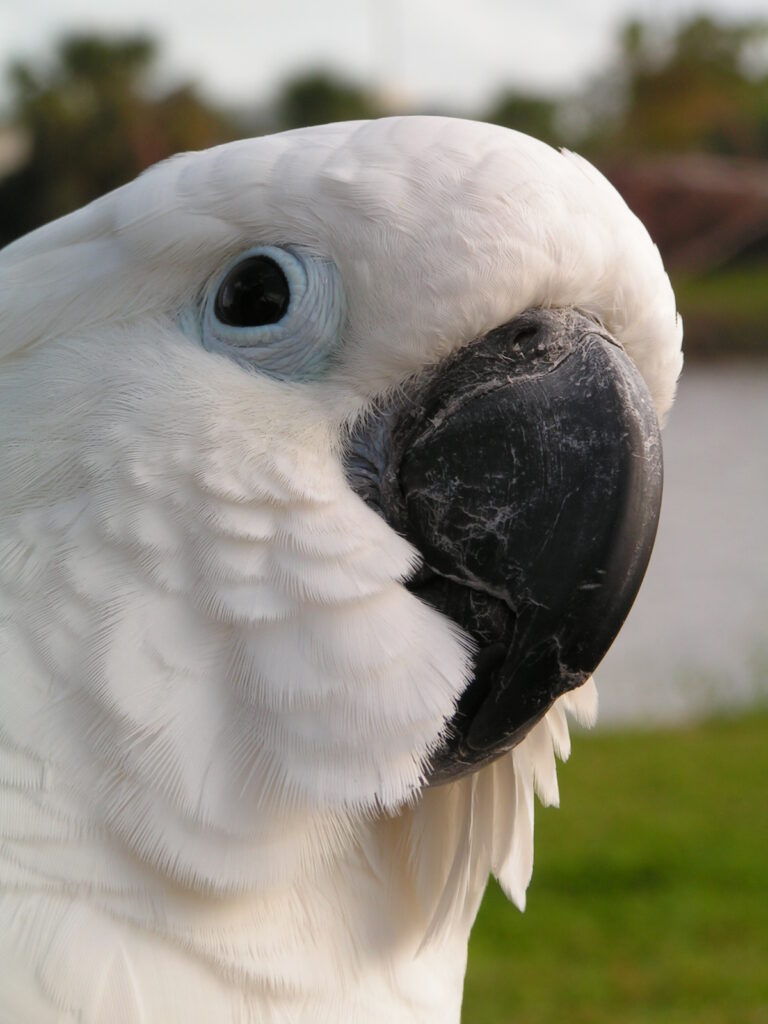
A cockatoo’s price depends on the species and on where it comes from. Published adoption fees at four bird rescues run from $200 to $800 for a cockatoo, and $50 to $100 for a cockatiel. Breeder and store prices vary widely by species, breeder and region. The bigger cost is time: VCA Animal Hospitals’ veterinarians give cockatoos a life span of 25 to 45 years, and longer for large species. Here is what drives the price, what a cockatoo costs to keep, and what to know first.
Which birds count as cockatoos
Cockatoos are parrots, and VCA describes them as “natives of mainland Australia and surrounding islands.” VCA’s veterinarians list them at 12 to 27 inches long and 10 to 30 ounces, depending on species. These are the ones you are most likely to see offered as pets:
| Bird | Scientific name | Longevity (World Parrot Trust) | CITES listing |
|---|---|---|---|
| Umbrella (white-crested) cockatoo | Cacatua alba | 40 to 60 years | Appendix II |
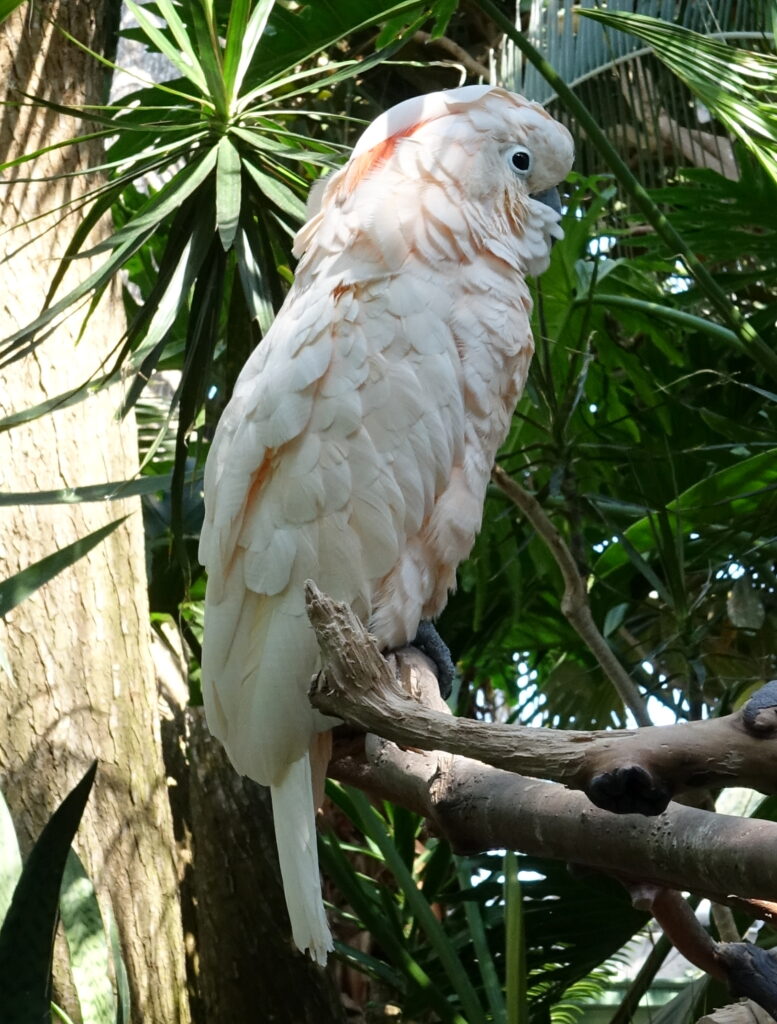
| Moluccan (salmon-crested) cockatoo | Cacatua moluccensis | 40 to 60 years | Appendix I |
| Sulphur-crested cockatoo | Cacatua galerita | 65 or more years | Appendix II |
| Goffin’s cockatoo (Tanimbar corella) | Cacatua goffiniana | 40+ years | Appendix I |
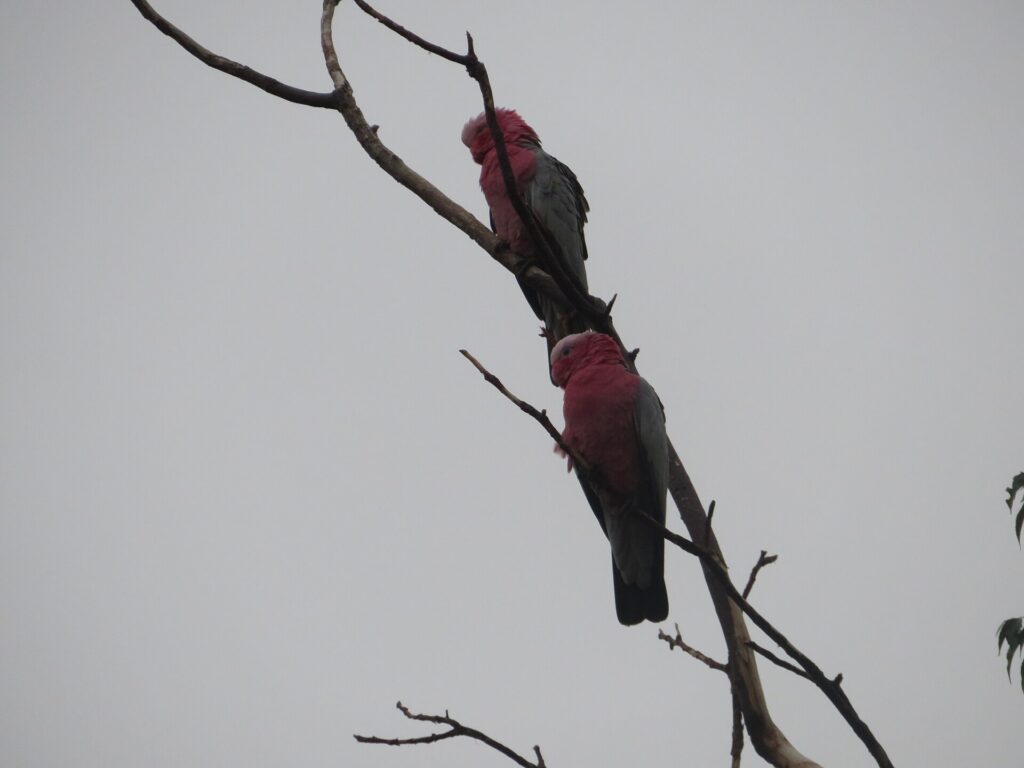
| Galah (rose-breasted cockatoo) | Eolophus roseicapilla | 25 to 40 years | Appendix II |
| Cockatiel | Nymphicus hollandicus | 20 years | Not listed |
The cockatiel belongs on this list. The World Parrot Trust files it with its cockatoo species, and it is classified in the cockatoo family, Cacatuidae. It is much cheaper to adopt than its big cousins, so keep it separate when you compare prices.
Size matters for personality too. VCA calls the galah “very sweet for the most part” and names the Goffin’s, lesser sulphur-crested and citron-crested as the smaller cockatoos. Lafeber calls the Goffin’s “the smallest of the white cockatoos,” at about 12 inches long.
What a cockatoo costs to buy
Lafeber notes that umbrella cockatoos are sold “from avian-only retail stores, from bird breeders” and are also available from rescues. Asking prices from breeders and stores vary widely by species, breeder and region. We could not find a reliable, current published price range, so we are not quoting one here.
Species is the clearest price driver you can check. Rescue fee lists show it plainly: two of the rescues below charge more for large cockatoos such as the Moluccan and umbrella than for small ones such as the Goffin’s.
If you buy, ask the seller for records showing the bird was bred in captivity. That matters for the legal reasons covered below.
Adoption fees at bird rescues
Rescues publish their fees, which makes them the clearest price evidence available. These are the fees each rescue listed on its website in October 2026. Fees change, so check with the rescue before you plan around them.
| Rescue | Cockatoo fee | Cockatiel or small parrot fee |
|---|---|---|
| Best Friends Animal Society | $200 (large parrot: macaw or cockatoo) | $100 (small parrot) |
| Phoenix Landing | $400 (cockatoos) | $50 |
| Florida Parrot Rescue | $500 small (such as Goffin’s), $650 large (such as Moluccan and umbrella) | $100 |
| Heart & Soul Parrot Rescue | $500 small (Goffin’s, sulphur-crested), $700 umbrella, $800 Moluccan | $100 |
Fees often come with extras. Florida Parrot Rescue says every bird it takes in is vetted, and that a bird’s own cage goes with it when there is one. Heart & Soul says its fee covers a vet exam and health records. Phoenix Landing says its fees “do not begin to cover our adoption program costs.”
Expect a screening process. Mickaboo Companion Bird Rescue, for example, asks adopters to take a free bird care class, apply online, do a phone screening and have a home visit.
Why rescues take in so many cockatoos
VCA’s veterinarians write that thousands of cockatoos are given up to bird rescues every year “because of their destructive or loud behavior,” which is why they are readily adoptable. Lafeber says Goffin’s cockatoos are “often given up for adoption due to behavior issues.”
Rescues also point to long lives. Phoenix Landing says “almost every bird will need a succession of good homes,” and that long-lived parrots like cockatoos can reach 50 to 80 years, depending on species. Mickaboo adds that many birds are surrendered because the first owner “was unaware of the needs and personality of the bird.”
That makes adoption worth a serious look before you buy. Lafeber notes that umbrella cockatoos are “available for adoption from avian rescue organizations.”
Lifespan: a commitment measured in decades
Sources agree that cockatoos live a long time, though their numbers differ:
- VCA Animal Hospitals: 25 to 45 years, with “upwards of 70-80 years” possible for larger species.
- LafeberVet: 30 to 45 years in general, and up to 70 years for the Moluccan.
- Lafeber: umbrella cockatoos “can live up to 70 years with proper care and attention.”
- Cockatiels: VCA gives 10 to 14 years, with a maximum of 24.
A long life multiplies every yearly cost. It also means planning for who will care for the bird if you no longer can. VCA puts it simply: “Owning a cockatoo can be like having a small child.”
Ongoing costs: cage, toys, food and vet care
Running costs depend on your area, your vet and the size of the bird, so we are not putting a yearly dollar figure on them. These are the categories to budget for, based on what vets and rescues recommend:
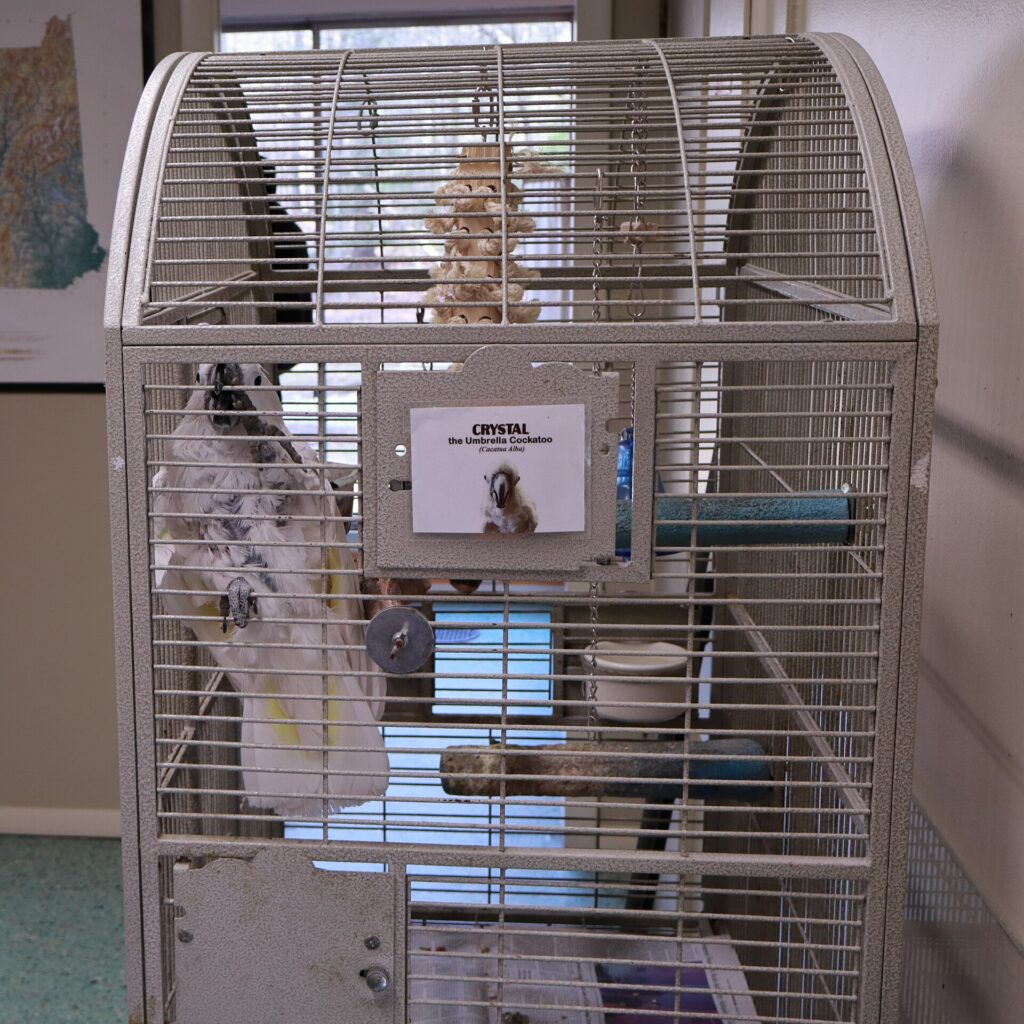
- Cage: Lafeber says an umbrella cockatoo needs “a large space to live in,” ideally an enormous cage with a top that opens into a play stand. LafeberVet gives cockatoo bar spacing of 0.5 to 0.75 inches. Florida Parrot Rescue values the cages it sends home at $50 to $500, depending on the cage.
- Toys: VCA says “Cockatoos need to chew,” so they need a continuous supply of non-toxic wood or cardboard toys. Lafeber says even the small Goffin’s needs “a steady supply of toys and appropriate items to chew and destroy.”
- Food: VCA’s feeding guide says pellets should be about 75% to 80% of the diet, with vegetables and fruit filling much of the rest. Seeds like sunflower and peanuts are high in fat, so keep them as small treats.
- Vet care: VCA says cockatoos “require annual, routine veterinary health check-ups,” which can include a physical exam, grooming, and blood and stool tests.
Phoenix Landing sums it up: its adoption fees “are nothing compared to the annual costs of avian healthcare, toys and enrichment, healthy food, physical space.” For a side-by-side look at another big parrot, see our guide to how much a macaw costs.
VCA also warns that “avocado and onions are potentially toxic and should never be offered to a bird,” along with chocolate, caffeine and alcohol. Ask an avian vet before offering any food you are unsure about.
Noise, attention and feather plucking
Cockatoos are loud. VCA describes “a loud, harsh, penetrating voice” and says these birds “are not recommended for noise-sensitive individuals.” Lafeber calls the umbrella cockatoo’s noise level “extremely high.” Even the Goffin’s, which Lafeber calls a quieter cockatoo, will screech for attention. If you share walls with neighbors, take this seriously.
They also need a lot of company. VCA says they “demand a lot of attention and a great deal of time outside their cages.” Lafeber says the best way to make an umbrella cockatoo unhappy “is to keep it in isolation.” Without enough attention, VCA notes, cockatoos may chew furniture, walls and other household items.
Feather problems are a known risk. LafeberVet says cockatoos “are at increased risk for feather destructive behavior and self-mutilation.” The Merck Veterinary Manual lists both medical causes, such as skin infection and malnutrition, and behavioral ones, such as stress, boredom and sexual frustration. Merck also notes that stroking a bird’s back can stimulate hormones, “especially in cockatoos,” and VCA advises petting only the head. If your bird starts plucking, call an avian vet to rule out a medical cause first.
If those needs sound like too much, a smaller parrot may suit you better. Our page on the different kinds of lovebirds covers one smaller option.
CITES and why paperwork matters
Many cockatoos are protected in international trade under CITES, the Convention on International Trade in Endangered Species. CITES says Appendix I covers “species threatened with extinction,” and trade in them “is permitted only in exceptional circumstances.” Appendix II covers species whose trade must be controlled to protect their survival.
According to the World Parrot Trust, the Moluccan and Goffin’s cockatoos are Appendix I. The umbrella, sulphur-crested and galah are Appendix II. The cockatiel is not listed. The Trust rates the Moluccan and umbrella cockatoos as Endangered in the wild, and names the wild bird trade and habitat loss as the main reasons for the Moluccan’s decline.
The US Fish & Wildlife Service says most exotic birds, “such as parrots, cockatoos and macaws but excepting budgerigars and cockatiels,” are protected under CITES and the US Wild Bird Conservation Act. The Service says that bringing a protected pet bird into or out of the US requires a permit. The safe path is a captive-bred bird with records, or a bird from a rescue.
Quick answers
How much is a cockatoo from a rescue? Published fees at Best Friends, Phoenix Landing, Florida Parrot Rescue and Heart & Soul Parrot Rescue range from $200 to $800, depending on the rescue and species.
How long do cockatoos live? VCA gives 25 to 45 years, with 70 to 80 possible for larger species. Plan for a bird that may outlive you.
Is a cockatiel a cockatoo? It is in the cockatoo family, and the World Parrot Trust groups it with cockatoos. It is shorter lived and much cheaper to adopt.
Are cockatoos good for apartments? Usually not. VCA says they are not recommended for noise-sensitive people, and they need a great deal of time outside the cage.
Sources: VCA Animal Hospitals, “Cockatoos: General Information,” “Cockatoos: Feeding” and “Cockatiels: General Information” (Gregory Rich, DVM; Laurie Hess, DVM; Rick Axelson, DVM); LafeberVet, “Basic Information Sheet: Cockatoo” (Christal Pollock, DVM); Lafeber, “Umbrella Cockatoo” and “Goffin’s Cockatoo” species pages; Merck Veterinary Manual, “Skin and Feather Disorders of Pet Birds”; World Parrot Trust Parrot Encyclopedia entries for the White-crested (umbrella), Salmon-crested (Moluccan), Sulphur-crested and Goffin’s (Tanimbar corella) cockatoos, the Galah and the Cockatiel; World Parrot Trust/Phoenix Landing, “Why Adoption Makes Sense”; CITES, “How CITES works”; US Fish & Wildlife Service, “Traveling Abroad with Your Pet Bird”; adoption fee pages of Best Friends Animal Society, Phoenix Landing, Florida Parrot Rescue and Heart & Soul Parrot Rescue; Mickaboo Companion Bird Rescue, “How To Adopt or Foster” and “Rescue Myths”; Wikipedia, “Cockatiel” (classification only).