To make a bird seed wreath, dissolve unflavored gelatin in hot water, stir in a little corn syrup and flour to firm up the binder, mix in birdseed, pack it into a bundt pan, and let it set for a day. Pop it out, thread a ribbon through the hole, and hang it on a branch in cool weather. The same mix pressed into cookie cutters makes small ornaments that kids can finish in an afternoon and give as gifts. Here are the exact amounts, the steps, and the safety rules that keep the birds healthy.
Bird seed wreath ingredients (bundt pan and cookie-cutter sizes)
Plain gelatin holds seed together in a small ornament, but a full-size wreath needs corn syrup and flour for extra structure. The wreath batch below is adapted from a Birds and Blooms magazine project; the ornament batch is the one shared by the Cornell Lab of Ornithology, National Audubon Society, and NC State Extension’s 4-H program.
Ingredients for one bundt-pan wreath (about 10 inches):
- 2 packets (about 2 tablespoons) unflavored gelatin
- 1 cup warm water
- 5 tablespoons light corn syrup
- ½ cup all-purpose flour
- ½ cup unsalted natural peanut butter (optional; leave it out for a nut-free classroom)
- 5 cups birdseed (black-oil sunflower mix works best)
- A handful of dried cranberries, cherries, or blueberries for decoration
- Nonstick cooking spray, a bundt pan, and 1 to 2 feet of wide ribbon or twine
Ingredients for about 8 to 12 cookie-cutter ornaments:
- 1 packet (1 tablespoon) unflavored gelatin
- 2 tablespoons cold water
- ⅓ cup boiling water
- 2 cups birdseed
- Optional: 1 tablespoon corn syrup for a firmer ornament (South Dakota State Extension uses 2 tablespoons with a double batch)
- Cookie cutters, a baking sheet lined with parchment or foil, drinking straws cut into 2-inch pieces, and twine or ribbon
How to make a bird seed wreath step by step
Plan on 20 minutes of hands-on time and a day of waiting. An adult handles the hot water; kids do the mixing, packing, and decorating.
- Coat the inside of the bundt pan with nonstick spray. Arrange dried fruit in the bottom grooves so it shows on the top of the finished wreath.
- Sprinkle the gelatin over the warm water in a large bowl and stir until it dissolves completely. If any grains remain, microwave the bowl for 20 seconds and stir again.
- Stir in the corn syrup, flour, and peanut butter (if using) until the mixture is smooth and looks like thin pancake batter.
- Add the birdseed and mix until every seed is coated. Let it sit 5 to 10 minutes so the gelatin thickens slightly and the seeds stop sliding around.
- Spoon the mixture into the pan and press down hard with the back of a spoon or your hands. Loose packing is the main reason wreaths crumble, so really lean on it.
- Let the wreath set for 24 hours. Room temperature works; the refrigerator is faster and safer in a warm kitchen.
- Flip the pan onto a plate and tap the bottom. If it sticks, run a butter knife around the edge and try again.
- Thread ribbon or twine through the center hole, tie a tight knot, and hang it outside.
For cookie-cutter ornaments: mix the gelatin with the cold water, wait one minute, add the boiling water, and stir until clear. Stir in the seed, set the cutters on the lined baking sheet, and pack them full. Push a straw piece through each shape at least half an inch from the edge. Refrigerate overnight, let them come to room temperature, then slide the cutters off and pull the straws out.
What seeds to use and what to leave out
Seed choice decides which birds show up. Black-oil sunflower is the single best pick. The Cornell Lab’s seed guide says it attracts “virtually all seed-eating birds,” and it is cheap enough to use as the base of the whole batch. Our bird seed guide breaks down the mixes in more detail.
| Seed or add-in | Birds it attracts | Notes |
|---|---|---|
| Black-oil sunflower | Chickadees, titmice, nuthatches, cardinals, finches, jays, woodpeckers | Best all-around choice; squirrels love it too |
| Safflower | Cardinals, grosbeaks, chickadees, doves | Most squirrels and starlings skip it |
| White proso millet | Juncos, native sparrows, doves, towhees | Small, so it packs tightly into ornaments |
| Cracked corn | Jays, doves, cardinals, quail | Use sparingly; spoils fast when wet |
| Shelled unsalted peanuts | Jays, chickadees, titmice, nuthatches, woodpeckers | Chop them so they bind into the mix |
| Dried cranberries or raisins (no added sulfites) | Bluebirds, robins, mockingbirds, catbirds | Decoration more than a main ingredient |
A few things do not belong in a wreath, no matter how festive they look:
- Bread, crackers, or cereal. They fill birds up without nutrition and mold quickly.
- Salted or seasoned nuts. Snack nuts made for people carry far too much sodium. Project FeederWatch says to use only unsalted, uncoated peanuts.
- Chocolate or candy. Chocolate contains theobromine and caffeine, both toxic to birds.
- Sweetened peanut butter. Pick a natural, unsalted peanut butter with the fewest additives. Some brands now use xylitol, a sugar substitute the FDA warns is dangerous to dogs, and there’s no reason to test it on birds.
When to hang a bird seed wreath and how long it lasts
This is a cool-weather craft, and that’s not just tradition. Gelatin softens above room temperature, so a wreath hung in a warm, humid yard sags, drops seed, and grows mold within days. Mold is the real danger: FeederWatch warns that some molds produce toxins that harm birds, and Cornell notes that corn and peanuts are the ingredients most likely to carry aflatoxins once they get wet. Hang wreaths from late fall through early spring, when days stay cold, and skip the project in Florida-style winters unless a cold snap is in the forecast.
Pick a spot with some shelter from rain, such as a branch under the canopy or a covered porch rail. Audubon recommends hanging holiday treats “three feet or less from a window,” close enough that a bird leaving the feeder can’t build up speed before it reaches the glass. A thin branch that won’t hold a squirrel’s weight helps, but be realistic: a determined squirrel will eventually get it.
Use ribbon or twine at least a quarter inch wide for hanging. Thin thread, fishing line, and yarn can wrap around a bird’s leg, and the Native Bird Care and Rescue center in Oregon specifically asks crafters to avoid them. Tie the loop tight against the branch so there’s no slack for a bird to get caught in.
How long does a bird seed wreath last? In dry, cold weather a wreath holds together for a couple of weeks, though the birds usually finish it sooner. A wet week shortens that to days. Check it whenever you fill your other feeders: fuzzy gray or green spots, a sour smell, or a soft texture means it goes in the trash, not the compost where ground birds can still reach it.
Rake up hulls and dropped seed under the wreath every week or two, since wet seed on the ground molds and draws rodents. Give your other feeders a scrub while you’re at it, following our guide to cleaning a bird feeder. Unhung wreaths keep in the refrigerator for a couple of weeks or the freezer for a few months, and dry seed belongs in a sealed bin; see our guide to storing bird feed.
Which birds visit bird seed wreaths?
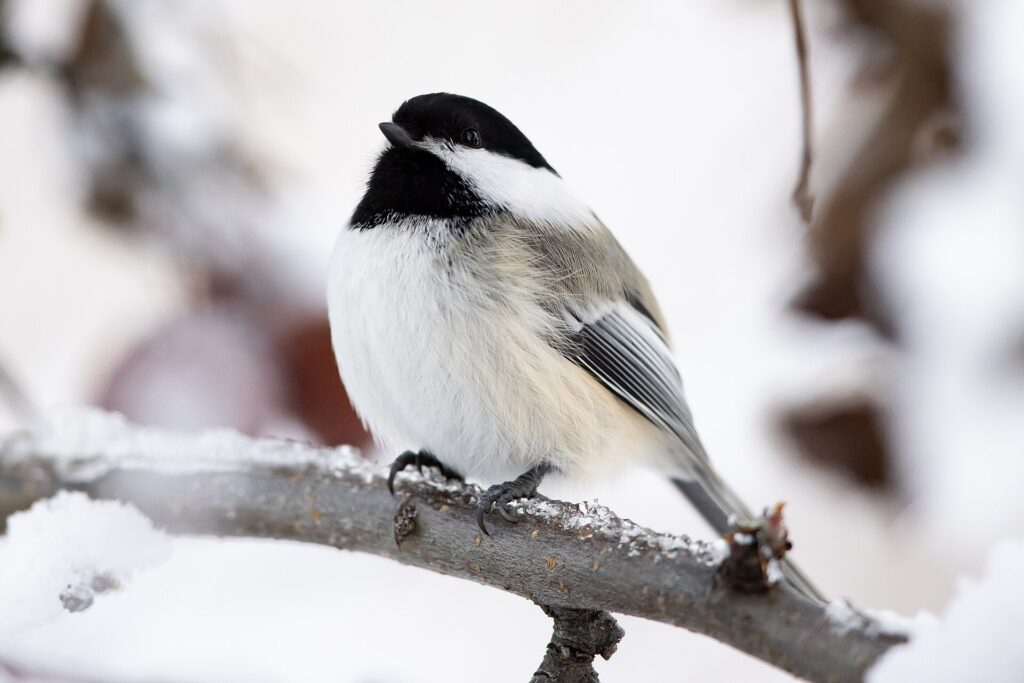
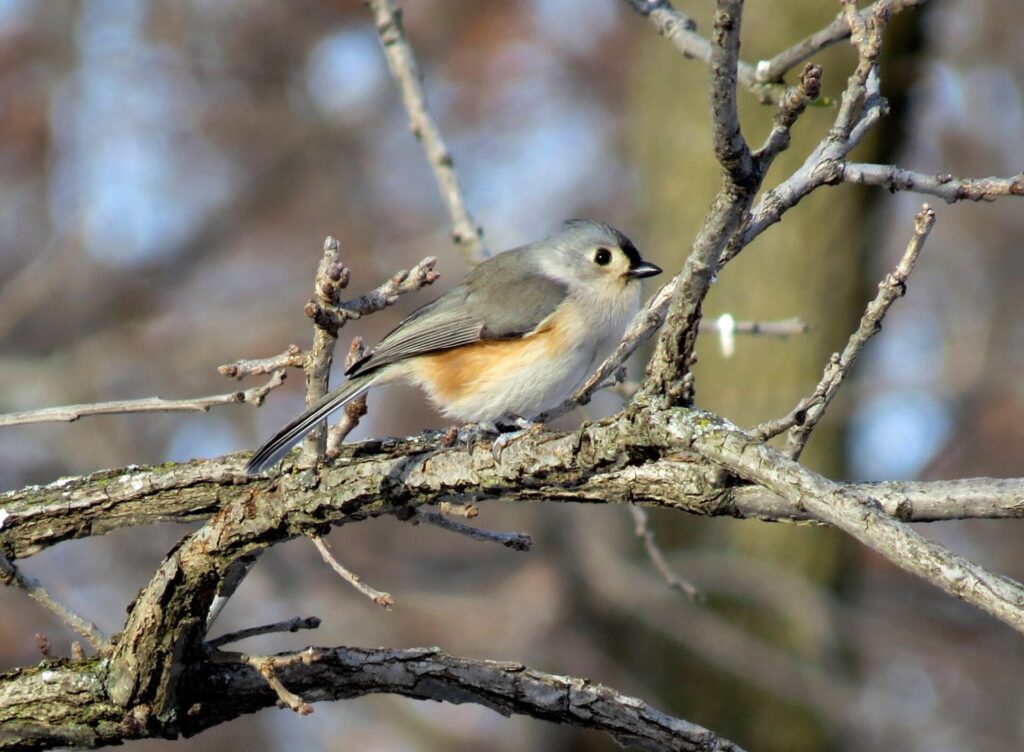
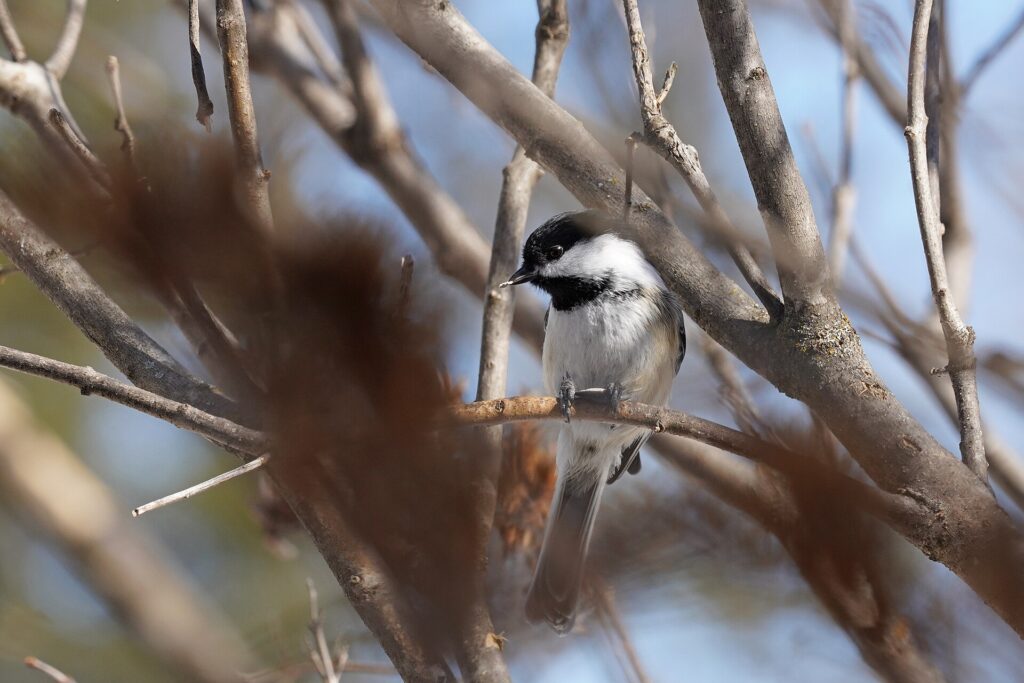
Chickadees and Tufted Titmice are usually first. Cornell’s species account notes that titmice “prefer sunflower seeds but will eat suet, peanuts, and other seeds,” and both chickadees and titmice carry seeds off one at a time to hide them, so a wreath disappears faster than the number of birds suggests.
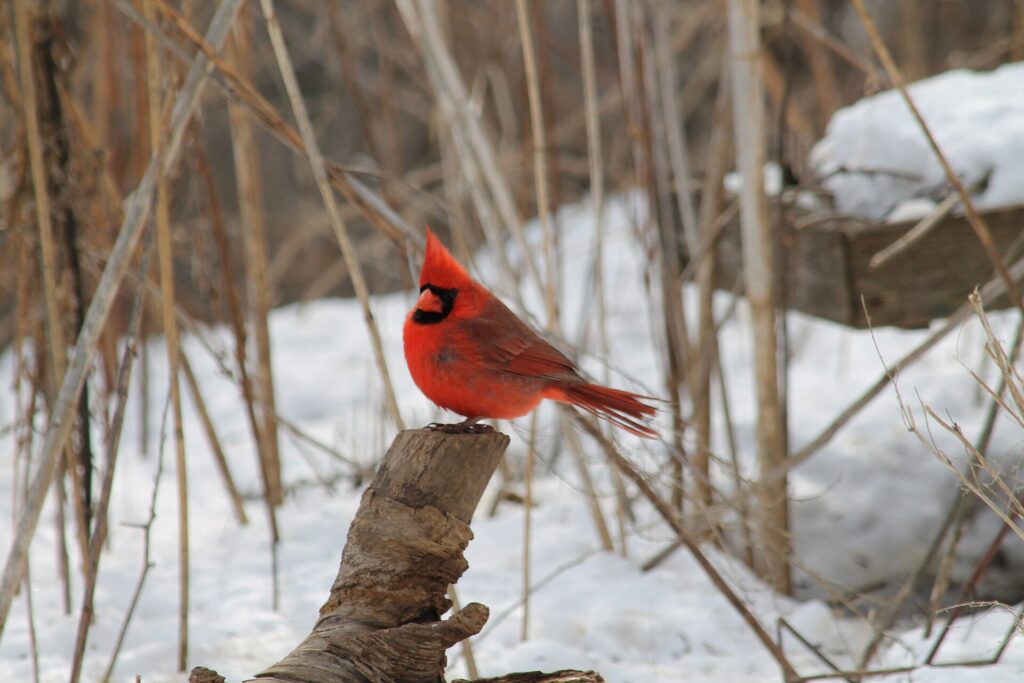
White-breasted Nuthatches cling upside down on the wreath’s edge, Northern Cardinals perch on top, and Blue Jays tear off chunks, especially if you added peanuts. Downy and Red-bellied Woodpeckers come for peanuts and sunflower. On the ground below, Dark-eyed Juncos and sparrows clean up whatever falls. Which species you get depends on where you live, so check our winter backyard birds by region guide to know who to look for.
Bird seed wreath variations for kids and gifts
The same mix works in plenty of other shapes:
- Pinecone feeders. Tie a loop of twine around the top of a clean pinecone, spread unsalted peanut butter into the scales, and roll it in seed. Cornell’s K-12 program suggests vegetable shortening for nut-free classrooms and warns that squirrels love this one, so hang it out of their reach.
- Orange-half cups. Scoop out half an orange, poke three holes around the rim, hang it with twine like a basket, and fill it with the wreath mixture or loose seed.
- Holiday shapes. Stars, hearts, trees, and gingerbread-man cutters all work. Pack a dozen in a paper box with a note that says “hang outside, not on the tree,” and you have a gift for teachers, neighbors, and grandparents.
- Mini wreaths. A muffin tin with a straw pushed through each cup makes palm-sized rounds for gift bags.
A child who hangs a wreath and then keeps a tally of who eats it is halfway to being a birder. Our tips on getting kids interested in birdwatching pick up where the craft leaves off.
Frequently asked questions
Is gelatin safe for birds?
Yes. The Cornell Lab, Audubon, and several state extension programs all publish gelatin-based recipes. The risk comes from spoilage, not the gelatin, so hang it cold and toss it when it turns.
Can I skip the corn syrup and flour?
For small ornaments, yes. Gelatin and water alone hold two cups of seed together. For a full bundt wreath the extra binder keeps it from cracking when you flip the pan. Some wildlife rehabilitators prefer gelatin-only recipes to keep sugar out of bird food entirely; if that’s your preference, make several small ornaments instead of one big wreath.
My wreath fell apart when I took it out of the pan. What went wrong?
Usually the gelatin wasn’t fully dissolved, the mix wasn’t packed hard enough, or it came out before it was fully set. Extension instructions also note that gelatin left to set too long before the seed goes in turns crumbly, so work while it’s still syrupy. Crumbled wreath still makes fine loose seed for a platform feeder.
Bottom line
A bird seed wreath is two packets of gelatin, a cup of water, a little corn syrup and flour, and five cups of black-oil sunflower mix pressed into a bundt pan overnight. Hang it with wide ribbon in cold weather, check it for mold, and take it down the moment it goes soft. Do that and chickadees, titmice, nuthatches, and cardinals will find it within a day or two, which is the best possible ending to a kids’ craft project.