Each yard has the potential to become a hummingbird sanctuary through the cultivation of specific flowers.
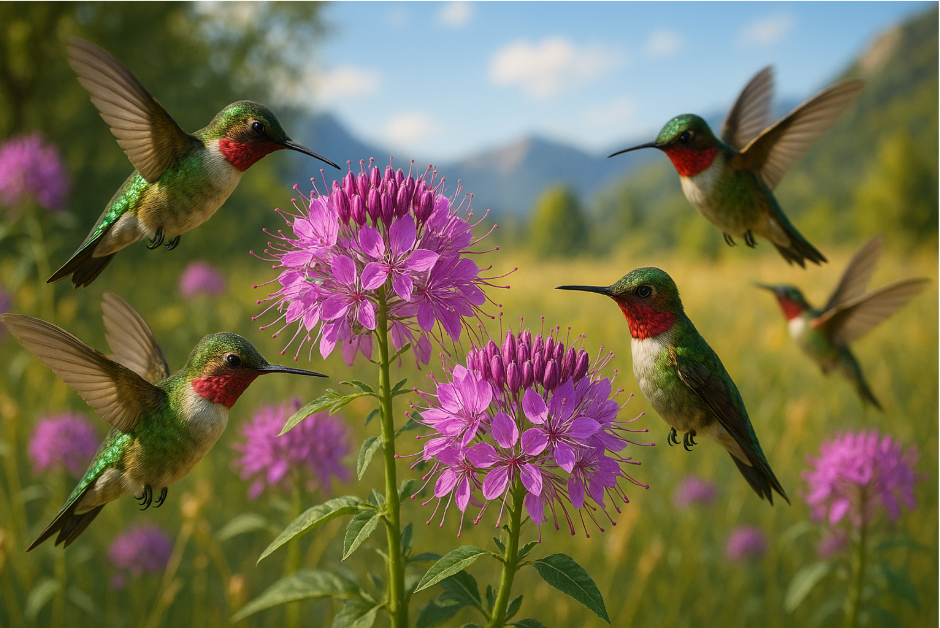
All hummingbird enthusiasts have a common desire to locate that exceptional wildflower that turns their garden into a bird observation haven. The Rocky Mountain Bee Plant remains surprisingly overlooked despite being an underrated wildflower that has escaped public recognition for an extended period. The colorful bloom stands out effortlessly to attract all hummingbirds visiting the area. And the best part? This small Plant produces efficiently and sustainably and harmonizes with additional bird-friendly items such as Shelled Sunflower Seeds. Due to its noteworthy advantages, the Plant should become your garden’s essential Plant.
What Is the Rocky Mountain Bee Plant?
A Flower With a Fan Club
The Rocky Mountain Bee Plant establishes itself as a native North American wildflower that mainly occupies the western and central regions of the United States. You should not underestimate this delicate Plant due to its small stature; it embodies powerful qualities.
The flowering plant succeeds in any disturbed area without requiring special growth conditions. Any area you find along the roadside ditch, open fields, and freshly turned backyard gardens invites Verbena seeds to plant. This adaptable Plant suits novice and veteran gardeners because it needs minimal care.
Why Hummingbirds Are Obsessed With It
Nectar That’s Bird Candy
Since birth, hummingbirds are genetically programmed to search for high-energy foods, especially nectar, which creates abundant sweet nectar that enables hummingbirds to move quickly. The distinctive flower design allows hummingbirds to obtain nectar without wasting time during pollination events.
Lively colors serve as visual signals that draw hummingbirds towards them.
Let’s not forget the aesthetics. Visual hunters and hummingbirds respond most strongly to pink, purple, and red hues. The clusters of beautiful flowers on the Plant draw human attention yet act as flying signals to hover above hummingbirds.
How to Grow the Rocky Mountain Bee Plant
Your Step-by-Step Guide to a Bird-Ready Garden
The growth of this flower does not require any natural green thumb ability. Follow this step-by-step guide to develop the Plant successfully.
Choose the Right Location
Select an area of your garden that receives complete sunshine. The Plant flourishes under hot conditions and demands between six and eight hours of unobstructed sun exposure daily.
Prepare the Soil
The Plant grows well with any soil type, but well-drained conditions will produce optimal results. Add relationships between compost and sand into heavy clay soils to solve drainage problems.
Plant the Seeds
Plants should be directly sown into the soil once the danger of frost has passed. Cover the soil lightly over the seeds before moistening them to promote germination, which happens within 1 to 2 weeks.
Water and Wait
The Plant becomes drought-tolerant in its mature phase, though it likes regular watering to establish itself. Avoid overwatering.
Pair With Shelled Sunflower Seeds
The combination of Rocky Mountain Bee Plants with Shelled Sunflower Seeds placed next to feeders will attract hummingbirds and finches to your garden. Watching your feathered friends experience a buffet scene is what you will achieve by planting these seeds.
Additional Benefits of the Rocky Mountain Bee Plant
It’s Not Just for Hummingbirds
Bees and Butterflies Approve
The Plant attracts pollinators at the same level as it attracts birds. The Plant produces abundant nectar, which provides continuous food for ecosystems throughout the summer months, thanks to its extended blooming period.
It’s Edible (Yes, Really!)
For centuries, Native American tribes have used the Plant to produce food and create medicines and dyes. Some precaution with research is necessary, but it is fascinating to learn that your garden could serve as a historical food storage facility.
It Self-Seeds Like a Pro
Everyone who starts this Plant from seed becomes established for life. The enthusiastic nature of this Plant causes it to perform effective self-seeding while remaining a perennial favorite. However, it is biologically classified as an annual plant.
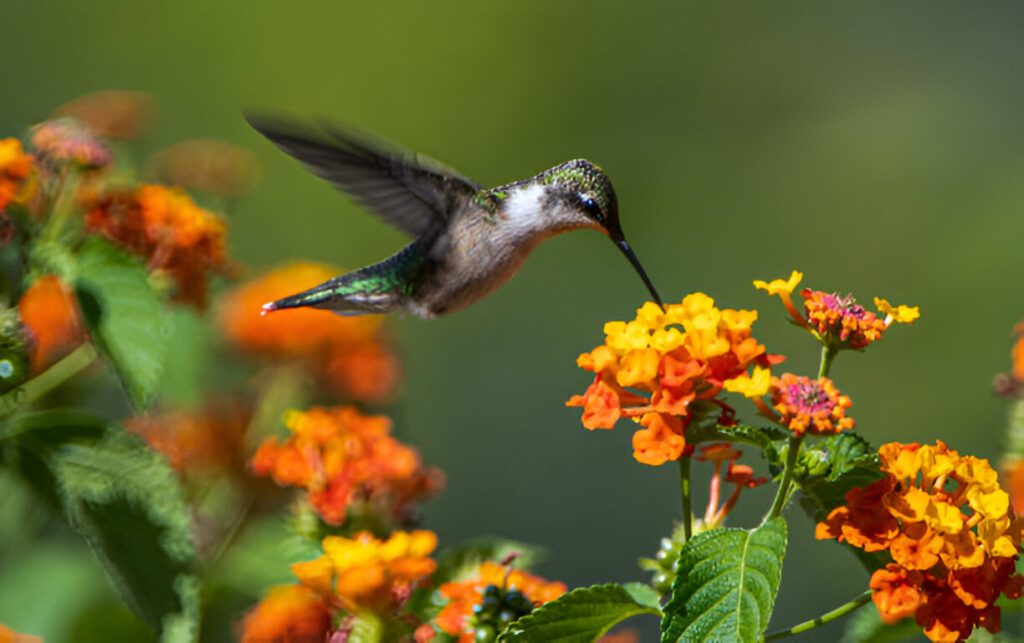
Designing the Ultimate Hummingbird Garden
It’s All About That Combo
Garnering numerous plants results in an exceptional garden, although plant diversity creates an even more remarkable landscape. Mix and match with:
- Trumpet vines
- Columbine
- Salvia
- Bee balm
- Lupine
A combination of a bird bath and Shelled Sunflower Seeds will sink your garden into a five-star hummingbird resort status.
Common Questions About the Rocky Mountain Bee Plant
FAQ Time
Will it take over my garden?
Not likely. The Plant has a seeding ability but fails to establish dominant colonies. The spring thinning of seedlings allows straightforward control over their propagation.
Is it safe for pets?
The Plant is non-harmful to humans, but pets should avoid uncatalogued plantings.
Can I grow it in containers?
Absolutely. Large containers need full sunlight and proper drainage to grow the Plant successfully.
Rocky Mountain Bee Plant at a Glance
| Feature | Details |
| Type | Annual wildflower |
| Height | 1–4 feet |
| Bloom Time | Mid-summer to early fall |
| Sunlight | Full sun |
| Water Needs | Low to moderate |
| Attracts | Hummingbirds, bees, butterflies |
Final Thoughts: Add It to Your Garden, Thank Us Later
The Plant is an essential wildflower for the attraction of backyard hummingbird habitats. The Plant delivers three ecological benefits despite needing low maintenance. This Plant is dazzling when partnered with a feeder containing Shelled Sunflower Seeds. Your garden can achieve top status as the best bird destination in your neighborhood. The gardening of Rocky Mountain Bee Plants will generate appreciation from hummingbirds.