Backyard Birds Around the World: The Global Favorites You Should Know About
There is a particular attraction to backyard birds around the world as they are flying beings that enhance our outside environments. Our gardens develop an exceptional bond with backyard birds as we sit on balconies to drink coffee or take in our surroundings. Goldfinches create vivid colours, while sparrow vocalizations allow identification easily, and these birds exist across the entire planet. Which birds are worldwide in nature, and what qualifies as a backyard staple?

This article examines the widespread backyard bird species across different continents, including recognized North American pets and unique foreign species. The discussion will delve into the intriguing life cycle of Finches and Goldfinches Breeding, which binds these attractive birds directly to worldwide gardens.
The Backyard Birds Around the World That You Can’t Miss
Home ecosystems influenced by local wildlife habits create the birds that visit residential gardens. The variety of European birds, together with Asian tropical species, continue to attract homeowners across the world.
North America: Sparrows, Cardinals, and Robins
Backyard birds that define North American settings consist primarily of the American Robin, the Northern Cardinal, and the House Sparrow. These species find suburban environments suitable for their new habitat because they frequently move between feeding stations and investigate tree branches while foraging on the ground.
The American Robin
During the spring season, the American Robin is a well-known species that can easily be found in bird feeders everywhere. The bird earns recognition from birdwatchers through a blend of its orange underbelly and melodious singing. Its presence frequently appears in home gardens and lawns. The American Robin survives on insect prey with earthworms and berries, making it an excellent added value for garden aficionados.
The Northern Cardinal
Male Northern Cardinals capture attention with their shining red feathers that readily distinguish the entire species. The birds commonly appear at bird feeding stations while establishing protective ownership of their territory. The North American backyard setting loves these birds because their bright colors create an attractive look in home landscapes.
Europe: Robins, Blue Tits, and Starlings
European Robins and Blue Tits, among various other backyard birds, operate as landscape decorations in European territories. The bird population succeeds in urban habitats and home and park settings, which produces attractive lookouts for property owners. The European Starling has become a regular backyard resident, although some deny its status as an intruder.
The European Robin
The European Robin resembles its North American relative in size and shares a similar color pattern between its pale orange breast and brownish-grey back. European birds usually perform garden tours as they explore for worms and insects throughout their habitat.
The Blue Tit
The Blue Tit displays colorful blue and yellow feathers, which people recognize in addition to its acrobatic eating habits of gulping insects and seeds. Urbanized since 1940, this species from the Paridae family has become a frequent garden visitor across Europe. Blue Tits display intelligent behavior along with their capacity to dwell in human-developed areas.
Australia: Magpies, Kookaburras, and Lorikeets
The birds that live in Australian backyards demonstrate equal singularities to the nation’s wildlife population. The Australian open sky welcomes regular sightings of Australian Magpies, Kookaburras, and Rainbow Lorikeets, making Australian outdoor public spaces more attractive.
The Australian Magpie
The Australian Magpie stands out from the European Magpie because it displays black-and-white coloring while producing beautiful songs. Most Australian magpies can be seen searching for food in backyards and parks because they claim full ownership of these areas.
The Kookaburra
Australian people choose the Kookaburra as their beloved bird mainly for its recognizable vocalization, laughing. The bird produces an unusual vocalization resembling laughter, which brings joy to Australian communities that inhabit gardens and forest areas.
The Fascinating World of Finches and Goldfinches Breeding
The commonly observed backyard birds include Finches and Goldfinches Breeding, particularly in locations where these species thrive. Species breeding processes in these creatures demonstrate complex intricacy and exciting biological sequences that illustrate their natural life cycles in our garden environments.
What Makes Finches and Goldfinches So Popular?
The American and European Goldfinch stand unique because of their yellow and gold plumage and beautiful singing abilities. Sunflower seeds represent their favorite food due to their regular presence at feeding stations with sunflowers.
Finches and Goldfinches Breeding Habits
People find the reproductive ways of Finches and Goldfinches truly fascinating to observe. Finches typically construct their nests in tree branches or shrubs while making the structure using plant materials, twigs, and grass bundles. Male finches show extraordinary courtship displays, which they perform to get female mates. The mating display of Goldfinches includes flying maneuvers through the air as they show courtship behavior.
The Role of Seed Feeders in Goldfinch Breeding
Your garden requires seed feeders and thistle or sunflower seeds to draw Goldfinches successfully during their breeding time. Goldfinches require these foods as their primary dietary sources during the breeding season to acquire sufficient breeding energy for their offspring care. Supplying numerous seeds strengthens the probability of domesticating these delightful birds in your garden.
The Migration Factor in Finches and Goldfinches Breeding
The breeding cycle of Finches and Goldfinches includes migratory populations, among other characteristics. Different finches, particularly the American Goldfinch, show seasonal migratory patterns by moving from cold territories to more favorable warm regions. Migration behavior shapes their reproductive cycles because they must find areas with ideal conditions to create offspring.

The Unique Birds of Southeast Asia
The geographic area of Southeast Asia contains numerous colorful exotic backyard bird species that stand among the global world of birds. Two tropical species, namely Asian Koel and Javan Mynah, give gardens in this area their distinctive tropical look by serving as major attractions for bird watchers.
The Asian Koel
A distinctive feature of the Asian Koel is its appearance through glossy black feathers and red eye colors. Male Asian Koels remain commonly visible in gardens alongside parks where their loud, distinct vocalization becomes easily detectable to humans. The birds undertake parasitic nesting practices through egg placement at other bird nests.
The Javan Mynah
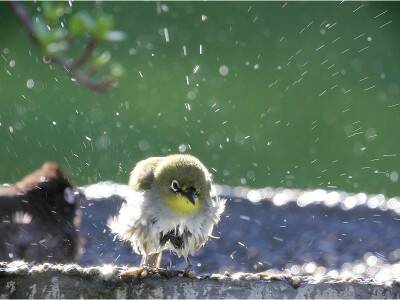
The Javan Mynah creates an impression through its face yellow coloration alongside white wing features visible from backyard views in Southeast Asia. This adaptable bird occupies urban habitats where it commonly forages for food and takes pools of water in home garden fountains.
Popular Backyard Birds Around the World
| Region | Common Backyard Birds | Notable Features | Related Topics |
| North America | American Robin, Northern Cardinal, House Sparrow | Bright plumage, melodic songs, garden-friendly | Backyard birds around the world |
| Europe | European Robin, Blue Tit, Starling | Adaptable to urban areas, colorful, insect-eating | Backyard birds around the world |
| Australia | Australian Magpie, Kookaburra, Rainbow Lorikeet | Loud calls, unique songs, vivid colors | Backyard birds around the world |
| Southeast Asia | Asian Koel, Javan Mynah | Tropical, highly vocal, urban dwellers | Backyard birds around the world |
| Global | Finches, Goldfinches | Small, social birds with brilliant color | Finches and Goldfinches Breeding |
| Breeding Habits | Goldfinch, Finch (various species) | Nesting, seed preference, seasonal migration | Finches and Goldfinches Breeding |
Bringing Backyard Birds Around the World to Your Garden
The correct preparations permit any location resident to invite birds worldwide into their garden. An awareness of species’ habits and preferences enables you to develop spaces that attract your loved bird friends more frequently.
Creating a Bird-Friendly Backyard
Allot several distinctive bird feeders filled with seeds that draw nearby birds. Plants that bear fruit and shrubs, combined with a bird bath that functions as a water supply, provide essential nourishment to birds. Your garden’s transformation into an alluring place for distant and nearby birds will follow these guidelines.
Final Thoughts: A Global Celebration of Backyard Birds
Backyard birds of different species live worldwide, starting with the American Robin in North America and the Australian Rainbow Lorikeets, prime examples. Anyone interested in observing birds during their annual Finches and Goldfinch breeding season or wanting to see their daily routines can always discover something new about backyard bird behavior. Whenever you observe birds in your garden, you become part of an international network that loves birds equally.