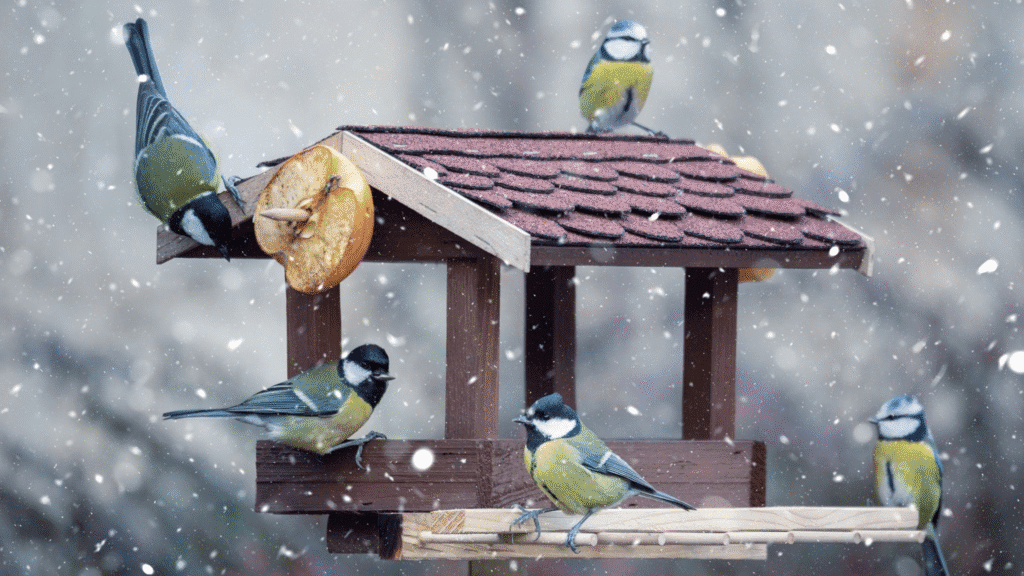
Winter Backyard Birds face dwindling food supplies and scarce shelter when the temperature drops and snow blankets the ground. Yet, an old apple tree with its stubborn, hanging fruit and gnarly branches can transform into a cozy café and roost for local songbirds. From cardinals pecking at crabapples to waxwings feasting on leftover windfalls, discover how to leverage this humble tree to sustain and delight Winter Backyard Birds in your patch.
Why Apple Trees Are Winter Bird Magnates
The Power of Persistent Fruit
Crabapple and other hardy apple varieties often retain their fruit well into winter, providing a vital energy source when insects and seeds are buried under snow. Cardinal, cedar waxwings, and American robins are especially drawn to these small, tart fruits used to fuel long foraging flights. Fieldfares and redwings descend upon fallen apples, turning your yard into a flurry of wings and song, Woodland Trust.
Shelter in the Branches
Even without leaves, the twisted limbs of an old apple tree offer protection from wind and predation. Birds such as chickadees and nuthatches will huddle in the crooks of larger branches, while woodpeckers may excavate shallow cavities in aging bark for roosting, Robert E Fuller.
Insect Residues and Bark Crevices
Did you already know many insects overwinter beneath unfastened bark? Peeling back the bark to check out your apple tree can also display overwintering aphids and other bugs, excessive protein snacks for hungry woodpeckers, and brown creepers.
Cultivating Your Winter Backyard Birds’ Haven
Selecting and Caring for Your Apple Tree
Choosing the Right Variety
Crabapple is champion for winter feeding due to its small, tart fruit that birds like waxwings and goldfinches adore. 4 Seasons Arborscapes.
Heirloom dessert apples may drop fruit sooner, but any late‐hanging cultivar is fair game.
Pruning for Bird Access
Thin, dense branches allow sunlight penetration and melting snow around fruit clusters.
Leave some deadwood or old stubs intact-these are prized perches for winter hunters like downy woodpeckers and chickadees. Backyards For Birds.
Avoiding Chemicals
Refrain from late‐season pesticide sprays; residual chemicals harm birds directly and deplete the insect food web. The Peterborough & Area Master Gardeners.
Supplementary Feeding Strategies
Seed and Suet Stations
Position seed feeders near the apple tree to offer black-oil sunflower and suet cakes. This attracts a wider variety of Winter Backyard Birds, from tufted titmice to redpolls, 4 Seasons Arborscapes.
Hydration Stations
Install heated bird baths or place shallow dishes of water near the trunk. Birds need liquid water for digestion, especially when fruit is frozen. Better Homes & Gardens.
Nesting Boxes and Roosting Shelters
Mount owl-topped roost boxes on the tree to provide a night-out refuge from subzero temperatures.
A Global Perspective: Backyard Birds Around the World
Winter Backyard Birds in Different Climates
North America: Cedar waxwings and American robins frequent crabapples in snow belt regions.
Europe: Fieldfares and redwings migrate from Scandinavia, feasting on leftover fruits in British backyards. Woodland Trust.
Asia: Varied tits and Japanese waxwings exploit windfalls in urban gardens, showing how adaptable bird communities thrive around apples Better Homes & Gardens.
Use this knowledge to expand your winter birding beyond local fauna-embrace the concept of Backyard Birds Around the World by comparing your visitor list to those overseas, Better Homes & Gardens.
Citizen Science and Global Engagement
Contribute observations to apps like eBird to map winter movements of Backyard Birds Around the World, helping researchers track climate impacts on species distribution, Better Homes & Gardens.Winter Backyard Birds
Common Winter Backyard Birds and How to Attract Them with Your Apple Tree
| Bird Species | Preferred Apple Tree Feature | Supplemental Attraction Tip |
| Northern Cardinal | Hanging fruit (crabapples) | Offer black-oil sunflower seeds in nearby feeders |
| Cedar Waxwing | Fermented windfall apples | Add water source nearby (heated bird bath if possible) |
| Downy Woodpecker | Insects in tree bark | Install a suet feeder and leave dead limbs for shelter |
| American Robin | Late-falling soft apples | Scatter sliced apples or softened fruit around the tree |
| Black-capped Chickadee | Dense inner branches for shelter | Hang roosting pockets or nest boxes within the tree |
| House Finch | Fruiting branches with cover | Provide nyjer and millet seed mix near the tree |
| White-breasted Nuthatch | Bark crevices for insect foraging | Leave bark intact and avoid chemical sprays |
Advanced Tips: Enhancing Your Old Apple Tree’s Appeal
Plant Companion Shrubs
Surround your apple tree with winterberry holly (Ilex verticillata) or viburnums to diversify fruit sources and attract more species, Better Homes & Gardens.
Fungal and Moss Growth
Allow natural lichen and moss to develop on branches; these microhabitats foster tiny invertebrates that birds love to forage.
Soundscaping and Listening
Install small speakers playing local bird calls to encourage curious birds to investigate, then delight in their live responses.

Q&A: Your Winter Backyard Bird Questions Answered
Q: Can a single apple tree make a difference for Winter Backyard Birds?
A: Even one old apple tree can be a seasonal food hub for various birds. When the food is limited, the hanging fruit provides considerable energy, and the leaves protect against winter winds. Birds such as Robin, Cardinals, and Waxwings are naturally prepared for these trees, especially if you provide feeders and a water source nearby. A tiny step has a significant influence.
Q: What if my apple tree no longer produces fruit? Can it still attract birds?
A: Yes! Even without fruit, your tree can be valuable. Old branches can harbor overwintering insects (a great protein source), and the tree’s structure still provides perching and roosting spots. Consider planting berry shrubs nearby and installing suet feeders to make the space more bird-friendly.
Q: How does this compare with how people attract Backyard Birds Around the World?
A: Great question! While apple bushes are particularly useful in temperate regions like North America and Europe, comparable strategies are used globally. For example, in Japan, persimmon timber is desired, whilst hawthorn and crabapple are commonplace in the UK. The key is fruiting trees and shrubs that retain edibles into winter, a universal magnet for birds across continents. It’s one of the many beautiful similarities in how we support Backyard Birds Around the World.
Conclusion
Once thought to be past its prime, this old apple tree can support a thriving population of Winter Backyard Birds. Your garden may become a bird’s heaven if you know about the ecological benefits of winter fruit, prune carefully, and provide water and feeders. Enjoy the excitement of seeing chickadees flutter in the evening, wood waxwings spin on apple-laden trees, and cardinals glow red against the snow. Your one tree also contributes to a worldwide bird conservation effort by joining Backyard Birds Around the World through citizen science. So this winter, let your ancient apple tree tell a fresh tale, one that is full of wings, chirps, and the simple delight of nature’s constancy.