To take care of a pet dove, keep a domestic species such as a ringneck or diamond dove, never a wild one. Give it a wide cage with room to fly, a seed or pellet diet, greens and fresh water. Add daily cleaning, a dove companion and avian vet checkups. The Association of Avian Veterinarians (AAV) puts the captive lifespan of common species at 10 to 15 years.
Which doves are kept as pets
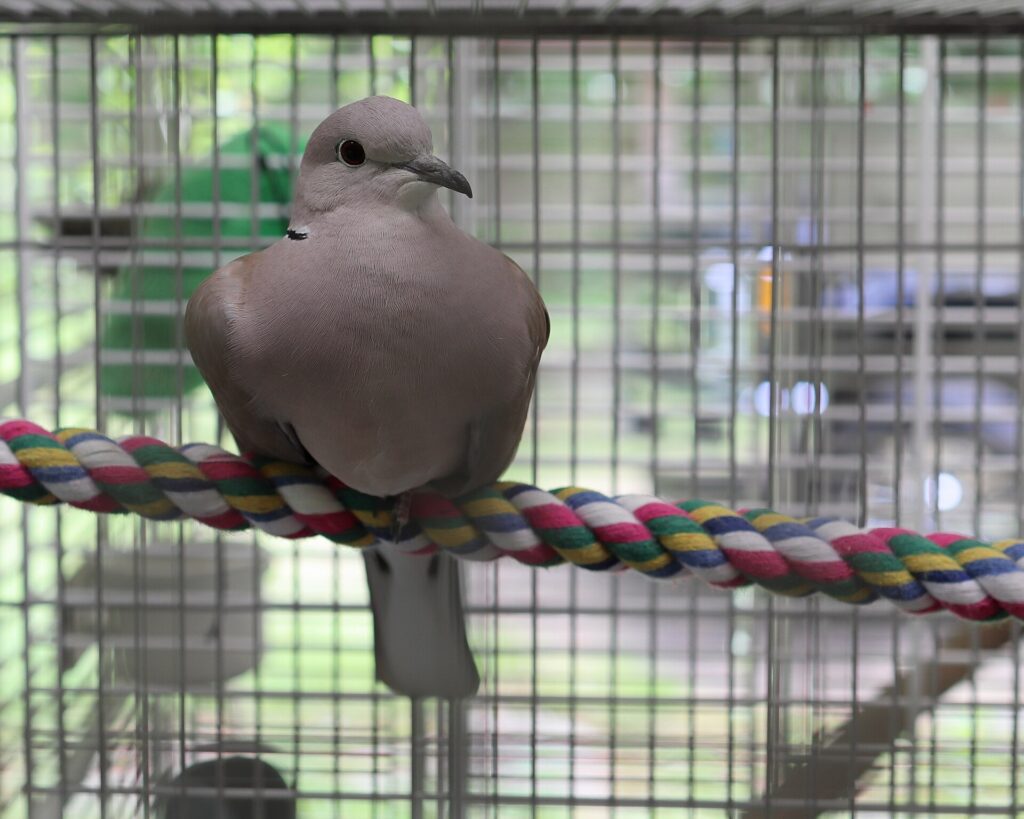
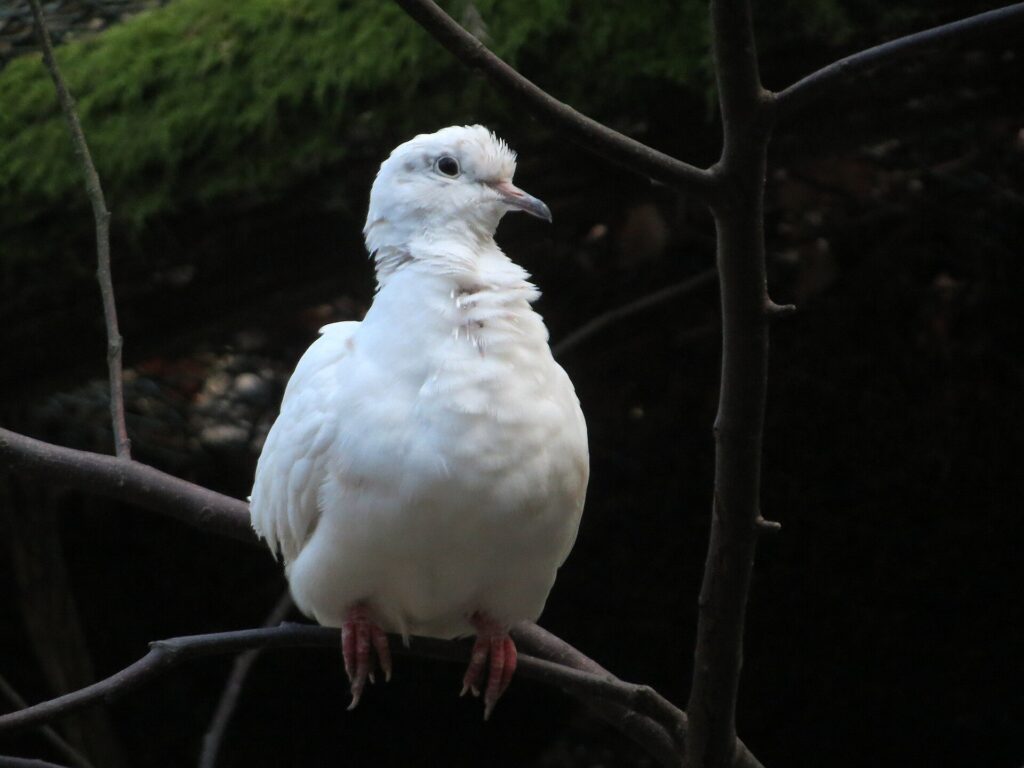
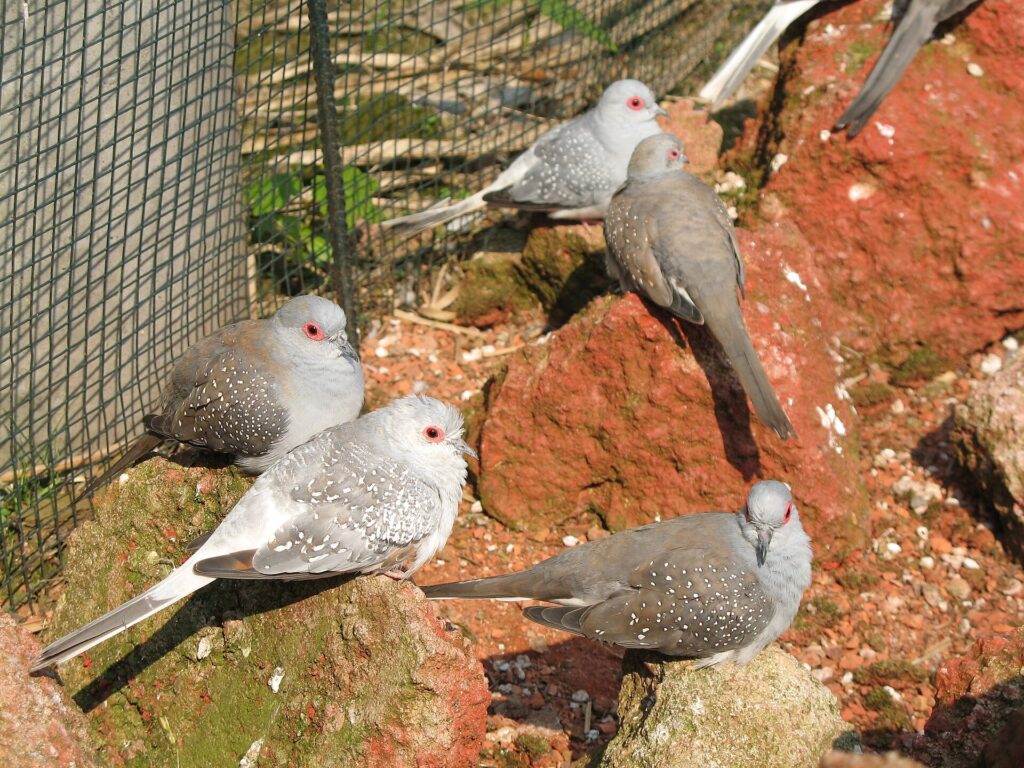
PetMD’s vet-written care sheet names two common pet species: the ringneck (ring-necked) dove and the diamond dove. The Animal Diversity Web lists “Barbary dove” as another name for the ringneck. It calls the bird “a domesticated form of Streptopelia roseogrisea,” the African collared-dove.
| Trait | Ringneck (Barbary) dove | Diamond dove |
|---|---|---|
| Origin | Domesticated form of an African dove | Dry deserts of northern and central Australia |
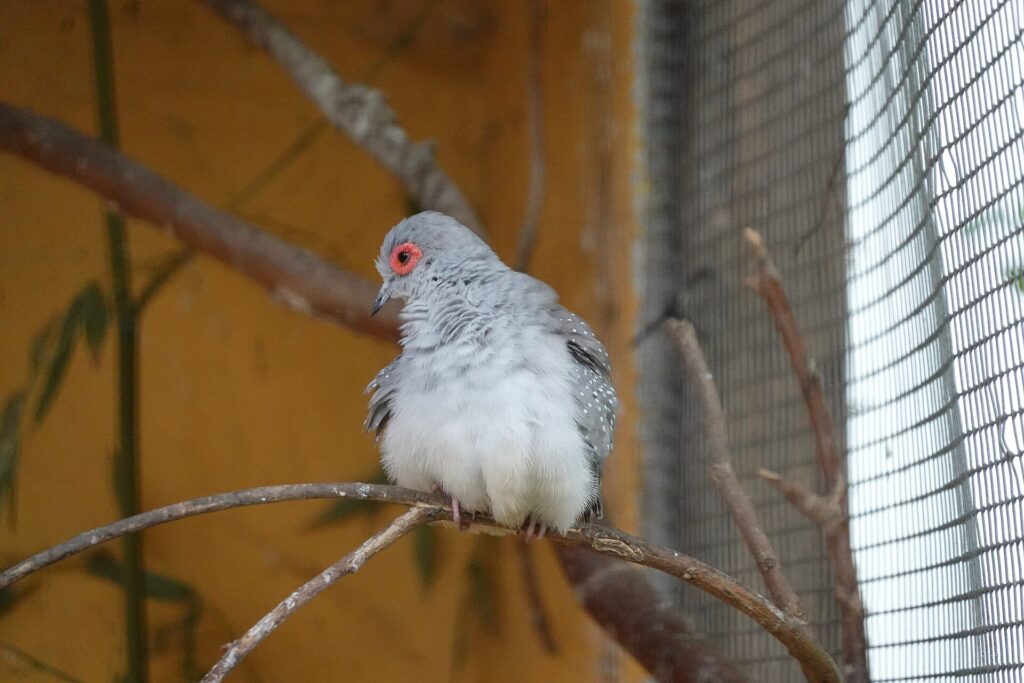
| Look | Soft fawn with a black ring around the neck | Bluish gray with white spots on the wings |
| Size | About 12 inches long (Lafeber) | Tiny and delicate, with a long tail |
| Lifespan with good care | More than 10 years (Lafeber) | Up to 10 years (Lafeber) |
| Handling | Can be hand-tamed | Gentle, but prefers other doves to people |
VCA says doves can be bought from reputable breeders and some pet stores. Rescues such as Palomacy also adopt out doves. Drawn to doves for their meaning? See our piece on what a white pigeon symbolizes.
Wild doves are protected, so never keep one
The doves in your yard are not pets. The US Fish and Wildlife Service (FWS) says the Migratory Bird Treaty Act prohibits capturing, selling or transporting protected species without its authorization. The federal list of protected birds, 50 CFR 10.13, includes the Mourning Dove. The Cornell Lab calls it “common across the continent.”
Some doves are not covered. In 2020, FWS listed nonnative birds to which the Act “does not apply.” That list includes the Eurasian Collared-Dove, Rock Pigeon, African Collared-Dove and Diamond Dove. Even so, VCA advises against keeping wild-caught pigeons. They “may harbor external and intestinal parasites, chlamydia, and/or several viruses.”
Found a hurt wild dove? Call a wildlife rehabilitation center. FWS notes these centers must hold “federal and state permits” to treat birds covered by the treaty. Palomacy, a pigeon and dove rescue, says a dove that looks weak, out of place, tame or domestic “probably” needs help. Not sure what you are looking at? Try our backyard bird ID chart by color.
Housing: cage size and flight space
Doves do not climb like parrots. Lafeber explains they move “by flying back and forth, which makes a wide cage an important feature.” Sources give these minimums:
- AAV: at least 3 feet wide by 2 feet tall by 2 feet deep for a single dove, with more room for more birds.
- Palomacy: 32 inches wide, 32 inches high and 21 inches deep for one or two doves.
- Outdoor aviary (Palomacy): about 6 feet long by 4 feet wide can house up to 10 ringneck doves.
The AAV adds that the largest enclosure you can afford and fit is best. Outdoors, it says the aviary should be sturdy and fully enclosed in half-inch hardware cloth to keep birds safe. A light or ceramic bulb can help in very cold weather.
Inside the cage, think flat. The AAV says doves “prefer flat shelves to branch-type perches.” Palomacy warns that “Pigeons and doves should never have to stand on a wire cage bottom.” Cover the floor with wood, linoleum, plastic or a cut yoga mat. Palomacy suggests a bright spot near the family, since doves see poorly in low light. It also recommends safe, daily out-of-cage time indoors so doves can exercise.
What to feed a pet dove
Vets agree on the basics but differ on the details, so ask your avian vet to tailor the menu. Here is what each source says.
- Seeds and pellets: The AAV recommends a seed and grain mix sized for the bird, supplemented with pigeon pellets or small parrot pellets. VCA prefers pellets at about half the diet, because seeds are “high in fat and nutrient-deficient.” The Merck Veterinary Manual notes most pigeons and doves accept small pellets made for parrots.
- Grit: Lafeber says “Doves, unlike parrots, need grit in their diet because they eat their seeds whole.” VCA disagrees, saying doves “seem to do fine without grit,” and suggests only a little digestible oyster shell. The AAV warns that too much grit can cause impaction, so offer it sparingly.
- Greens: VCA suggests finely chopped vegetables and greens, with smaller amounts of fruit. Palomacy offers greens 3 to 4 times a week, such as kale, broccoli, carrots and dandelion greens. Skip avocado, which VCA calls potentially toxic.
- Water: Fresh, clean water at all times. VCA says to wash dishes “every day with soap and water.”
- Never feed: chocolate, salty snacks, alcohol or anything with caffeine, per VCA.
How much? Palomacy suggests starting with 2 tablespoons per bird. Adjust until the morning serving is gone by evening.
Daily care and cleaning
A simple routine, drawn from the AAV, VCA, PetMD and Palomacy, keeps the cage healthy:
- Every day: Change the newspaper lining, which the AAV calls “a great substrate” for indoor cages. Wash food and water dishes, as VCA advises. Spot-clean the cage, as PetMD advises.
- Every week: Replace all bedding and liners, as PetMD recommends.
- Once or twice a week: Offer a shallow bath. The AAV says doves usually enjoy it and it keeps feathers healthy.
- Regularly: Weigh your dove on a gram scale. Palomacy notes weight changes can signal a health problem.
Palomacy also counts sunshine “unfiltered by glass” among the basics of dove health. Wondering how clean doves and pigeons really are? Read are pigeons dirty birds.
Signs of illness and when to call an avian vet
Birds are good at hiding sickness. The Merck Veterinary Manual explains: “In nature, birds hide their sickness so they don’t appear weak to other animals.” Its list of warning signs includes:
- Fluffed-up feathers and sleeping a lot with eyes closed
- Sitting low on a perch or on the cage floor
- Weakness or loss of balance
- Trouble breathing, wheezing or tail bobbing
- Changes in droppings, appetite or thirst
- Less cooing than usual, or regurgitation
VCA’s advice is blunt: “Any deviation from normal should be taken as a sign of ill health and you should contact your veterinarian immediately.” Do not wait to see if it passes. Call an avian vet.
Prevention matters too. VCA recommends a vet exam within the first 2 weeks of bringing a dove home, then regular checkups. It calls a yearly fecal exam “essential” for birds kept outdoors. Lafeber lists red mites, roundworms, tapeworms and canker as common dove problems. It also notes doves can pass Chlamydia and Salmonella to people, so ask your vet about safe handling.
Temperament, cooing and lifespan
Doves suit people who want a calm bird. Lafeber says “Doves are gentle birds, and will not bite or attack the way some parrot species will.” VCA’s veterinarians, writing about pigeons and doves, praise the pigeon’s “quiet nature, and a peaceful cooing voice.”
Quiet does not mean silent. Lafeber notes ringnecks are not loud, but their cooing “can be persistent.” Some people find it soothing; others find it annoying. Lafeber says diamond doves are not generally loud and can suit apartment dwellers.
Doves are not cuddly pets for every family. PetMD says they “do not make good pets for children who want to pet and hold their bird.” Plan for a long commitment as well. The AAV gives 10 to 15 years, and says some doves “occasionally” reach 20.
Pairs, eggs and breeding control
Doves are social. The AAV says they “do best with at least one friend, especially if housed outside.” Lafeber says diamond doves prefer the company of other doves to people.
Pairs breed easily, though. PetMD warns that if males and females live together, “expect the birds to mate and lay eggs.” Lafeber says ringnecks can breed by 12 months of age and lay two eggs per clutch. Dove eggs hatch in about 14 days, according to Palomacy. The rescue says there are already too many captive birds for the homes available.
The method rescues and the AAV describe is swapping real eggs for fake ones. Palomacy’s steps:
- Soon after both eggs are laid, swap them for warmed wooden dummy eggs.
- Let the pair sit. They usually give up in 14 to 21 days.
- Expect a new nest after a short break. Check often, because doves sometimes lay real eggs beside the fakes.
- Supplement calcium even if you are not breeding. Palomacy says it lowers the risk of a hen becoming egg bound.
Never solve a dove surplus by letting birds go. Palomacy explains that domestic doves have “no survival skills,” and predators such as hawks, crows and cats would kill them.
Quick answers
Can I keep a mourning dove as a pet? No. The mourning dove is on the federal list of birds protected by the Migratory Bird Treaty Act. If you find an injured one, call a licensed wildlife rehabilitator.
How long do pet doves live? The AAV says 10 to 15 years in captivity, and occasionally 20.
Do doves need grit? Sources disagree. Lafeber says yes; VCA says doves seem fine without it. Most agree any grit should be a small amount, so ask your avian vet.
Should I get one dove or two? The AAV says doves do best with at least one companion. With a male and female, plan on using fake eggs to prevent chicks.
Sources: Association of Avian Veterinarians, “Pigeon Husbandry”; VCA Animal Hospitals, “Pigeons and Doves: General,” “Feeding Pigeons and Doves” and “Recognizing the Signs of Illness in Pet Birds” (Gregory Rich, DVM; Laurie Hess, DVM; Rick Axelson, DVM); Merck Veterinary Manual, “Illness in Pet Birds” and “Nutrition in Pigeons and Doves”; Lafeber Co. Pet Birds, “Ring-Necked Dove” and “Diamond Dove” species profiles; PetMD, “Dove Care Sheet” (Maria Zayas, DVM); Palomacy Pigeon and Dove Adoptions, “How to Choose a Cage for Pigeons or Doves,” “Feeding Recommendations for Pigeons and Doves,” “Pigeon Family Values” (dove birth control), “Basic Preventative Care for Pigeons and Doves,” “What to Do If You Find a Pigeon or Dove,” “Call of the Doves” and “53 Pet Doves Need Help!”; US Fish and Wildlife Service, “Migratory Bird Treaty Act of 1918,” “List of Bird Species To Which the Migratory Bird Treaty Act Does Not Apply” (Federal Register notice, April 16, 2020) and “Federally permitted rehabilitation centers give injured migratory birds best hope of returning to skies”; eCFR, 50 CFR 10.13, “List of Migratory Birds”; Cornell Lab of Ornithology, All About Birds, “Mourning Dove”; Animal Diversity Web, “Streptopelia risoria.”