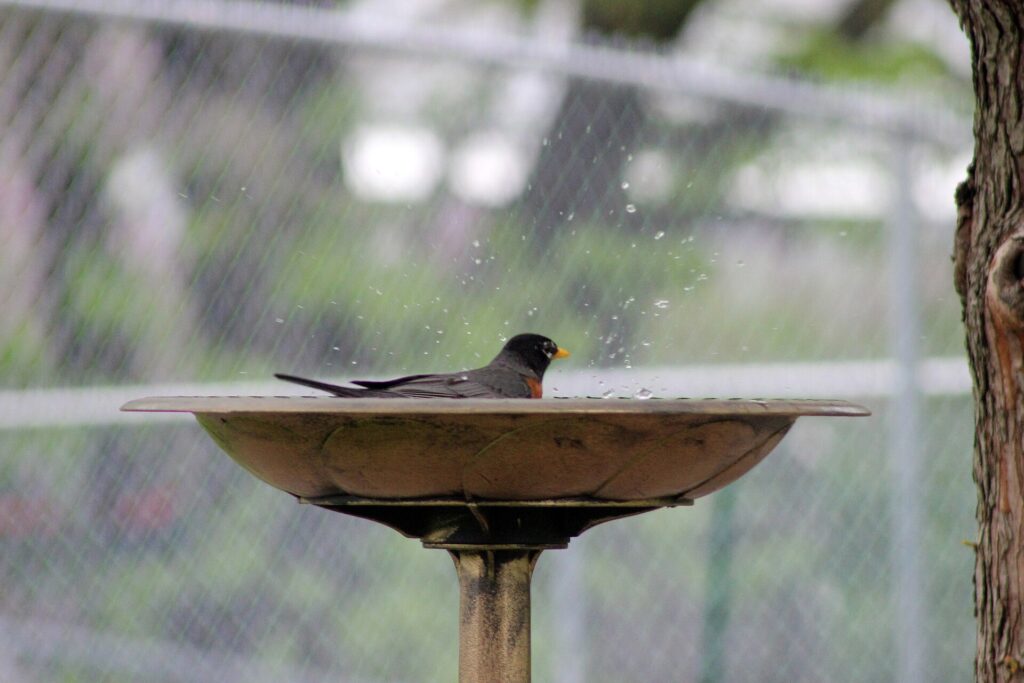
The surest way to keep a bird bath from freezing is to put a small thermostatic heater, called a de-icer, in the bowl and plug it into a GFCI outdoor outlet, or to replace the bath with one that has a heater built in. With no outlet, swap in fresh water every morning: set out a shallow plastic bowl or plant saucer, and bring it in when it ices over. Sun, a dark-colored basin and a full bowl all slow freezing down, but in a hard freeze they only buy you hours. And never add antifreeze, glycerin or salt to the water. Below is how each method works, which one fits your yard, and what to skip.
The short version
- Have an outlet? A de-icer in the bath you already own is the simplest year-after-year fix. A heated bird bath does the same job with the heater sealed into the bowl.
- No outlet? Swap a frozen bowl for a fresh one each morning, or pour in warm water and open a hole in the ice.
- Slow it down for free: move the bath into full sun, darken the bottom, and keep it full.
- Never add: antifreeze, glycerin or salt.
- Don’t panic if it freezes: Cornell Lab says an ice-free bath in winter “is not critical.” It’s a big draw, not a lifeline.
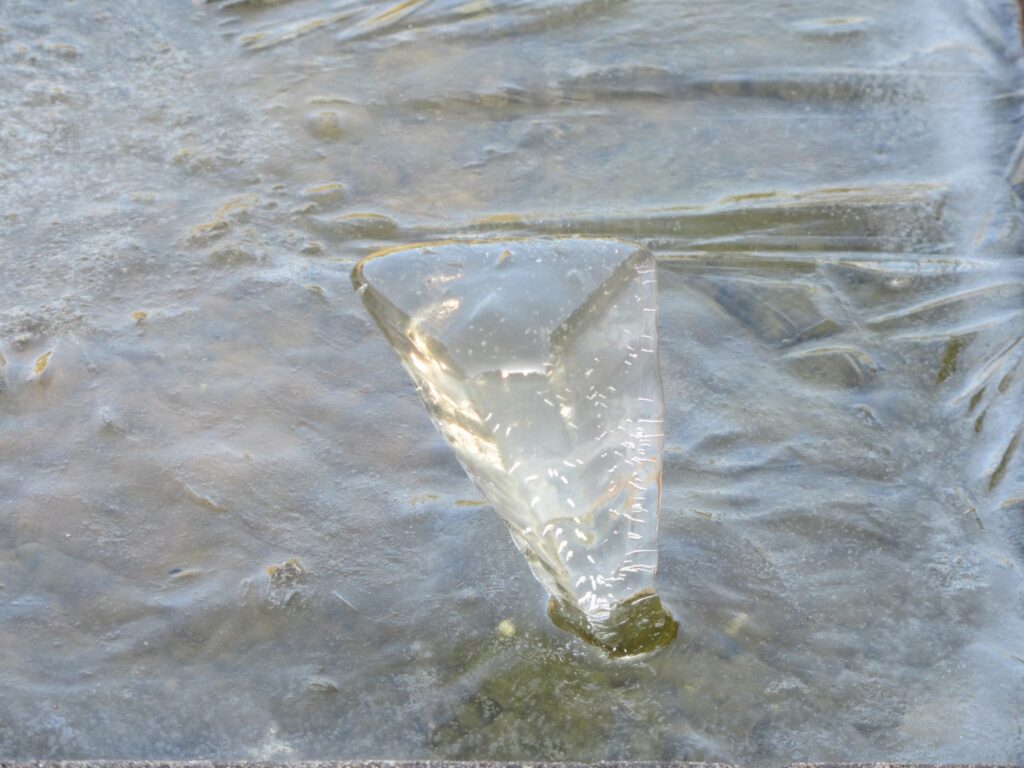
Do birds really need open water in winter?
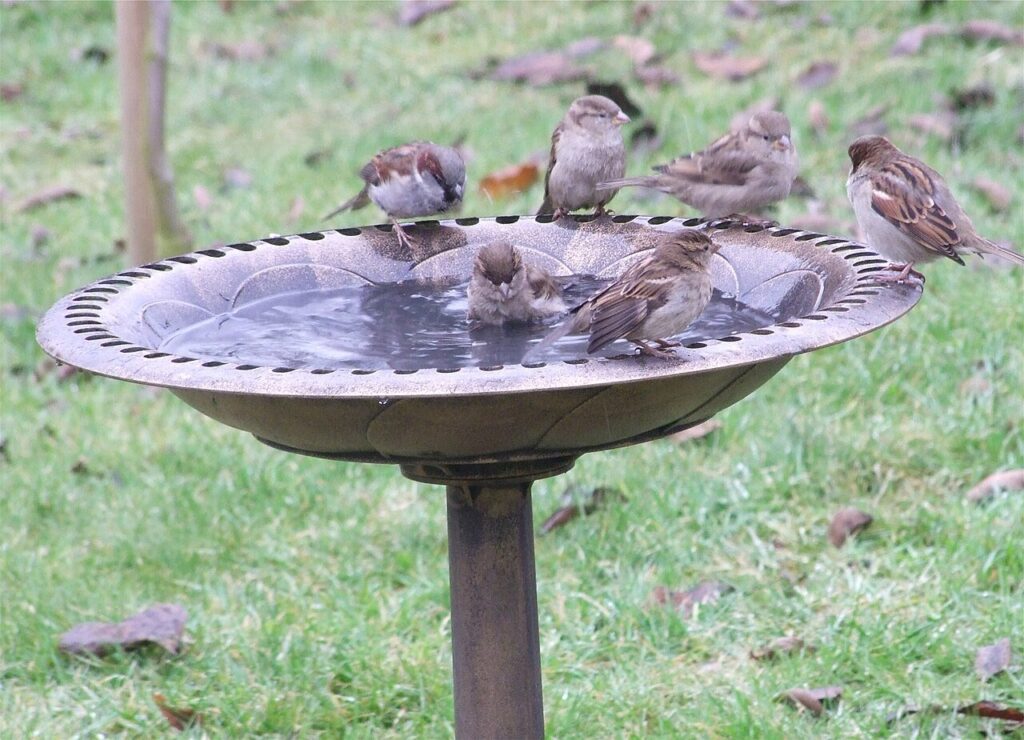
They don’t need it to survive, but they use it. Cornell Lab of Ornithology’s All About Birds notes that birds have ways of conserving water and can get moisture from snow or icicles, which is why it calls keeping a bath ice-free in winter “not critical.” The same page says birds “will come to birdbaths year-round.”
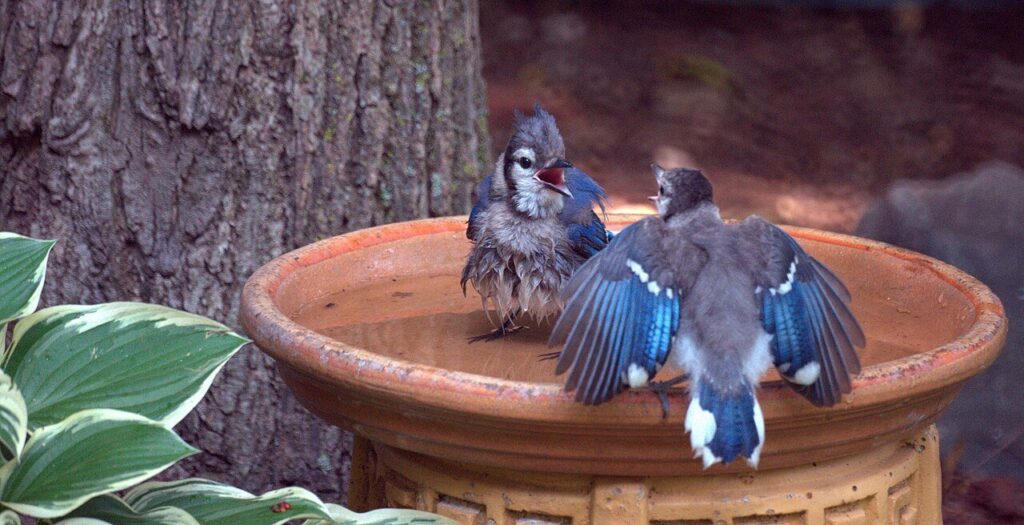
Water does two jobs in cold weather. Birds drink it, and they bathe in it. Idaho Fish and Game points out that bathing keeps feathers clean, “boosting their insulating power.” Audubon’s Rockies office puts it more strongly: “birds especially need open water in winter.” If you want more birds in your yard from December to March, open water is one of the easiest ways to get them.
8 safe ways to keep a bird bath from freezing
1. Put a de-icer in the bath you already have
A de-icer is a small heater that sits in the bowl and switches on as the water nears freezing. Cornell notes that immersion heaters are sold at most places that sell bird feeders, and that most new models turn off if the bath dries up. It’s the lowest-effort option if you have an outdoor outlet within reach: set it once in late fall and check the water level every few days. Plug it into a ground-fault (GFCI) protected outlet, which both Cornell and the National Wildlife Federation recommend for any bath heater. We compare models by wattage, bath size and safety listing in our guide to the best bird bath de-icers.
2. Switch to a heated bird bath
A heated bath has a thermostatically controlled element built into the bowl, so there’s nothing loose sitting in the water. It’s the tidier choice if your current bath is shallow, oddly shaped or one you’d rather not leave out in a freeze. See our picks for the best heated bird baths.
3. Try a solar-powered heater
Audubon’s winter water advice mentions birdbath heaters that “run off a small solar panel.” With no cord, the bath can sit anywhere in the yard. The catch is that a solar unit only works as well as the sun it gets, and the coldest hours are usually overnight and before dawn. Treat solar as a help in mild, sunny climates, not as a guarantee through a northern January.
4. Swap in fresh water every morning
This is the no-electricity method, and it’s the one Cornell calls the simplest: set out a plastic bowl at the same time each day and bring it in when ice forms. The National Wildlife Federation suggests the same idea with heavy-duty plant saucers, replacing a frozen bath with a fresh one each morning. Keep two shallow saucers and rotate them: one outside, one thawing indoors.
5. Pour in warm water or open a hole in the ice
Audubon lists adding warm or hot water and “making a hole in the ice” as ways to keep water open. Warm tap water poured into a frozen bath gives birds a drink before it refreezes. It’s a stopgap, but it costs nothing and helps on the first hard freeze before you’ve set up anything else.
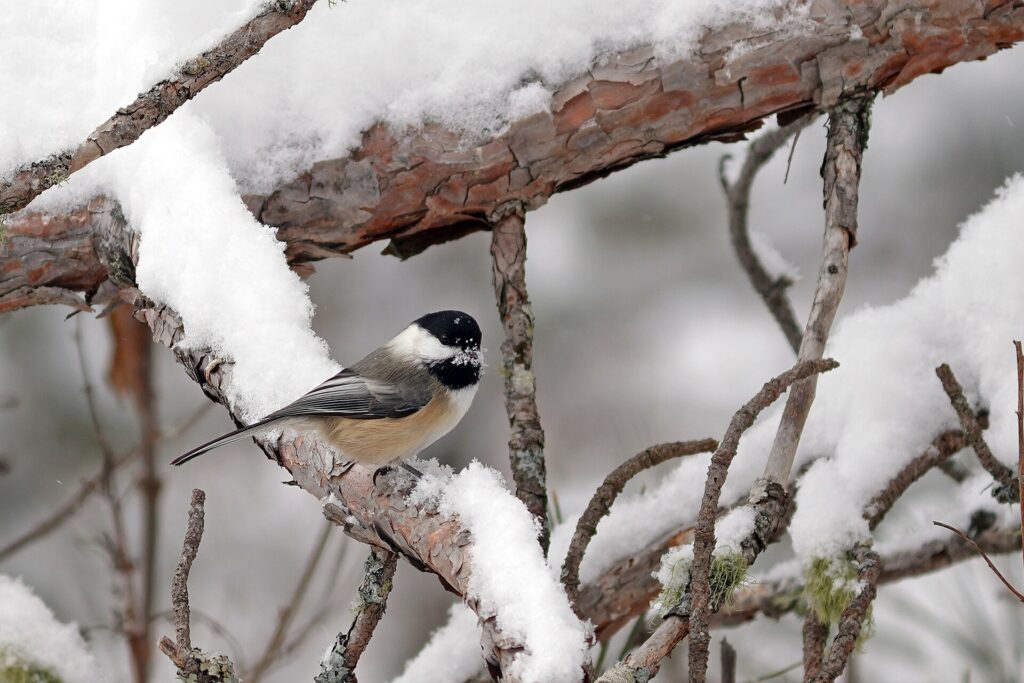
6. Move the bath into the sun
The National Wildlife Federation recommends a sunny spot both to help keep the water liquid and to make the bath easier for birds to see. A spot out of the wind that gets winter sun will stay liquid longer than one in the shade of the house. Keep shrubs or a small tree within a short flight, so birds have somewhere to dart if a hawk shows up.
7. Darken the bottom of the basin
A dark surface absorbs more of the sun’s warmth. The Farmers’ Almanac suggests adding “a few black river rocks, a black plate, or a sheet of black plastic” to the bottom of the basin. Flat stones also give small birds a place to stand, which the National Wildlife Federation recommends anyway.
8. Keep it full
A small amount of water freezes much faster than a full basin, and the Farmers’ Almanac notes that heaters can malfunction if there isn’t enough water in the bath. Top it off on every check. Cornell’s depth guidance still applies: no more than about 1 inch at the edges, sloping to about 2 inches in the middle.
One more trick you’ll see online is floating a small ball in the bowl so the wind nudges it around and breaks up ice as it forms. It can keep a skin of ice from setting on a breezy day, but it won’t hold back a real freeze.
Which method fits your yard?
| Method | Needs power? | Daily effort | Best for |
|---|---|---|---|
| De-icer in your bath | Yes, outdoor GFCI outlet | Low: check the water level | Cold winters, a sturdy bath near an outlet |
| Heated bird bath | Yes, outdoor GFCI outlet | Low | Cold winters, shallow or delicate baths |
| Solar heater | No | Low | Mild, sunny winters |
| Fresh bowl each morning | No | Daily swap | No outlet, or only occasional freezes |
| Warm water / break the ice | No | Daily or more | First freezes, stopgap |
| Sun, dark basin, full bowl | No | Set up once | Slowing freezing in any yard |
What never to put in a bird bath
- Antifreeze. Cornell is blunt: never add it, because “it is poisonous to all animals, including birds.”
- Glycerin. It’s sometimes suggested as a natural antifreeze. Cornell says it can saturate and mat a bird’s feathers, leaving it open to hypothermia. The National Wildlife Federation adds that birds that swallow too much can end up with dangerously high blood sugar.
- Salt. A U.S. Fish and Wildlife Service caption for its own heated bird bath photo notes that salt “can endanger wildlife.” A heater does the job without it.
The rule is simple: change the temperature, not the water. Anything that keeps water from freezing chemically ends up on feathers and in birds’ stomachs.
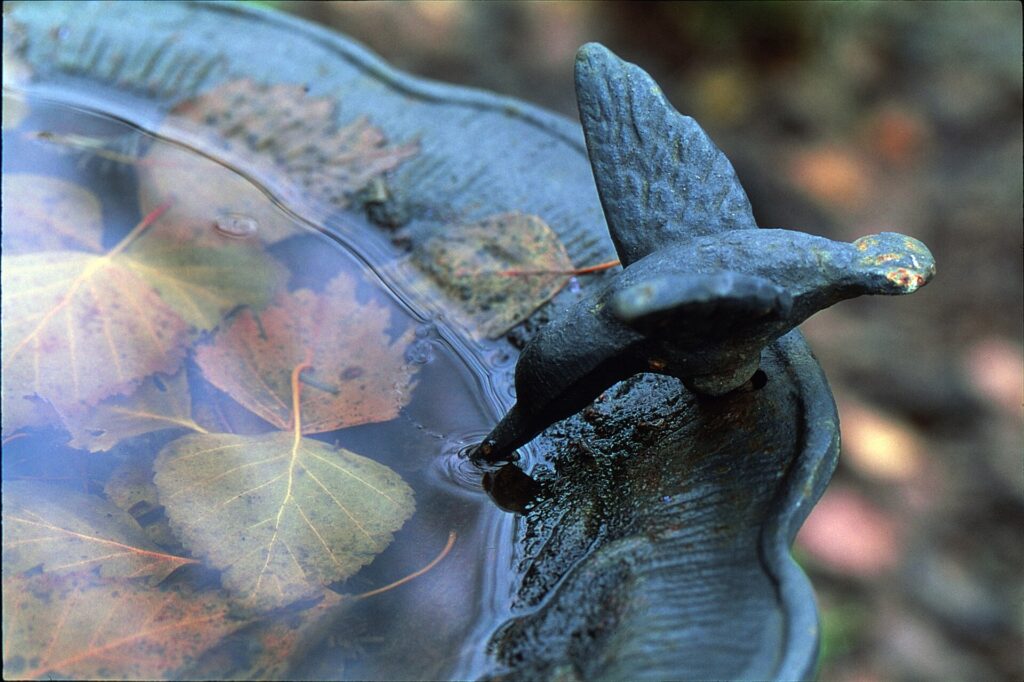
Getting your bath ready before the first freeze
- Check the material. Cornell warns that concrete may crack if temperatures drop below freezing. If your bath is concrete, ceramic or glass, read the maker’s winter care instructions before you leave it out, or retire it for the season and switch to a heated bath or a plastic saucer.
- Clean it out. Scoop out fallen leaves and scrub the basin before you add a heater. Cornell advises changing the water every day or two. Our bird bath guide covers cleaning, and here’s what apple cider vinegar in bird baths actually does.
- Plan the cord. Know where the nearest outdoor GFCI outlet is before you shop. That decides whether you need a heater with a longer cord, a bath that can move closer to the house, or a no-power method.
- Pair it with food. Water near feeders makes your yard a full winter stop. See what to feed birds in winter and our picks for the best bird feeders for winter.
Common questions
Will birds bathe when it’s below freezing? Cornell notes that birds come to baths year-round, and bathing is how they keep their feathers clean and insulating. Keep winter water shallow, no deeper than about 2 inches, so birds can drink or bathe.
Does a de-icer make the water warm? Thermostatic de-icers are built to stop ice, not to warm the water: they switch on near freezing and off again. Details by model are in our de-icer guide.
Should I bring my bird bath in for the winter? If it’s concrete, Cornell’s warning about cracking is a good reason to. If it’s plastic or metal and you can keep it full and open, leave it out: open water can be a big draw on a frozen morning.
Can I use a ping-pong ball to keep water from freezing? At most it slows thin ice on windy days. Use one of the methods above for real cold.
Which birds will use a winter bath? It depends on where you live: robins, bluebirds, chickadees, cardinals, juncos and finches are common winter visitors in much of the U.S. See winter backyard birds by region, and use our free backyard bird ID chart to put a name to whoever shows up.
Bottom line
If you have an outdoor outlet, a de-icer or a heated bath plugged into a GFCI outlet is the set-it-and-forget-it way to keep water open all winter. Without power, swap in a fresh bowl each morning, and use sun, a dark bottom and a full basin to stretch the time before it freezes. Never use antifreeze, glycerin or salt. And if the bath does freeze overnight, don’t worry too much: Cornell says birds can get moisture from snow and icicles, and calls open water in winter “not critical.” It just makes your yard a place they come back to.