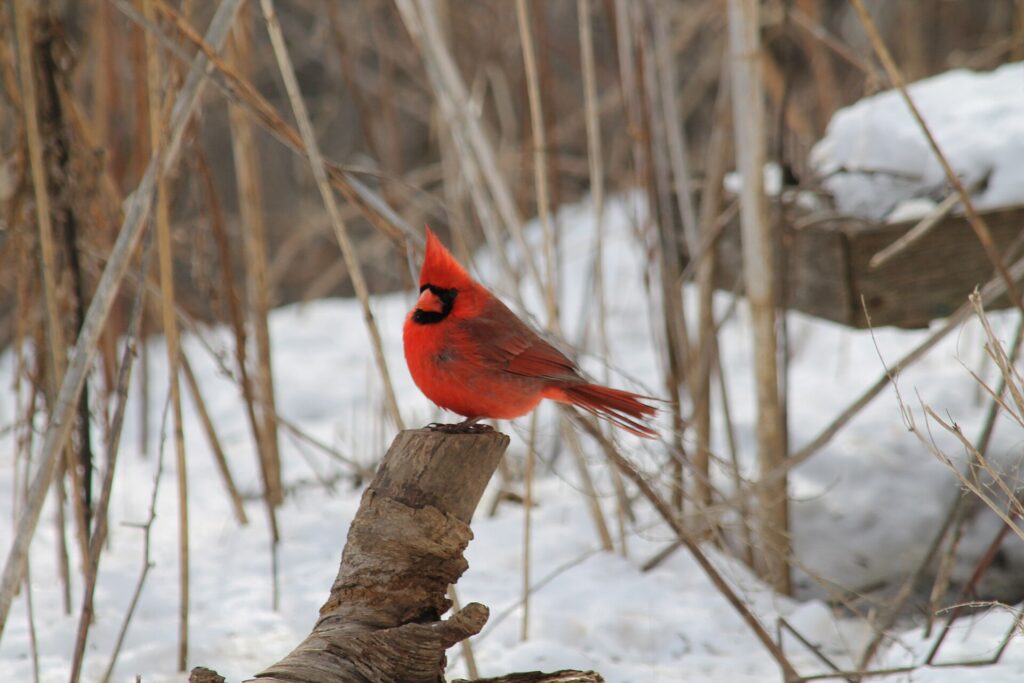
Yes, birds can eat popcorn, as long as it’s plain. Audubon’s recipe for an outdoor bird garland calls for air-popped popcorn that is “unsalted and unbuttered.” A 2020 Bangor Daily News guide says popcorn is OK in moderation, and quotes Maine Audubon’s Doug Hitchcox that it “doesn’t offer wildlife much nutrition or fat.” So think of it as a holiday treat strung on a garland, not a replacement for seed and suet. Below: what the guides actually say, a free printable card for making a bird-friendly popcorn garland, and how to set up an outdoor tree for the birds.
Free printable: bird-friendly popcorn garland card
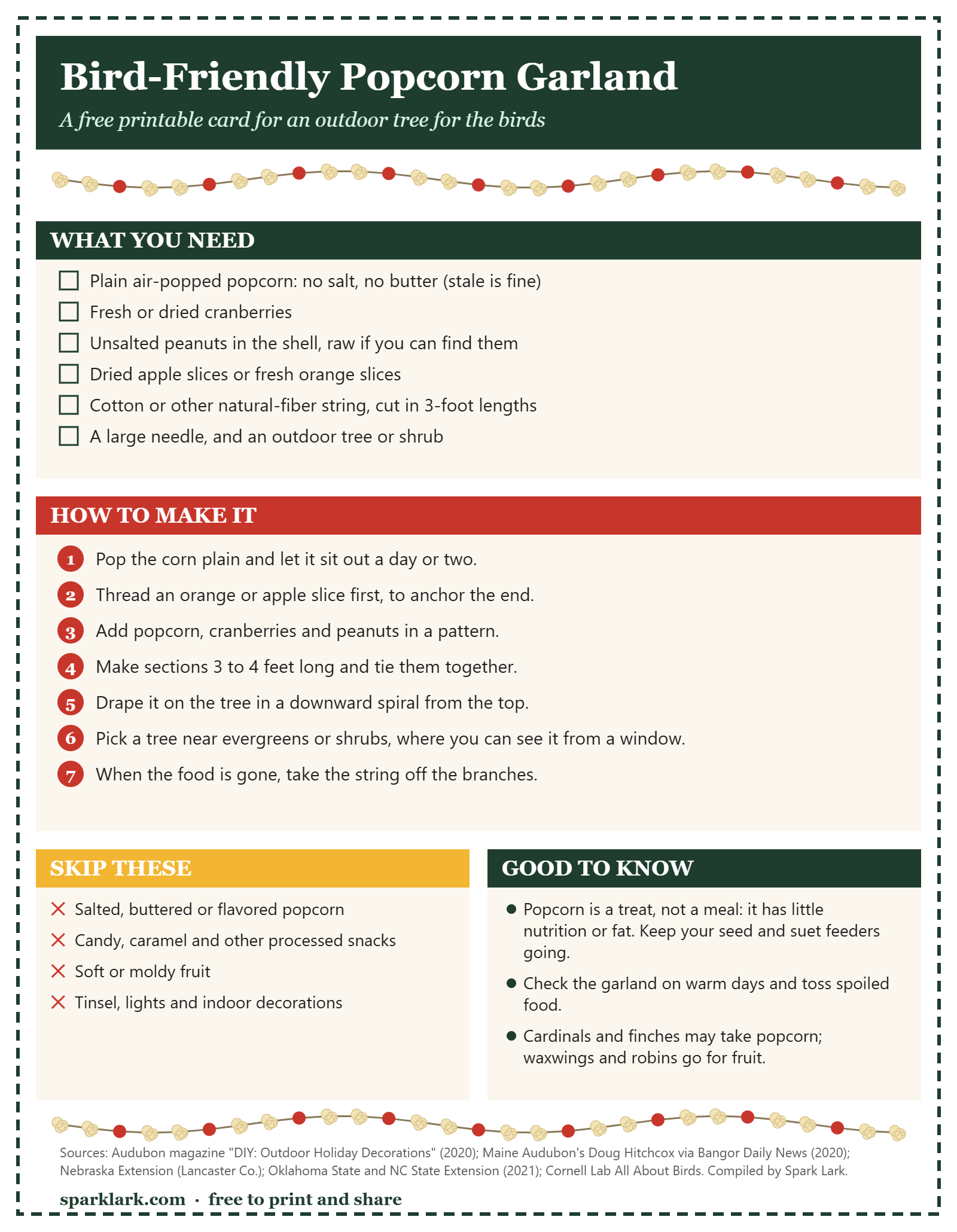
We put the steps on one page you can print and stick on the fridge while you string. It lists what you need, the seven steps, what to skip, and a few things to keep in mind. It’s free, with no signup. Click the card to open the full-size version, then print it.
What the bird guides say about popcorn
Popcorn shows up in almost every “tree for the birds” guide, but most of them just list it without saying how to prepare it. We read holiday bird-tree guides from Audubon, Maine Audubon, university Extension services and a city BioPark, and lined up what seven of them say. Only two give any rules for the popcorn itself, and both say the same thing: plain.
| Source | Popcorn on the list? | How to prepare it | Other tips |
|---|---|---|---|
| Audubon magazine, “DIY: Outdoor Holiday Decorations” (2020) | Yes | Air-popped, unsalted, unbuttered, “preferably stale” | Anchor the string with an orange or apple slice; tie 3- to 4-foot sections together |
| Bangor Daily News, quoting Maine Audubon (2020) | Yes, in moderation | Unsalted, without butter | Skip processed foods; check ornaments on warm days for spoilage and mold |
| Nebraska Extension, “Put Your Christmas Tree to Good Use” | Yes | Not stated | Popcorn draws cardinals, finches and grosbeaks; remove tinsel and lights first |
| Oklahoma State University Extension (2021) | Yes | Not stated | Hang ornaments with cotton or other natural fiber |
| NC State Extension, Union County (2021) | Yes | Not stated | Popcorn or raw peanuts on thread, or with small fruit |
| Albuquerque BioPark, “Backyard Holiday Habitats” | Yes | Not stated | Pick a tree you can see from a window |
| Nebraska Extension, “Fruit Garland for the Birds” (2021) | No (fruit only) | — | Cotton string in 3-foot lengths; remove it when the fruit is gone |
Spark Lark comparison of seven published guides, read Nov. 23, 2026. “Not stated” means the guide lists popcorn but gives no preparation rules.
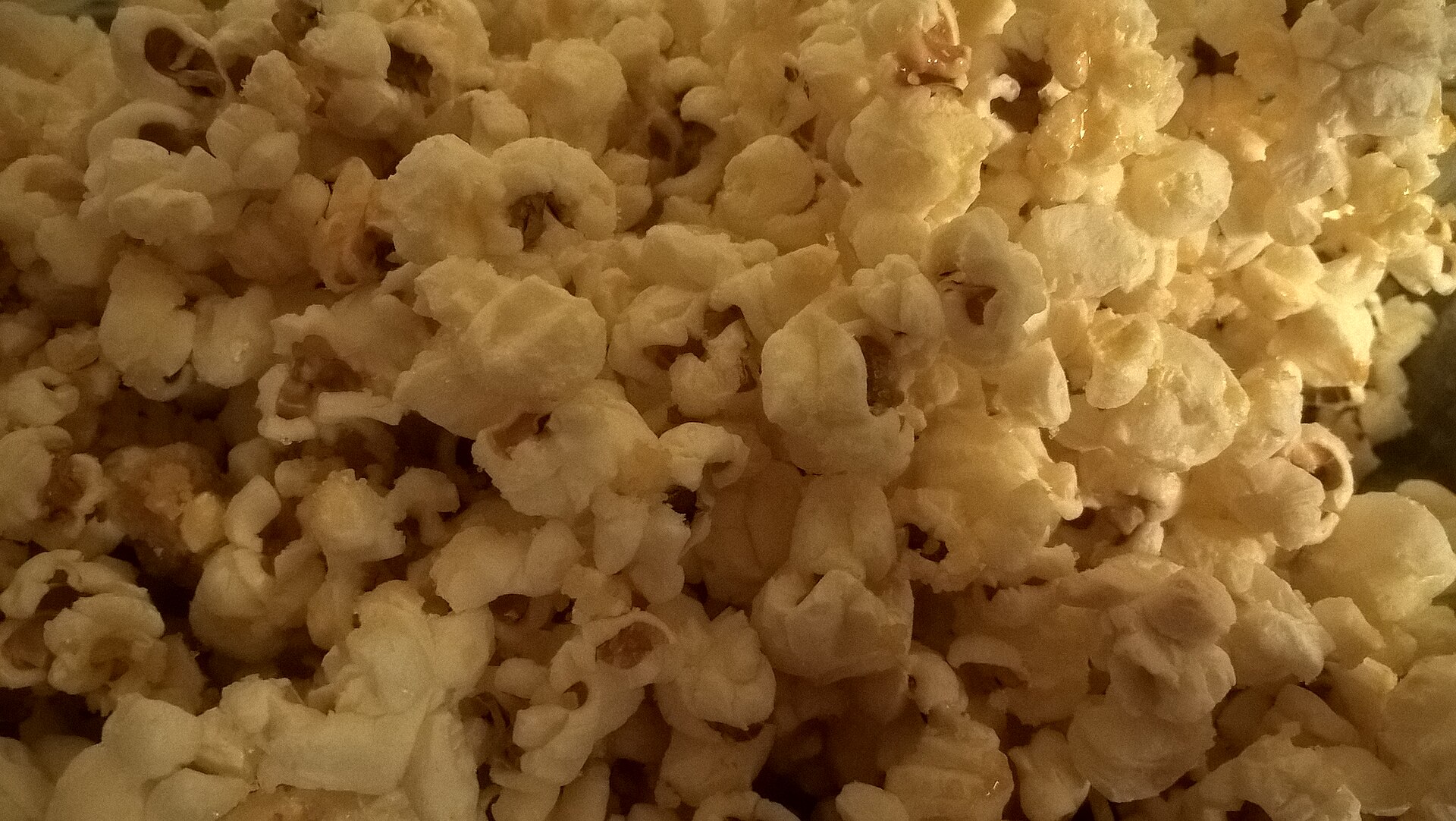
What kind of popcorn is safe for birds?
Go by the two guides that spell it out:
- Air-popped and plain. No salt and no butter (Audubon). If a microwave bag lists salt, butter or oil, it doesn’t fit that rule.
- Stale is fine. Audubon actually says “preferably stale,” so day-old popcorn is a good use for leftovers.
- In moderation. The Bangor Daily News guide says popcorn is OK only in moderation, and Maine Audubon’s Hitchcox notes it has little nutrition or fat.
- No candy-coated or flavored popcorn. Caramel corn and kettle corn are processed snacks, and the Bangor Daily News guide advises steering clear of processed foods.
If you’re also wondering about the rest of your holiday table, our guide to Thanksgiving leftovers for birds goes plate by plate.
Which birds eat popcorn and cranberries?
Nebraska Extension says popcorn draws cardinals, finches and grosbeaks, and that cranberries and raisins draw cedar waxwings, finches and robins. That lines up with what the Cornell Lab of Ornithology says about each bird’s diet:
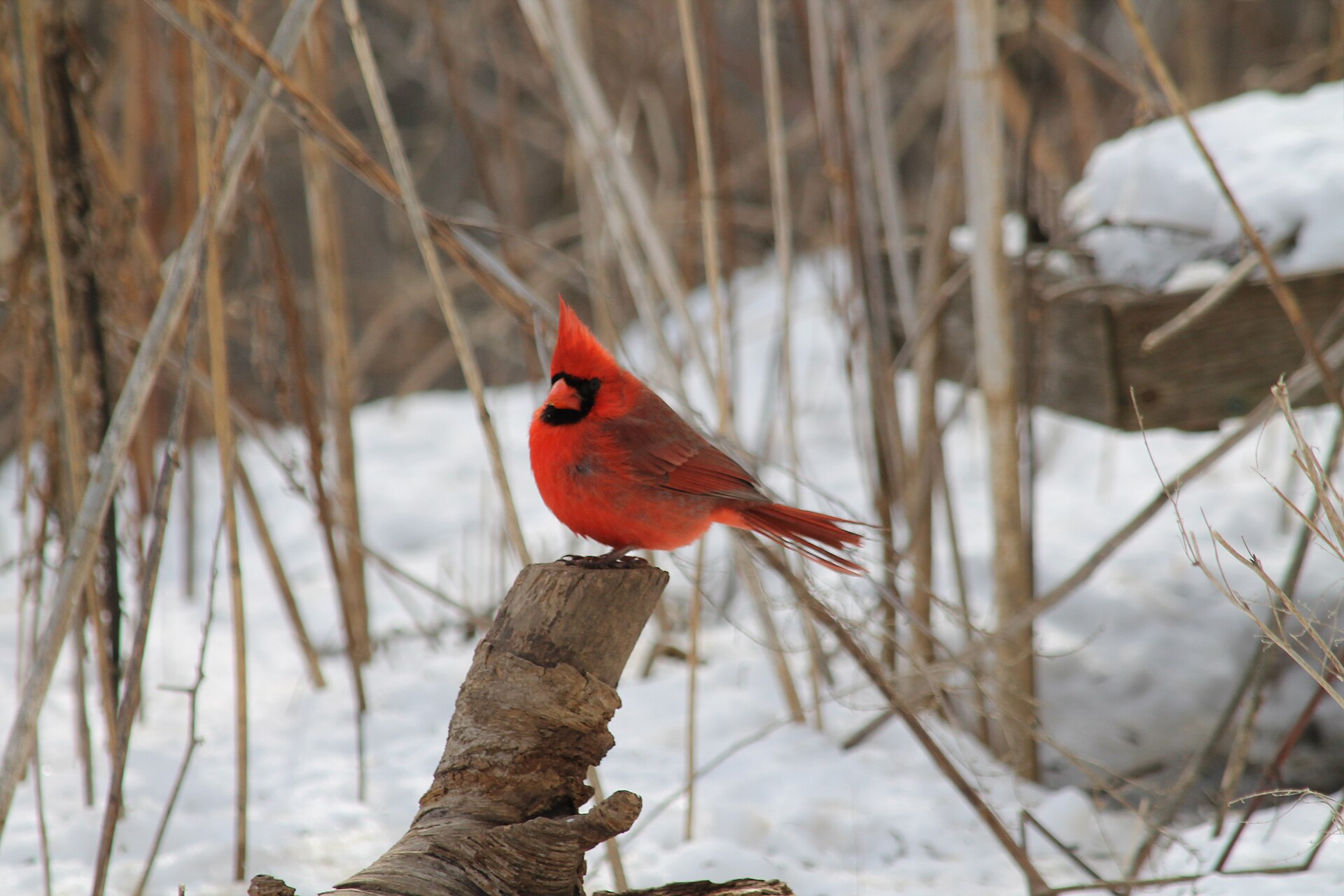
- Northern cardinal: eats “mainly seeds and fruit,” and corn is on Cornell’s list of its foods. At feeders, Cornell says, cardinals favor black-oil sunflower seed. See our picks of the best feeders for cardinals.
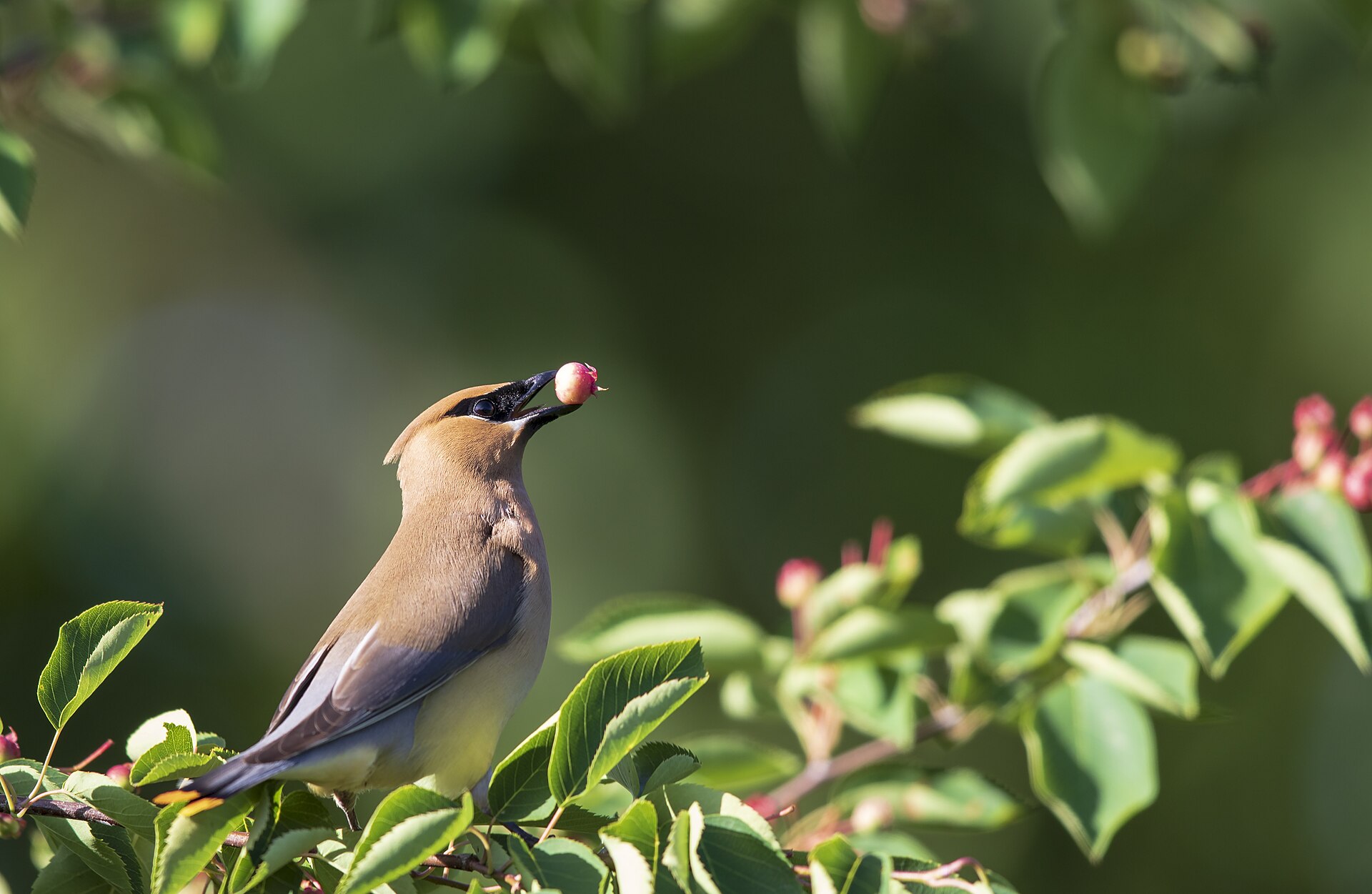
- Cedar waxwing: feeds “mainly on fruits year-round,” per Cornell. Fruit on a garland is the draw for waxwings, not popcorn.
- American robin: eats “large numbers of both invertebrates and fruit,” per Cornell.
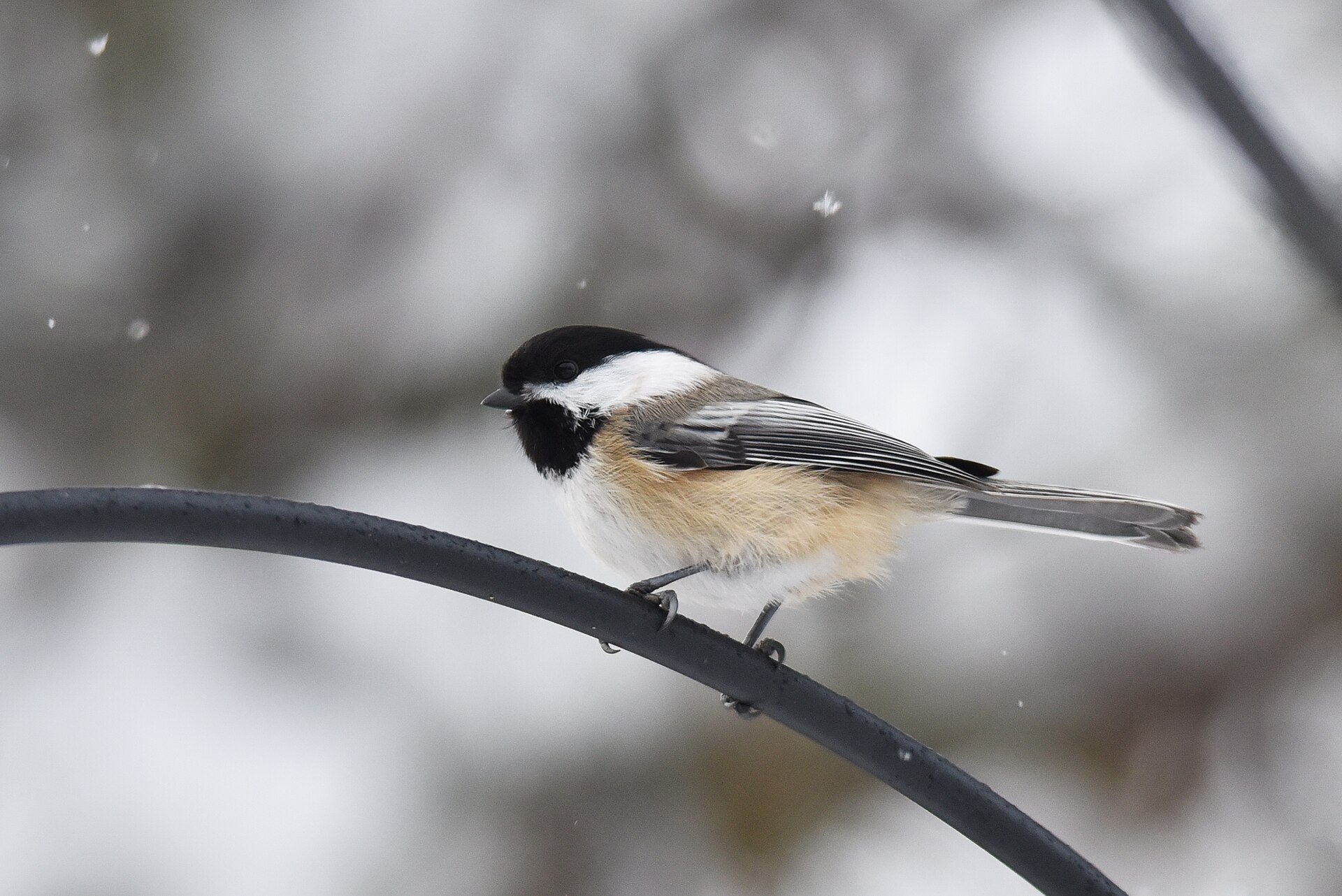
- Black-capped chickadee: about half its winter diet is seeds, berries and other plant matter, and at feeders it takes mostly sunflower seeds, peanuts, suet, peanut butter and mealworms (Cornell). Unsalted peanuts on the garland are more its style than popcorn.
Not sure who’s at your tree? Our free backyard bird ID chart by color covers the common feeder birds.
How to make a popcorn garland for birds
This is the method on the printable card, pulled from the Audubon and Extension guides above.
What you need
- Plain air-popped popcorn (no salt, no butter)
- Fresh or dried cranberries
- Unsalted peanuts in the shell, raw if you can find them (Audubon)
- Dried apple slices or fresh orange slices
- Cotton or other natural-fiber string, cut into 3-foot lengths (Nebraska and Oklahoma State Extension)
- A large needle
Steps
- Pop the corn plain and let it sit out for a day or two.
- Thread an orange or apple slice first. Audubon uses it as an anchor.
- Add popcorn, cranberries and peanuts in a repeating pattern.
- Make sections 3 to 4 feet long and tie them together (Audubon).
- Drape the garland in a downward spiral, starting at the top of the tree (Audubon).
- Don’t tie string tight around branches. Nebraska Extension warns it can injure them.
- When the food is gone, take the string off the branches so it can’t girdle them later (Nebraska Extension).
Want more ornaments? Audubon’s same guide includes a suet wreath and seed ornaments, and we have step-by-step instructions for bird seed wreaths.
Setting up an outdoor tree for the birds
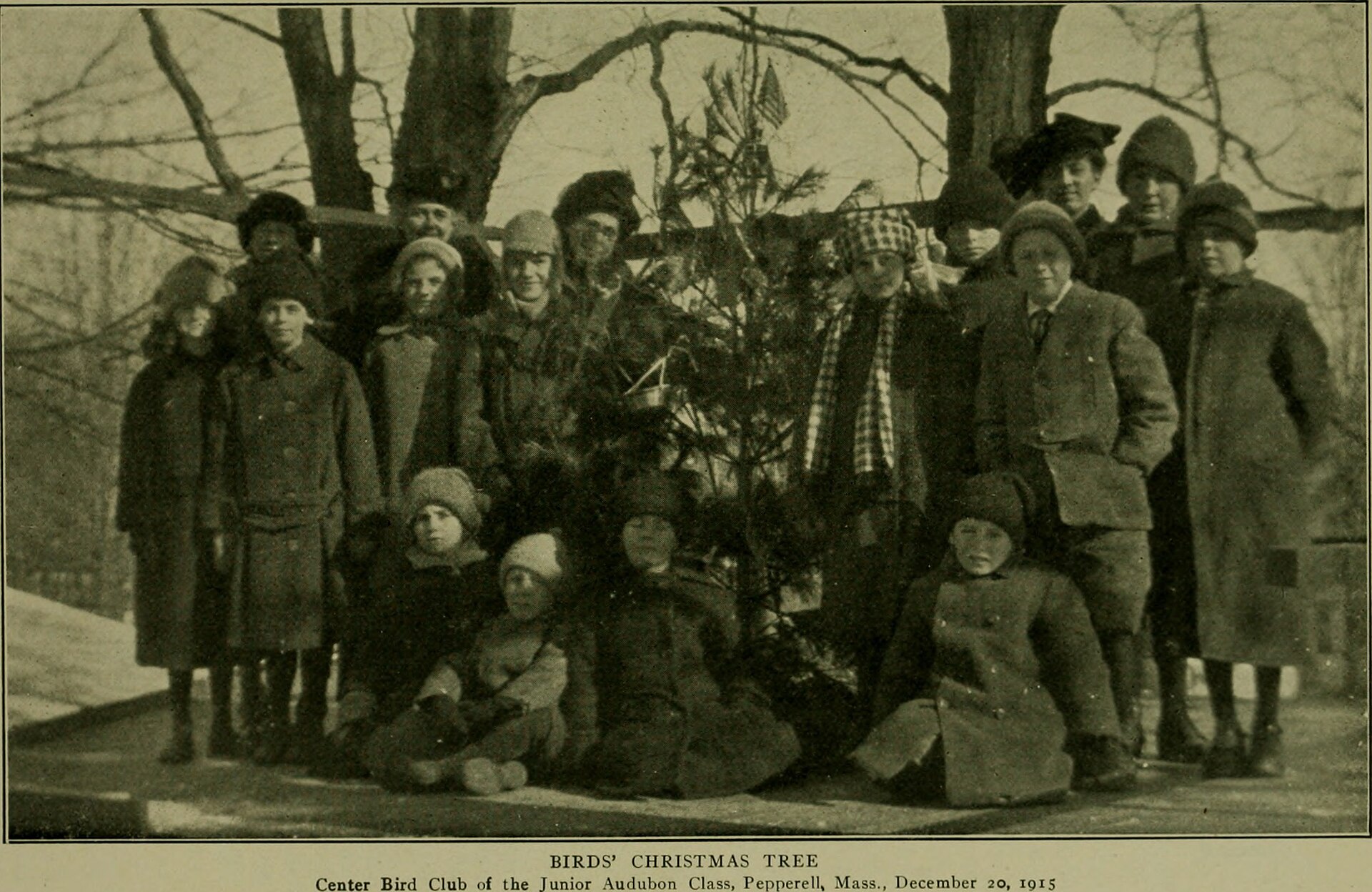
A tree decorated for birds is an old idea. The photo above ran in Bird-Lore, published by the Audubon societies, more than a century ago. Here’s what today’s guides suggest:
- Use a live shrub or a cut tree. Oklahoma State Extension suggests moving your cut Christmas tree outside after the holidays, in its stand, a bucket of dirt or tied to a fence post. NC State Extension suggests setting a cut tree in the garden or a large pot, and Nebraska Extension suggests a large bucket of damp sand, with twine to a nearby structure.
- Strip it first. Remove all decorations and lights, including tinsel (Nebraska Extension).
- Give birds cover. The Bangor Daily News piece suggests a spot near other evergreens or shrubs, where birds can hide from hawks and owls.
- Make it easy to watch. The Albuquerque BioPark suggests a tree you can see from a window; Nebraska Extension suggests the south or east side of the house. Oklahoma State Extension suggests toward the back of the yard so birds aren’t scared off.
- Mind your windows. For its suet wreath, Audubon says to hang it “three feet or less from a window” to prevent collisions. More in why birds crash into windows.
Safety tips: spoilage, string and visitors
- Check on warm days. Food on a garland can spoil, and “bacteria and mold can cause major problems for wildlife,” the Bangor Daily News reported. Toss anything that looks bad.
- Peanut butter can run. Oklahoma State Extension notes that in warm weather the oil can separate and get on birds’ feathers, and suggests mixing peanut butter with cornmeal.
- Watch for raccoons and cats. The same Bangor Daily News piece says to monitor for raccoons if the tree is near your house, and warns that outdoor cats can make a bird tree “a death trap.”
- Keep the real food coming. Popcorn adds little nutrition or fat, so keep seed and suet out too. See what to feed birds in winter and when to put out suet.
FAQ
Can birds eat microwave popcorn?
Only if it’s plain. Audubon’s rule is air-popped, unsalted and unbuttered, so read the label: if the bag lists salt, butter or oil, leave it for people.
Can birds eat buttered or salted popcorn?
The two guides that give rules for popcorn, Audubon and the Bangor Daily News piece, both say unsalted and without butter. Skip anything salted, buttered or flavored.
Is popcorn good for birds?
It’s safe as a plain treat, but it isn’t very nutritious. Maine Audubon’s Doug Hitchcox says it “doesn’t offer wildlife much nutrition or fat.” Keep seed and suet out as the main menu.
What can I put on a garland besides popcorn?
The guides we read use fresh or dried cranberries, unsalted peanuts in the shell, apple and orange slices, grapes and raisins. Longwood Gardens advises against berries that are soft.
What string should I use for a bird garland?
Cotton or another natural fiber, per Oklahoma State and Nebraska Extension. Take it down when the food is gone.
Bottom line
Birds can eat popcorn if it’s plain: air-popped, no salt, no butter, and stale is fine. String it with cranberries, unsalted peanuts and fruit on cotton string, drape it on an outdoor tree near cover, and check it on warm days. Treat it as a fun extra, and keep your seed and suet feeders going too, especially ahead of a snowstorm. Print the free card above and enjoy the visitors.