Hummingbirds leave earlier than most people think. Across the northern states the last birds are gone by the end of September; through the middle of the country it’s October; along the Gulf Coast, in the Southwest and on the Pacific Coast some never leave at all. The table below gives the typical last-sighting window for every state, which hummingbird species you’re watching, and the date to take the feeder down. Bookmark it: the dates hold from year to year within about two weeks.
The one rule that matters: leave your feeder up for two weeks after you see your last hummingbird. Your feeder doesn’t stop them from migrating (day length does), and late migrants from farther north depend on the feeders they find along the way.
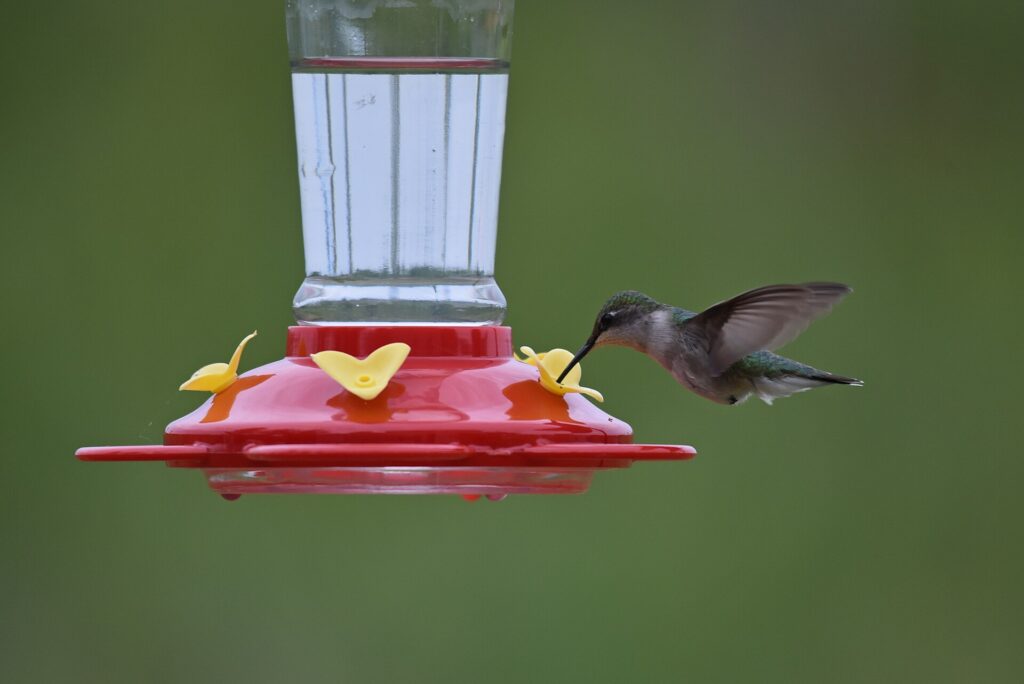
When hummingbirds leave, state by state
Last sightings is the window when the final migrating hummingbirds are typically reported in a normal year. Take the feeder down adds the two-week margin. States marked “keep up year-round” have wintering hummingbirds.
| State | Species you’ll see | Last sightings | Take the feeder down |
|---|---|---|---|
| Alabama | Ruby-throated | Mid–late October | Early to mid November |
| Alaska | Rufous | Early–mid August | Late August |
| Arizona | Anna’s, Black-chinned, Costa’s, Rufous (migrant) | Migrants gone by late October | Keep up year-round |
| Arkansas | Ruby-throated | Early–mid October | Late October |
| California | Anna’s, Allen’s, Rufous (migrant), Black-chinned | Migrants gone by October | Keep up year-round |
| Colorado | Broad-tailed, Rufous (migrant), Black-chinned | Late September | Mid October |
| Connecticut | Ruby-throated | Mid–late September | Early October |
| Delaware | Ruby-throated | Late September–early October | Mid October |
| Florida | Ruby-throated; Rufous and others in winter | Migrants thin out in November | Keep up year-round |
| Georgia | Ruby-throated | Mid–late October | Early November |
| Hawaii | None | No hummingbirds | — |
| Idaho | Rufous, Calliope, Black-chinned, Broad-tailed | Early–mid September | Late September |
| Illinois | Ruby-throated | Late September–early October | Mid October |
| Indiana | Ruby-throated | Late September–early October | Mid October |
| Iowa | Ruby-throated | Late September | Early–mid October |
| Kansas | Ruby-throated, Rufous (migrant, western KS) | Early October | Late October |
| Kentucky | Ruby-throated | Early–mid October | Late October |
| Louisiana | Ruby-throated; many wintering species | Migrants thin out in November | Keep up year-round |
| Maine | Ruby-throated | Early–mid September | Late September |
| Maryland | Ruby-throated | Late September–early October | Mid October |
| Massachusetts | Ruby-throated | Mid–late September | Early October |
| Michigan | Ruby-throated | Mid–late September | Early October |
| Minnesota | Ruby-throated | Mid September | Late September–early October |
| Mississippi | Ruby-throated | Mid–late October | Early–mid November |
| Missouri | Ruby-throated | Early October | Late October |
| Montana | Rufous, Calliope, Black-chinned, Broad-tailed | Late August–early September | Mid September |
| Nebraska | Ruby-throated (east), Rufous and Broad-tailed (west, migrants) | Late September | Mid October |
| Nevada | Anna’s, Black-chinned, Rufous (migrant), Broad-tailed | Late September | Mid October; Anna’s may stay |
| New Hampshire | Ruby-throated | Mid September | Late September–early October |
| New Jersey | Ruby-throated | Late September–early October | Mid October |
| New Mexico | Black-chinned, Broad-tailed, Rufous (migrant), Calliope | Mid–late October | Early November |
| New York | Ruby-throated | Mid–late September | Early October |
| North Carolina | Ruby-throated | Early–mid October | Late October–early November |
| North Dakota | Ruby-throated, Rufous (migrant) | Early–mid September | Late September |
| Ohio | Ruby-throated | Late September–early October | Mid October |
| Oklahoma | Ruby-throated, Black-chinned (west) | Early–mid October | Late October |
| Oregon | Anna’s, Rufous, Calliope, Black-chinned | Migrants gone by mid September | Keep up if Anna’s are present |
| Pennsylvania | Ruby-throated | Late September–early October | Mid October |
| Rhode Island | Ruby-throated | Mid–late September | Early October |
| South Carolina | Ruby-throated | Mid–late October | Early November |
| South Dakota | Ruby-throated (east), Rufous and Broad-tailed (Black Hills) | Mid September | Late September–early October |
| Tennessee | Ruby-throated | Early–mid October | Late October |
| Texas | Ruby-throated, Black-chinned, Rufous, Buff-bellied and more | Migrants thin out in November | Keep up year-round |
| Utah | Black-chinned, Broad-tailed, Rufous (migrant), Calliope | Late September | Mid October |
| Vermont | Ruby-throated | Early–mid September | Late September |
| Virginia | Ruby-throated | Early–mid October | Late October |
| Washington | Anna’s, Rufous, Calliope, Black-chinned | Migrants gone by mid September | Keep up if Anna’s are present |
| West Virginia | Ruby-throated | Late September–early October | Mid October |
| Wisconsin | Ruby-throated | Mid–late September | Early October |
| Wyoming | Broad-tailed, Rufous (migrant), Calliope, Black-chinned | Early–mid September | Late September |
How these dates were compiled. The windows summarize typical fall departure patterns reported by citizen scientists to Hummingbird Central and Journey North, and the guidance published by state wildlife agencies (Texas Parks and Wildlife is the source of the two-week rule). They describe a normal year; a warm fall can stretch the last sightings a week or two later, and a cold snap can end them early. If you see a hummingbird after the window for your state, report it to eBird or Journey North: late and wintering birds are exactly the records researchers want.
Who leaves first
Adult males go first, often by late July or early August in the north, because they have no part in raising the young. Females follow two to three weeks later. Juveniles on their first migration are the last to leave, which is why the birds at your feeder in late September often look small and plain: they are this year’s young, fueling up. Rufous hummingbirds in the West run the whole schedule a month earlier than ruby-throated hummingbirds in the East.
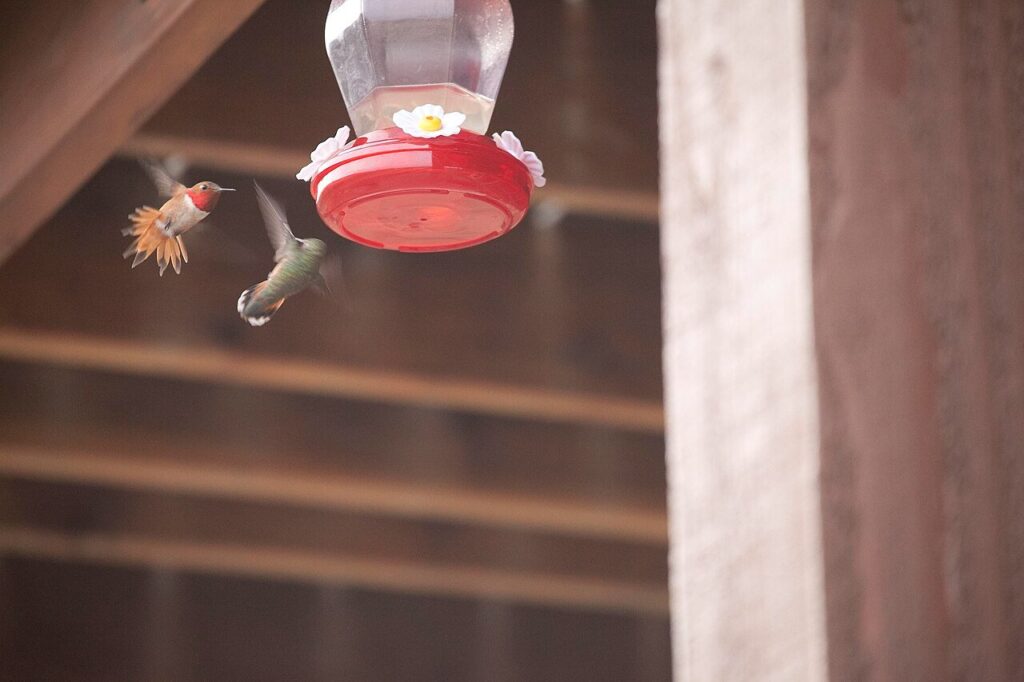
States where hummingbirds never really leave
If you live in Florida, Louisiana, coastal Texas, southern Arizona, southern California or west of the Cascades in Oregon and Washington, keep at least one feeder up all winter. Anna’s hummingbirds are year-round residents of the Pacific Coast and the low desert. The Gulf Coast hosts wintering rufous, black-chinned, buff-bellied and occasionally rarer species, and Louisiana’s winter hummingbird list is the longest in the country. A clean feeder with fresh nectar in January is not a mistake there; it’s the most interesting feeder in the yard.
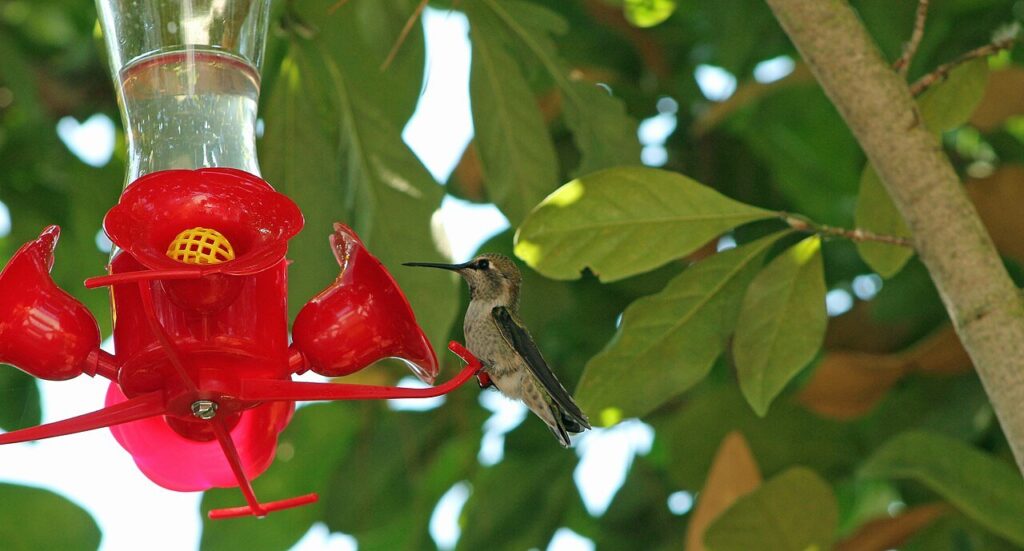
What to do in the two weeks after your last bird
Keep the nectar fresh: in fall temperatures, change it every four to five days and wash the feeder each time. Skip red dye. When the two weeks are up, take the feeder down, run it through hot soapy water, let it dry completely and store it indoors. Our guide to when to take down hummingbird feeders covers winter feeding and the spring put-back dates, and the best hummingbird feeders compares the ones that are easiest to keep clean.
Bottom line
Find your state in the table, watch for your last hummingbird, and give it two weeks. In the North that’s a feeder down by early October; in the middle of the country, mid-to-late October; in the South, November; and along the Gulf, the desert Southwest and the Pacific Coast, leave it up and see who shows up for the winter.