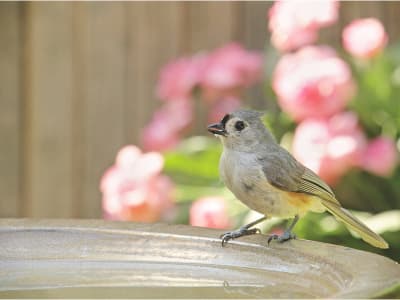
If you thought birds were just adorable, wait till you dive into the jaw-dropping world of Finches and Goldfinches breeding, where tiny architects build fortress-like nests and super-attentive parents fight off predators to feed their ravenous young! These pint-sized powerhouses craft cup-shaped homes of twigs, grasses, and feathers, incubate eggs with surgical precision, and then feed their chicks round-the-clock, making them the ultimate parenting champions.

Nest Construction: Masterclass in Finches and Goldfinches Breeding Engineering
The female finch typically selects a sheltered cavity, tree fork, or dense shrub to start her nest, weaving an outer shell of twigs, grasses, or bark before lining it with soft feathers or plant down for insulation. In species like the zebra finch, both partners collect materials. Still, the female does most of the weaving, using spider silk to bind fibres into a waterproof cup. The process can take as little as two days in House Finches. In comparison, American Goldfinches may spend up to six days perfecting their watertight retreats. Male Gouldian Finches, by contrast, perform feather-display dances to entice females, who then construct nests in tree hollows in arid savannas.In Australian Painted Finches, nests often feature a domed structure with a side entrance, cleverly camouflaged among spinifex grass.
Why Finches and Goldfinches choose high-visibility sites
Finches and Goldfinches frequently opt for exposed perches or shrubs with a clear line of sight to ward off sneaky predators and defend prime territory against rivals. The American Goldfinch specifically builds its nest 4–10 feet above ground, often in open shrubs near water, to maximize foraging efficiency and early warning of danger. Meanwhile, House Finches reuse abandoned nests on hanging planters or roof eaves to save time, demonstrating remarkable adaptability in urban landscapes.
Finches and Goldfinches: Parenting in Pairs
Once eggs are laid, both parents often pitch in: the female incubates for 12–14 days while the male brings her food directly to the nest, a feeding ritual that strengthens pair bonds. After hatching, nestlings are fed regurgitated seeds and insects, in many finch species, the father gradually takes over the bulk of feeding as chicks grow. Zebra Finch pairs may foster young from other finch species, demonstrating cross-species parental instincts triggered by prolactin surges. In Painted Finches, nestlings begin vocal begging around day 7, guiding parents even in dark, enclosed nests.
Egg Laying and Incubation: Perfect Timing
Every aspect of Finches and Goldfinches breeding is timed to perfection with seasonal shifts in food availability.Clutch sizes vary from 2 to 7 eggs. House Finches usually lay 4–5 pale blue-green eggs, whereas American Goldfinches average 4–6 eggs per brood. Females typically lay one egg per morning and begin incubation only after the whole clutch is laid, synchronizing hatching to give each chick an equal start. Incubation periods last about 12–14 days, during which males may sing defence calls to deter predators and rival suitors.
Parental Care: Feeding Frenzy and Protection
Nothing showcases the marvel of Finches and Goldfinches breeding like the intense feeding and brooding rituals these birds perform. Parents feed nestlings every 15–20 minutes, first delivering seeds to the female on the nest, then sharing feeding duties once chicks hatch. Young remain silent for the first week, relying on adults to pre-digest seeds in dimly lit nests, but peeps grow louder as they compete for food.Until fledging at 11–19 days, parents remove fecal sacs to keep the nest clean and guard against parasites. However, some species allow droppings to accumulate once chicks are older. After fledging, fathers often continue feeding juveniles for up to three weeks, leading survival rates to soar above those of solitary nesters.
Factors Influencing Breeding Success
Optimal breeding in captive and wild finch populations hinges on diet quality, habitat stability, and light exposure. In aviaries, providing a complete seed mix, fresh greens, and cuttlebone boosts egg viability. At the same time, UVB lighting ensures proper Vitamin D₃ synthesis. Female House Finches tend to lay more female than male chicks when their nesting area hosts parasitic mites because they believe this will protect their offspring. Brown-headed Cowbirds are not detected often as brood parasites in American Goldfinches because their late nesting behaviour improves the survival rates of their chicks.
Conservation and What You Can Do
Despite robust global populations, many finch species face habitat loss and climate-driven food shortages. The website Birds of the World allows people to help local finches by planting native seed-bearing plants in their yards, including thistles, sun, flowers, and coneflowers. Your garden becomes more attractive to breeding pairs by placing nesting boxes with natural floss supplies such as milkweed, coconut materials, and pet-friendly carpet fibres. When you install Nyjer seed feeders in your garden during the American Goldfinches’ breeding time, they will use them to feed their young, as other seed-eating birds will not observe them. Monitoring breeding trends under changing climates depends on the reporting data collected by citizens participating in scientific projects.
Fledgling Stage: The Next Chapter in Finches and Goldfinches Breeding Saga
When American Goldfinch chicks hatch, they fledge at about two weeks old but often return to the nest and stay with parents for up to a month more, receiving supplemental feeding and protection. Both parents continue to deliver tiny morsels of pre-digested seeds and insects, ensuring that even post-fledging juveniles get round-the-clock care. This prolonged dependence boosts survival, with father Goldfinches often assuming most feeding duties once chicks leave the nest.
How Climate Change is Disrupting the Finches and Goldfinches Breeding Clock

Researchers have documented that wildhouse House Finch breeding seasons start up to two weeks earlier than 30 years ago, driven by milder springs and shifting food peaks.
Similarly, Zebra Finch broods in Australia suffer asynchronous hatching; siblings hatch out of sequence during extreme heat waves, reducing overall brood survival.
These mismatches between insect emergence and nestling demand spell trouble: chicks may starve if peak food availability no longer matches peak hunger.
Brood Parasites, Predators, and the Ultimate Stress Test
A single predator species can decimate over 50% of nests in some Zebra Finch populations, highlighting the fragile balance of nest success. While Brown-headed Cowbirds rarely target late-nesting Goldfinches, House Finches may fall victim to brood parasites, forcing parents to raise foreign chicks at their own expense. Parasitic mites and blowflies also infiltrate nests, stunting chick growth and skewing sex ratios when females suffer higher mortality under heavy infestations.
Attracting Finches: DIY Nesting Stations for Finches and Goldfinches
To lure these charismatic songbirds, install tube feeders filled with Nyjer or black-oil sunflower seed near dense shrubs or small trees about 6–10 ft high Better Homes & Gardens.
Offer natural nesting fibres, milkweed floss, coconut coir, cotton strings, and pet-safe yarn in small baskets hung close to feeding stations; Finches and Goldfinches will snatch them up instantly. All About Birds. Consider adding open-fronted nesting boxes with a 1 ½″ entrance hole and a rough interior surface; certain cavity-nesting finches will inspect and adopt them,especially if placed in semi-shaded spots.
The Shocking Truth: How Parasites and Predators Test Finches and Goldfinches Breeding Commitment
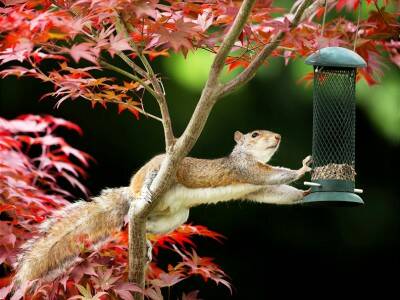
Beyond brood parasitism, high predation rates from snakes, squirrels, and jays force parents to mount a constant defence; males will sing alarm calls while females brood chicks to deter invaders.
In urban settings, domestic cats contribute to nest failures, prompting some finches to relocate nests multiple times per season, a stress response that reduces overall breeding success. Yet these avian dynamos exhibit remarkable resilience: they’ll rebuild nests within days, and pairs may re-lay clutches even after complete brood loss.
Finches and Goldfinches Breeding Summary
| Aspect | Finches | Goldfinches |
| Season | Spring to late summer | Late summer (July–August) |
| Nest Type | Cup-shaped, twigs & grass | Compact, lined with plant down |
| Eggs/Clutch | 4–5 eggs | 4–6 eggs |
| Incubation | 12–14 days (female mostly) | 12–14 days (female incubates) |
| Parental Care | Both feed chicks | Male feeds female & chicks |
| Fledgling | 12–16 days, post-fledging care continues | 15 days + 3 weeks of care after fledging |
| Threats | Parasites, predators, brood parasites | Predators, heat, disturbance |
Conclusion: Witness the Miracle of Finches and Goldfinches breeding in Your Backyard
Whether you’re a seasoned birder or a curious beginner, setting up a finch-friendly habitat can turn your yard into a front-row seat for one of nature’s greatest shows, Backyard Ecology.
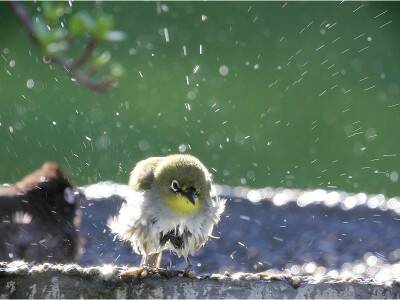
Plant native thistles, coneflowers, and sunflowers to supply fresh seeds and nesting plants throughout the season. Keep water available in shallow dishes and change it daily to prevent disease spread, and keep fledglings hydrated during hot snaps.
Ultimately, no spectacle rivals the determination, ingenuity, and devotion displayed during Finches and Goldfinches breeding, so grab your binoculars and let the show begin! Finches and Goldfinches breeding never looked so epic, and with these insider hacks, you’ll be part of the drama unfolding right outside your window.