One of the usual species of birds that backyard and bird enthusiasts desire to observe is the Great Crested Flycatcher. Characterized by its vivid coloring, peculiar sounds, and fascinating manners, this flycatcher is a real beauty of the North American woods. The skills to identify and draw Great Crested Flycatchers can result in a lot of enjoyable time and a better understanding of nature, no matter what your background is with bird watching or what you expect to see in your backyard.
This guide will run using simple tools such as oriol feeders such as oriole feeders to attract these beautiful birds in your garden, including major identity tips, housing preferences, diet, and effectively. By the end, you will feel confident in identifying this species and providing them a welcome environment.
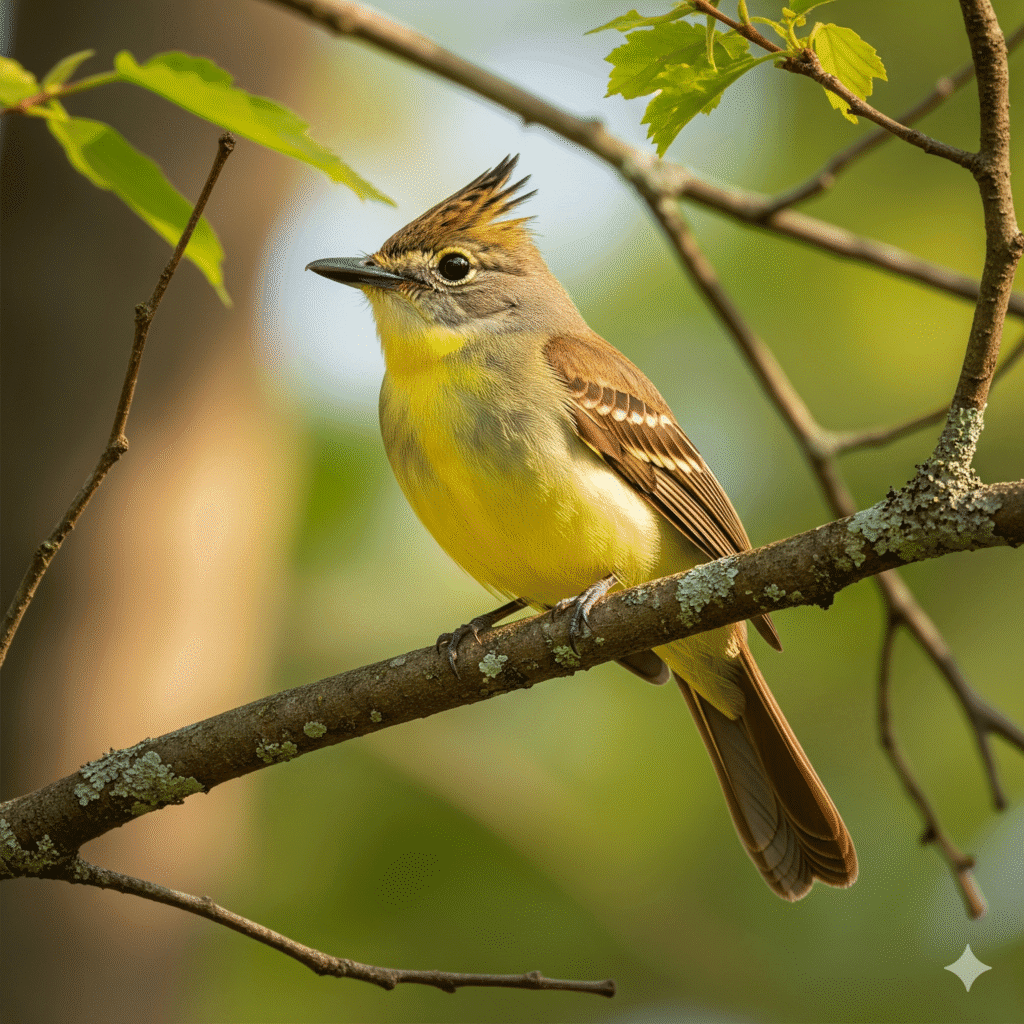
The significant features of the Great Crested Flycatcher
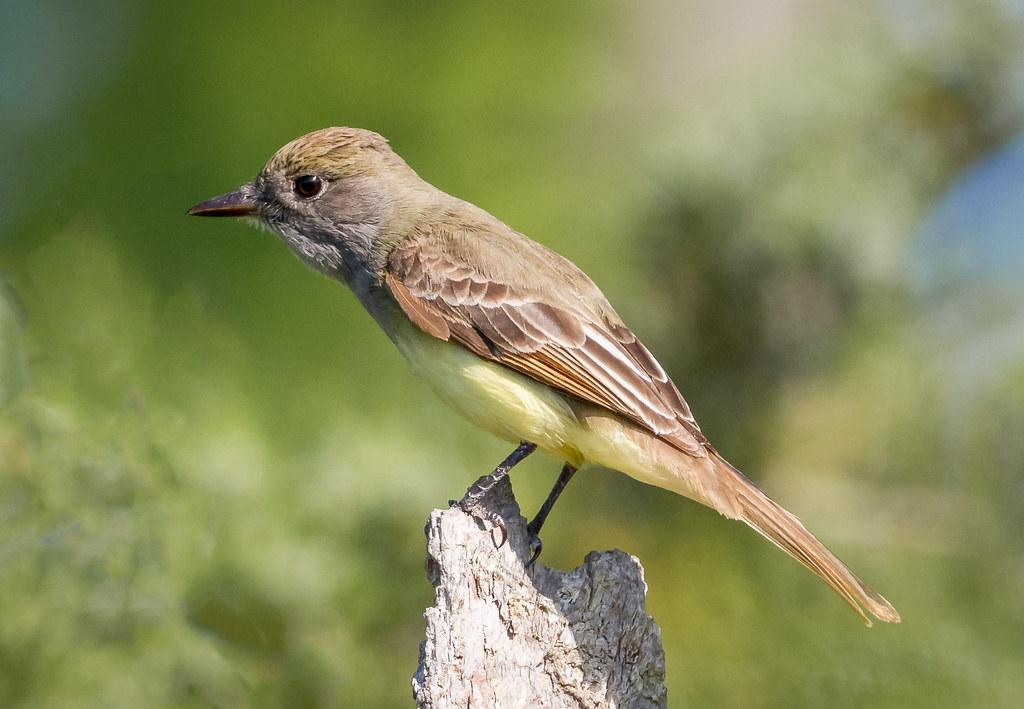
For the correct identification of the Great Crested flycatcher, one needs knowledge of its behavior and physical features. The wings measure about 12 inches, plus the bird is 7.5 inches long. The orange-red tail, which is most apparent when in flight, is its most remarkable characteristic. The bird’s name comes from its modest crest, yellow stomach, and brown head with an olive-brown top.
Another feature is that it has an eye ring, which is unconscious but appears on close observation. In comparison to other flycatchers, the Great Crested Flycatcher is simpler to identify since it frequently sits atop Spark Lark.
Specific calls and songs
The Great Crested Flycatcher has a good look – it also makes loud, sharp sounds. Its strongest tone resembles a string of “V-Ep” notes that are played repeatedly. This call serves as a way to communicate with a regional marker and peers or fledglings. Recognizing this specific sound can significantly improve your chances of identifying birds, even if it is partially hidden between the branches of the tree.
Residence and limit
The Great Crested Flycatcher mainly resides in the deciduous forests, wooded areas, and the banks of the forest. During the breeding season, they favor mature forests with enough trees to hunt nesting. They are native to eastern and central North America, but can sometimes be found during migration periods in parts of the southern United States.
Nesting preferences
A unique feature of this species is its nest hunting behavior. Great crested flycatchers often choose natural cavities or abandoned silver holes to build their nests. They are, however, not choosy and may also make use of a birdhouse or even weird places like fence posts or hanging planters. One of the most effective methods of attracting them into your backyard is to provide a safe and peaceful nesting area of hunting.
Diet and feeding habits
The Great Crested Flycatcher is mostly insectivorous, i.e., insects constitute a significant part of their diet. They are also active predators of beetles, caterpillars, grasshoppers, and other insects, and usually carry them in mid-closure. They may also, at times, eat fruits and berries, particularly when there is a migration where the pests are fewer.
Feeding Technology
These birds are also referred to as Hawking, as they emerge out of a leaf to trap the flying insects and go back to their starting point. It may be a pleasant sight to observe this behavior, because it shows the agility and precision of the bird in its prey.
Quick Guide to Identifying and Attracting the Great Crested Flycatcher
| Category | Details |
| Size & Appearance | Medium-sized (7.5 in length, 12 in wingspan); olive-brown back, gray head, yellow belly, rusty-orange tail |
| Distinctive Features | Subtle crest on head, faint eye ring, perches at treetop levels |
| Call & Song | Loud “whee-eep” notes, repeated in series |
| Habitat | Deciduous forests, wooded areas, and forest edges |
| Diet | Insects (beetles, grasshoppers, caterpillars); fruits and berries in fall |
| Feeding Style | Aerial insect hunting, known as “hawking” |
| Nesting Behavior | Cavity nester; uses natural cavities, abandoned woodpecker holes, or nest boxes |
| Best Ways to Attract | Install nest boxes, plant native trees/shrubs, provide clean water, use Oriole Feeders with fruits |
| Migration | Breeds in North America (spring/summer); winters in Central America |
Attracting the Great Crested Flycatcher in your backyard
Creating a welcoming environment for the Great Crested Flycatcher involves providing food, water, and a safe nest hunt site. Understanding their natural habits, you can repeat the conditions that encourage them to move to their garden regularly.
Bird Feeder
Although the Great Crested Flycatcher is primarily an insect eater, it can be attracted to your backyard by the introduction of fruits. Feeders with fruit in them, like those of originals, can be especially useful. Oriole feeders enable you to feed these birds with nectar, oranges, or other fruits in a manner that will not expose them to predators. The proximity of the feeders to trees or bushes enhances the risk of flycatchers.
Planting indigenous trees and bushes
Planting native trees and bushes not only beautifies your yard, but also offers the cover and perching places that the great crested flycatchers need. Oaks, maples, and dogwoods are also good substitutes since they are attractive to insects and offer them good nesting places. Dancing shrubs can protect from predators and create a more natural habitat for your upcoming birds.
Providing a water source
Another factor that is necessary to attract great crested flycatchers is the presence of a clean water source. They can obtain the hydropower from small birdbaths, shallow ponds, or drippers. Birds tend to frequent places that have water, particularly in hot summer seasons or dry seasons. Do not forget to keep the water fresh and clean to avoid the disease.
Installing nest boxes
The Great Crested Flycatchers are cavity-nesting birds, and therefore, the proper installation of the nest boxes can attract them to nest in your backyard. The select boxes should be open 2 inches or so and should be 6 to 15 feet above the ground with preference being near trees or bushes. The high human traffic should be avoided to make the birds feel safe in their nest.
Seasonal behavior and migration
The seasonal behavior of the Great Crested Flycatcher can be used to make an educated guess about whether they are in your field. They are migrant birds that spend winter in Central America and breed in spring and summer in North America.
Spring and Summer
During spring, men arrive to establish the first area, often singing from key leers to declare their appearance. By late spring, women come, and the nests begin to hunt. This is the best time to provide nest boxes and food sources to attract these birds.
Fall migration
In late summer and early fall, great crested flycatchers prepare for migration. Their diet makes more changes towards fruits and berries, making them especially during this period to form feeders and or oral feeders of effective fruits. Observing these birds during migration can provide a unique opportunity to see their adaptability in action.
Tips for Birds
It takes time and planning to attract and monitor the great crested flycatchers, but the experience can be beneficial. Here are some practical suggestions to take maximum advantage of their birdwatching efforts:
Use a telescope and a spotting scope
A telescope is necessary to see details such as crest, tail color, and eye ring. A spotting scope can be seen even more closely, especially if birds are placed at a high level in trees.
Learn their calls
Recognizing the specific calls of the Great Crested flycatcher can also alert you to their appearance by hiding you. Playing their call recording can also encourage them to examine their yard, but use this method with restraint to avoid stress.
Maintain a safe and calm environment
Minimize distractions close to places used for feeding and nesting. Avoid loud noises, keep pets away, and use trees and plants to provide deep cover. A peaceful environment increases the possibility that birds will stay long in your backyard.
Conservation and Awareness
The Great Crested Flycatcher is currently not listed as endangered, but housing loss and climate change have posed a threat to its population. Supporting efforts for protection, planting native trees, and making birds suited to all contribute to maintaining a healthy population of these beautiful birds.
Participate in a local bird count
Civil science initiatives, such as local bird census, help to track population trends and support protection research. By contributing to your comments, you can play a role in understanding and protecting the Great Crested Flycatcher.
Educate others
To promote wildlife love and knowledge, train your friends, your family, along the local community about great crescent flycatchers. By informing people about the value of habitat protection, local ecosystems may be impacted in the long run.
Conclusions
The great crested flycatcher is a beautiful bird that makes the effort of attracting it in their backyard worthwhile, and it brings love to a well-planned effort, patience, and nature. You can make these birds travel frequently by knowing about their physical nature, calls, housing choices, and diet. The oriole feeders, native garden, nest boxes, and water sources are tools that will help you make your backyard just as attractive and reachable to locators and other bird species.
The Great Crested Flycatcher can be observed during the action not only in preying on its aerial prey, but also in singing. With the tips discussed in this guide, you will be in a position to appreciate the beauty and the charm of this beautiful bird, besides protecting your natural habitat.
It will require some patience, planning, and a little ingenuity to make your backyard an excellent habitat for the Great Crested Flycatcher, and this will give you unlimited opportunities to have a relationship with birdwatching and nature.