Spark Lark is reader-supported. As an Amazon Associate we earn from qualifying purchases, at no extra cost to you. How we choose products.
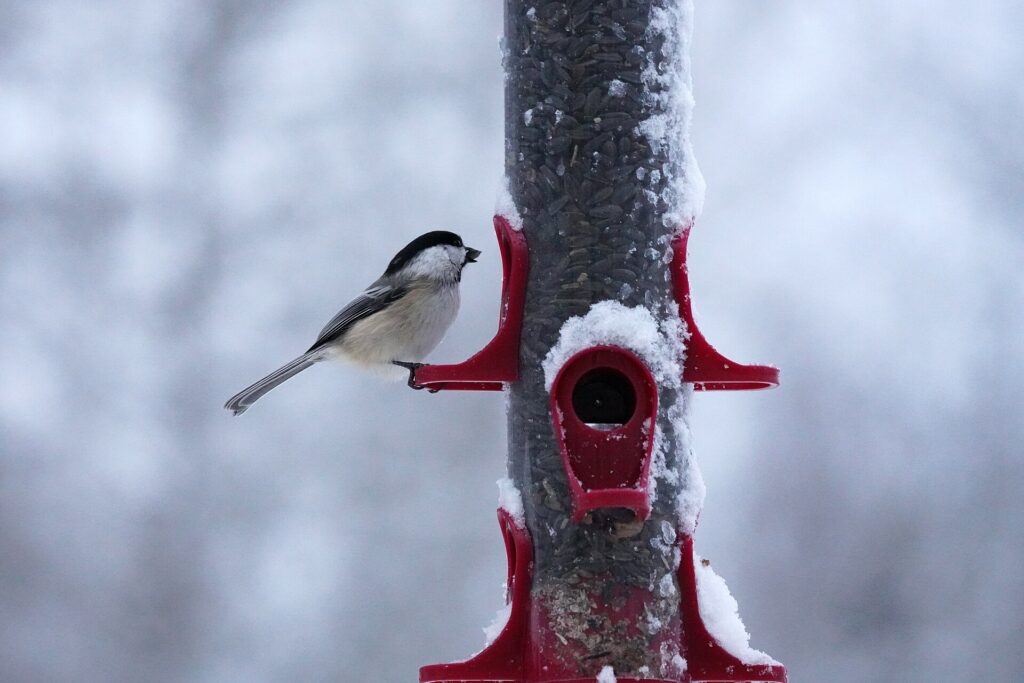
In winter, feed birds foods high in fat and energy: black oil sunflower seed, suet, unsalted peanuts, nyjer for finches, and white millet scattered on the ground for juncos and sparrows. Add fresh, unfrozen water. Those foods cover nearly every bird that comes to feeders in the U.S. from November to March. Skip bread, seed mixes padded with red millet or milo, and anything salted.
Here is what to put out, which birds each food brings in, and how to set up a winter feeding station that stays clean and safe.
Why winter food matters
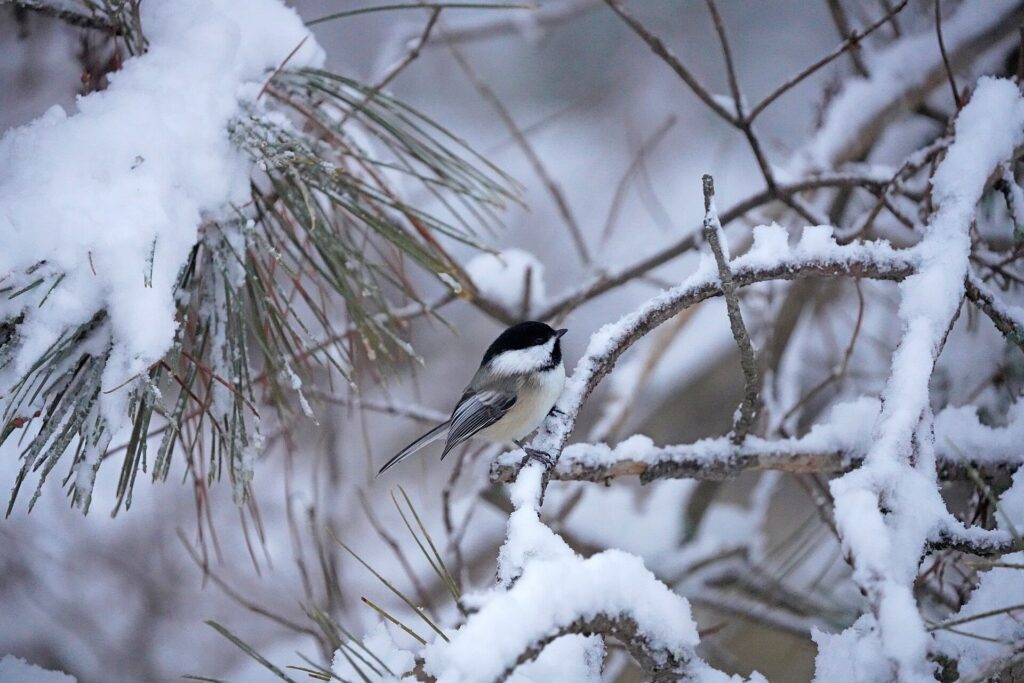
Small birds burn through their fat reserves every winter night just to stay warm, and they have to refuel during short, cold days when insects are gone and seed is buried under snow. That’s why high-fat, high-calorie food is what they need most.
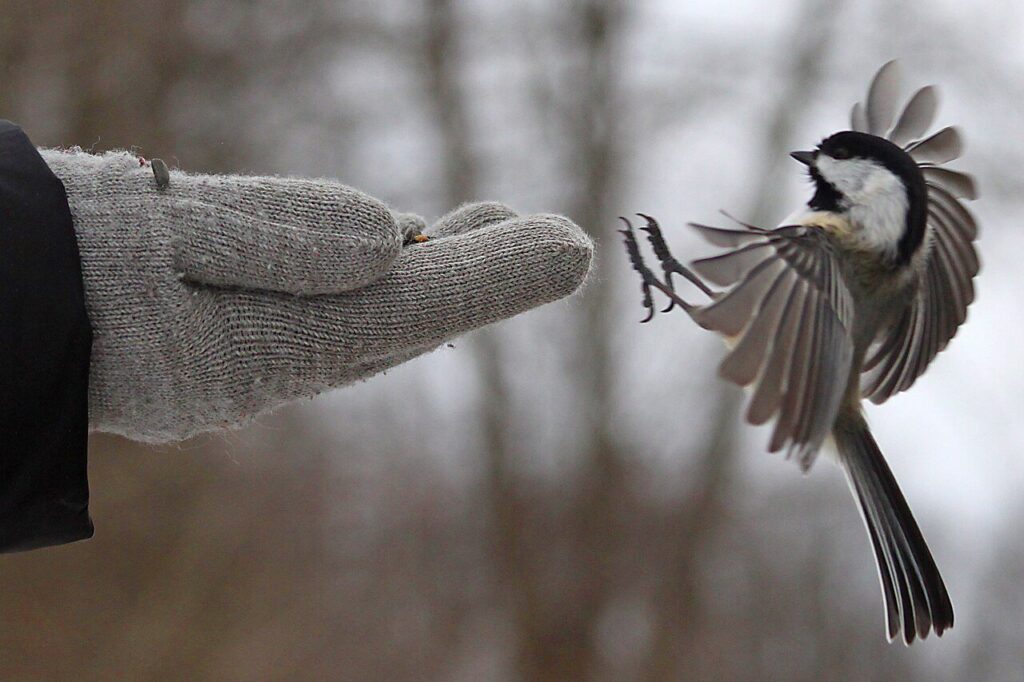
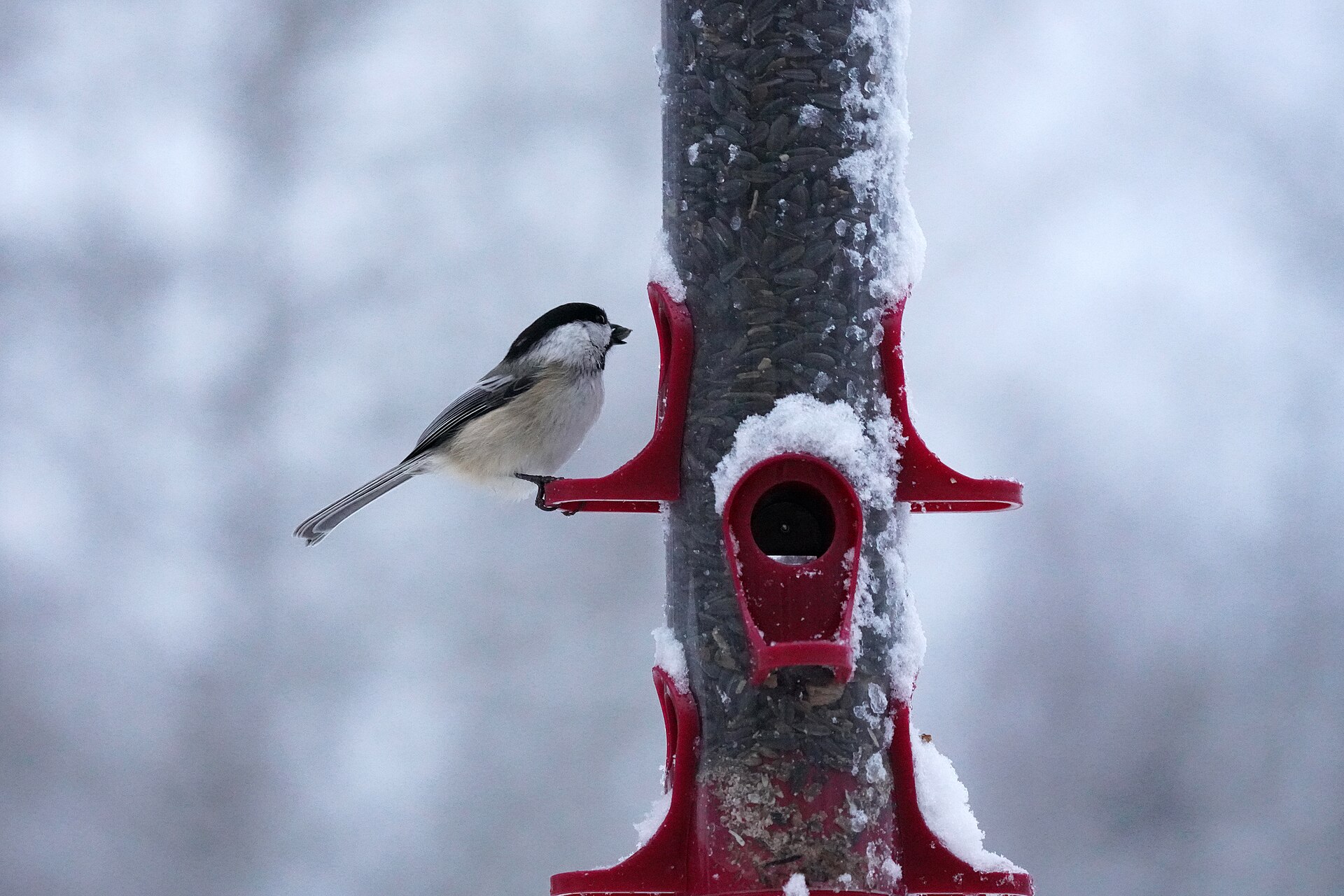
Feeders help most when the weather is at its worst. In a long-running University of Wisconsin study, Margaret Brittingham and Stanley Temple found that black-capped chickadees got only about 20 to 25 percent of their daily energy from feeders, and the rest from the wild. In ordinary winters, feeder birds and wild birds survived at about the same rate. In the harshest cold, chickadees with access to sunflower seed survived at roughly twice the rate of those without it. And when feeders were taken away, the birds that had used them did just as well as birds that never had. Feeding helps birds through the worst stretches without making them dependent.
The best winter bird foods at a glance
| Food | Birds it attracts | How to offer it |
|---|---|---|
| Black oil sunflower | Cardinals, chickadees, titmice, nuthatches, finches, woodpeckers, jays | Tube, hopper or tray feeder |
| Suet | Woodpeckers, nuthatches, chickadees, wrens, titmice | Suet cage or tail-prop suet feeder |
| Peanuts (unsalted) | Jays, woodpeckers, chickadees, titmice, nuthatches | Mesh peanut feeder or tray |
| Nyjer (thistle) | Goldfinches, pine siskins, redpolls | Nyjer tube or finch sock with tiny ports |
| White proso millet | Juncos, native sparrows, doves, towhees | Scattered on the ground or a low tray |
| Safflower | Cardinals, grosbeaks, chickadees | Hopper or tray; squirrels and grackles tend to leave it alone |
| Mealworms | Bluebirds, wrens, chickadees | Small dish or tray |
| Fruit | Robins, bluebirds, mockingbirds, waxwings | Tray, or berries left on native shrubs |
1. Black oil sunflower: the one food to buy first
If you put out only one thing this winter, make it black oil sunflower. Project FeederWatch calls it “the preferred food” of many feeder birds because it’s high in energy and the shells are thin enough for small birds to crack. It feeds more species than any other seed. A big bag is the cheapest way to buy it, such as Wagner’s Black Oil Sunflower, 25 lb.
Shells pile up under the feeder. If it hangs over a deck or patio, switch to hulled sunflower or a no-mess blend such as Kaytee No Mess, 5 lb. It costs more per pound, but birds eat all of it. Our bird seed guide compares the options.
2. Suet: winter is its season
Suet is pure fat, and it’s the food that brings woodpeckers, nuthatches and wrens to a yard that otherwise only sees seed eaters. Winter is the best time to offer it. Plain suet can go rancid and soft in summer heat, but in cold weather it keeps for weeks. Buy cakes that list rendered beef suet first, and skip the ones that are mostly cheap seed and filler. The Wildlife Sciences High Energy Suet Cake 10-pack leads with rendered beef suet and fits standard suet cages. For woodpeckers, a feeder with a tail prop works best; see our suet feeder guide.
3. Peanuts: unsalted only, and keep them dry
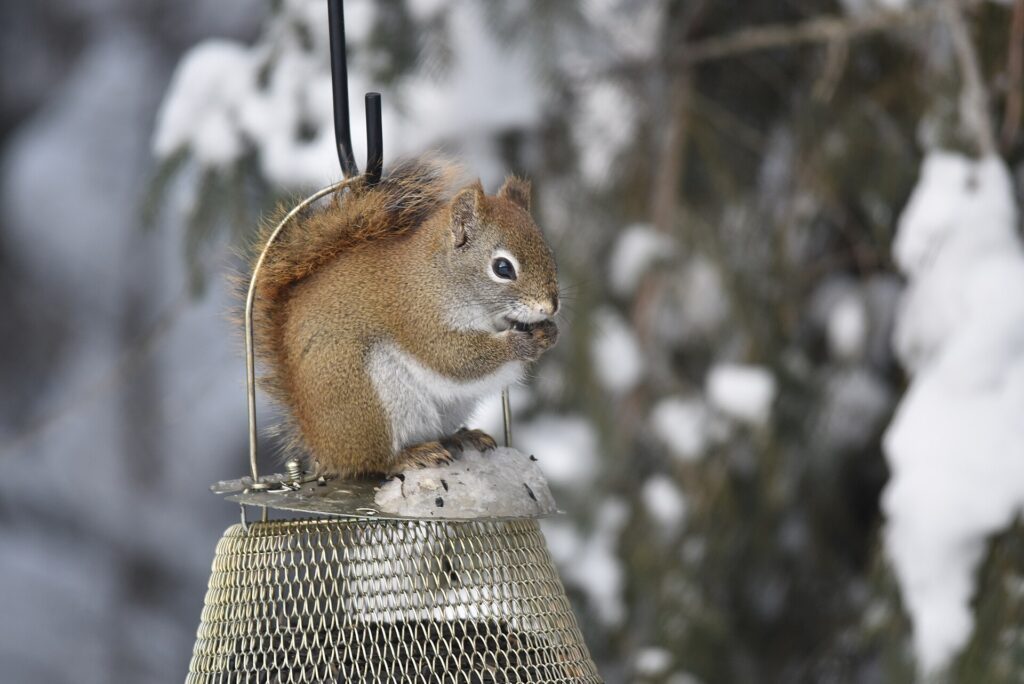
Jays, woodpeckers, titmice and chickadees love peanuts. Offer raw or dry-roasted peanuts with no salt or flavoring, in a mesh feeder so birds peck out small pieces. Keep them dry. The Cornell Lab warns that peanuts have a high chance of carrying aflatoxins, which are toxic, if they get damp. Throw out any that look moldy or smell musty. Peanuts also draw squirrels, so hang them where you don’t mind the traffic or pair them with a baffle.
4. Nyjer: for the finches
Goldfinches stay through winter across most of the U.S., and in some winters pine siskins and redpolls come south in big flocks. All three go for nyjer, a tiny black seed that needs a feeder with small ports. Offer it on its own rather than in a mix; Wagner’s Nyjer, 10 lb is a good-size bag. Nyjer loses its appeal when it dries out, so buy what you’ll use in a month or two and store it sealed. Finches are also the birds most prone to feeder-spread eye disease, so clean nyjer tubes every two weeks.
5. Millet on the ground for juncos and sparrows
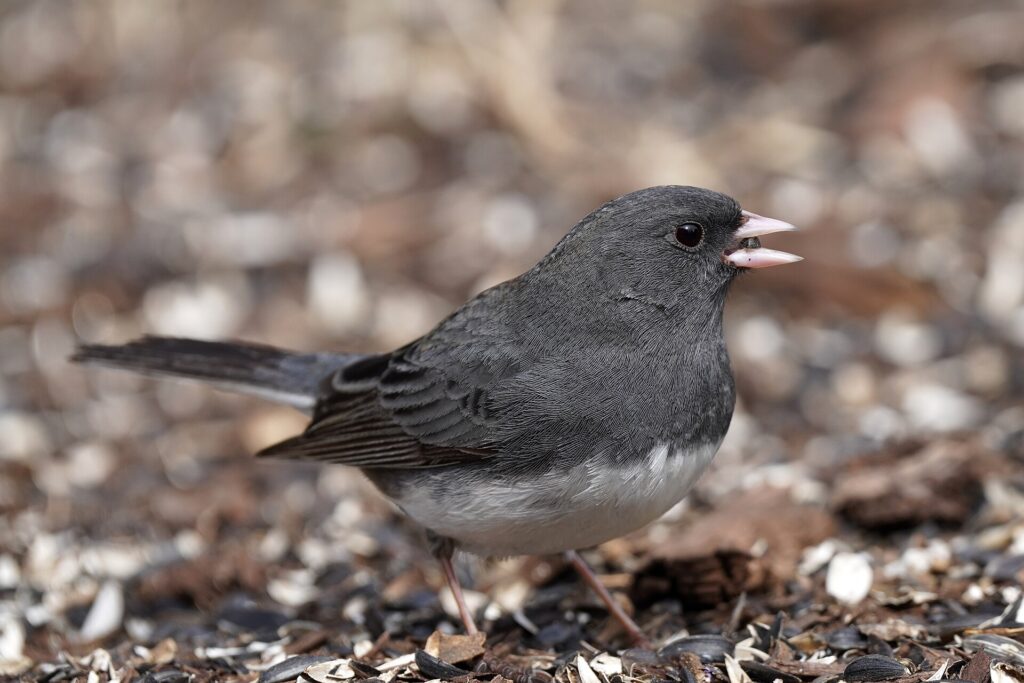
Dark-eyed juncos, which many people only see in winter, and native sparrows like white-throated and song sparrows prefer to feed on the ground. Scatter white proso millet on a low tray or on packed-down snow near shrubs. A small amount of cracked corn works too and feeds doves and quail. Keep it to what birds finish in a day, since the Cornell Lab notes cracked corn is the seed most likely to carry aflatoxins, and never use red-dyed corn.
If starlings and house sparrows flood your ground feeding, cut back on millet and corn for a few weeks. Our guide to keeping blackbirds and grackles off feeders has more fixes.
6. Safflower, if bullies are a problem
Cardinals, grosbeaks and chickadees eat safflower, while grackles, starlings and many squirrels tend to pass it up. Most birds prefer sunflower, so safflower works best in a second feeder or as a switch when bullies take over. Wagner’s Safflower, 5 lb is a good size to try it. Cardinals are winter’s most-watched feeder bird, and our cardinal feeder guide covers the feeders they use best.
7. Mealworms and fruit for birds that don’t eat seed
Eastern bluebirds, robins and mockingbirds stay through winter in much of the country but mostly ignore seed. Dried mealworms bring in bluebirds and wrens; soak them in warm water for a few minutes to make them easier to eat. Wagner’s Mealworms, 18 oz lasts a while. Our bluebird feeder guide shows feeders that keep other birds out. Chopped apples, raisins soaked in water, or thawed frozen berries on a tray feed robins and mockingbirds. Remove fruit that gets moldy.
8. Water: often the hardest thing to find in winter
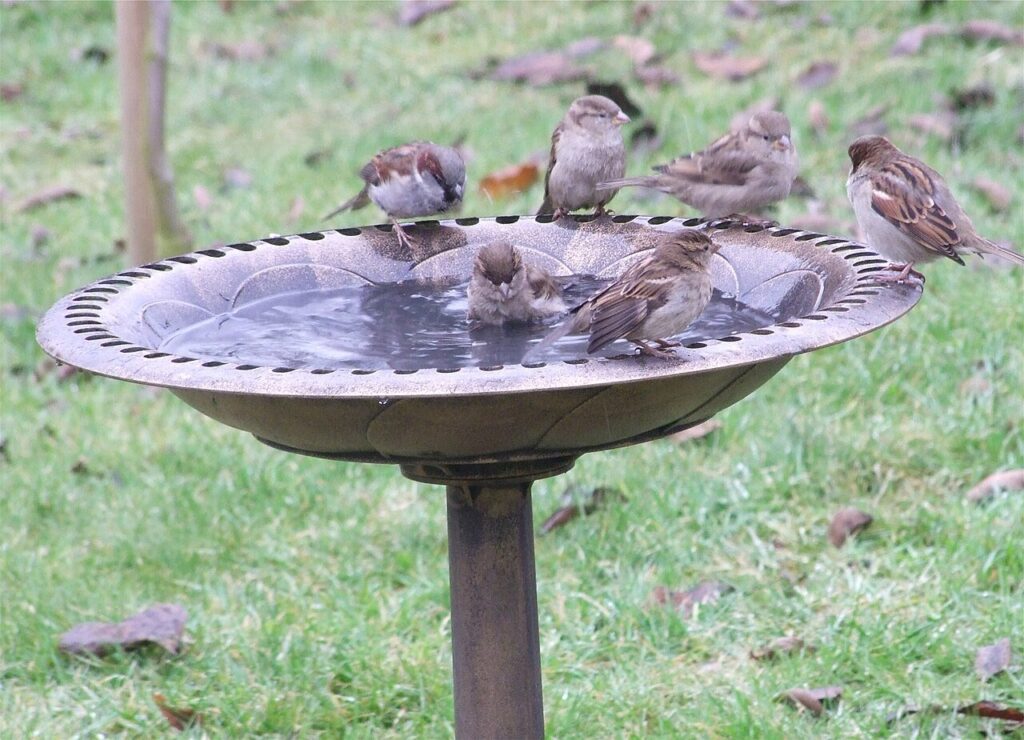
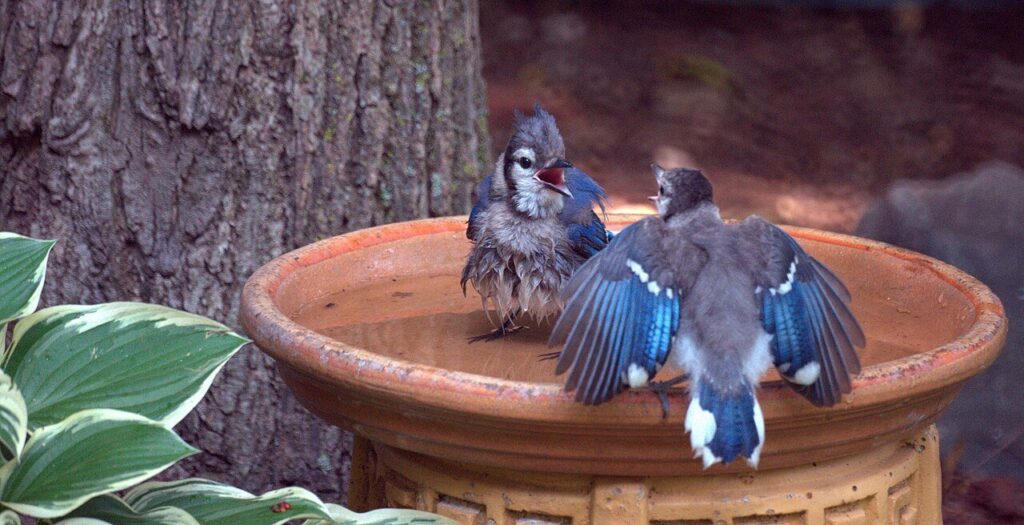
When everything freezes, open water can bring more birds than seed. Birds drink it, and they bathe even in winter to keep their feathers in shape for insulation. A heated bird bath or a de-icer in the bath you have keeps it open; our heated bird bath guide covers both. Never add antifreeze or salt to bird water.
What not to feed birds in winter
- Bread and crackers. They fill birds up with almost no fat or protein, and wet bread molds quickly.
- Cheap mixes with filler. Red millet, golden millet, flax and, in the East, milo mostly get kicked to the ground and rot. The Cornell Lab says “most birds shun them.” Read the ingredient list and buy mixes led by sunflower.
- Salted or flavored nuts and seeds. Use plain, raw or dry-roasted.
- Moldy or wet seed. If it’s clumped, musty or discolored, throw it out. Our seed storage guide shows how to keep it dry.
- Red-dyed corn or seed. The Cornell Lab warns the red dye can signal a fungicide treatment.
Setting up a winter feeding station
- Start by late fall. Birds settle into winter feeding routes in October and November. Feeders that are up and full by then get found faster.
- Put feeders near cover. Evergreens or dense shrubs within about 10 to 15 feet give birds a place to shelter from wind and hawks.
- Mind the windows. Audubon recommends placing feeders either within 3 feet of a window or more than 30 feet away, which cuts down on deadly collisions.
- Keep it full during storms. The day before and the morning after a snowstorm are when birds need feeders most. Clear snow off trays and feeder ports.
- Offer a variety. One tube of sunflower, one suet feeder and a ground tray with millet will bring in most winter feeder birds. See our winter backyard birds by region to know who to expect.
- Clean every two weeks. Winter crowds spread disease. Our feeder cleaning guide walks through it, and rake up hulls and droppings underneath.
- Follow local advisories. During outbreaks of salmonella or bird flu, some state wildlife agencies ask people to take feeders down for a few weeks. If yours does, follow it.
Should you stop feeding in spring?
You don’t have to. In the Wisconsin study, chickadees did fine after feeders came down in ordinary winters. But late winter and early spring, when stored seed is gone and insects haven’t emerged, are among the leanest times of year, so keep feeders up through March at least. Switch to no-melt suet or stop it once hot weather arrives, and plan to take feeders down if bears are active where you live.
If suet is part of your winter setup, our guide on when to put out suet covers when to start and when to stop.
Getting the feeders themselves ready matters as much as the seed: see how to prepare your bird feeders for winter.
Bottom line
Black oil sunflower in a tube feeder, suet for woodpeckers, millet on the ground for juncos and sparrows, and open water will bring in most of the birds wintering near you. Add nyjer for finches and peanuts for jays if you want more. Keep everything dry and clean, and keep the feeders full through the coldest days.