A bird charcuterie board is a platform feeder with a menu: a shallow tray laid out with five or six foods in separate piles, so that in one place you feed the seed-eaters, the fruit-eaters, the insect-eaters, and the nut-crackers that never share a tube feeder. It’s the fastest way to see how many different birds are actually in your neighborhood, it makes a better photo than any feeder you own, and it takes ten minutes to set up. Here’s what goes on the board, what stays off it, and how to keep it from becoming a raccoon buffet.
Spark Lark is reader-supported. As an Amazon Associate we earn from qualifying purchases made through links on this page, at no extra cost to you.
The board
Any flat, drained surface works: a cedar hanging tray feeder, a recycled-plastic platform feeder with a roof for wet climates, or a plant saucer with holes drilled in it set on a stump. Hang or mount it at least five feet up and away from anything a squirrel can jump from; the rules in our squirrel guide apply double to a tray full of peanuts. A tray on the ground gets the same birds plus every raccoon, opossum, and rat in the county.
What goes on it
Six piles, kept separate so each bird can go straight to what it wants. Small amounts of each; a board is refilled every day or two, not stocked for the week.
Black-oil sunflower
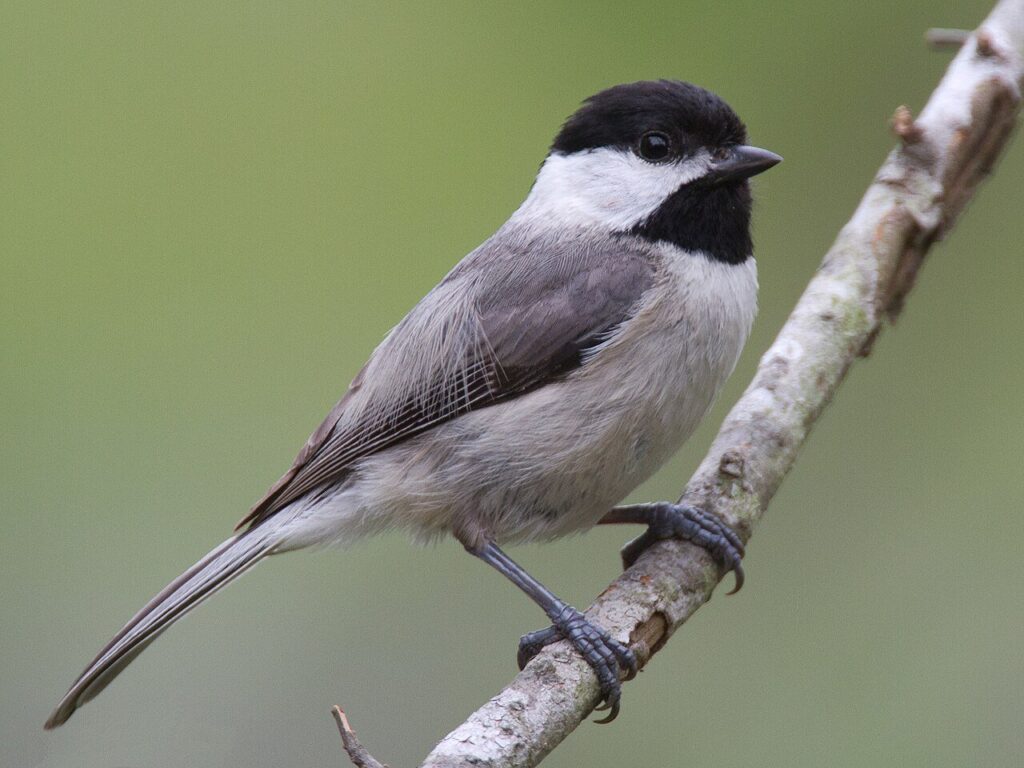
The base layer that draws the crowd: cardinals, chickadees, titmice, nuthatches, finches, grosbeaks. A handful, not a heap.
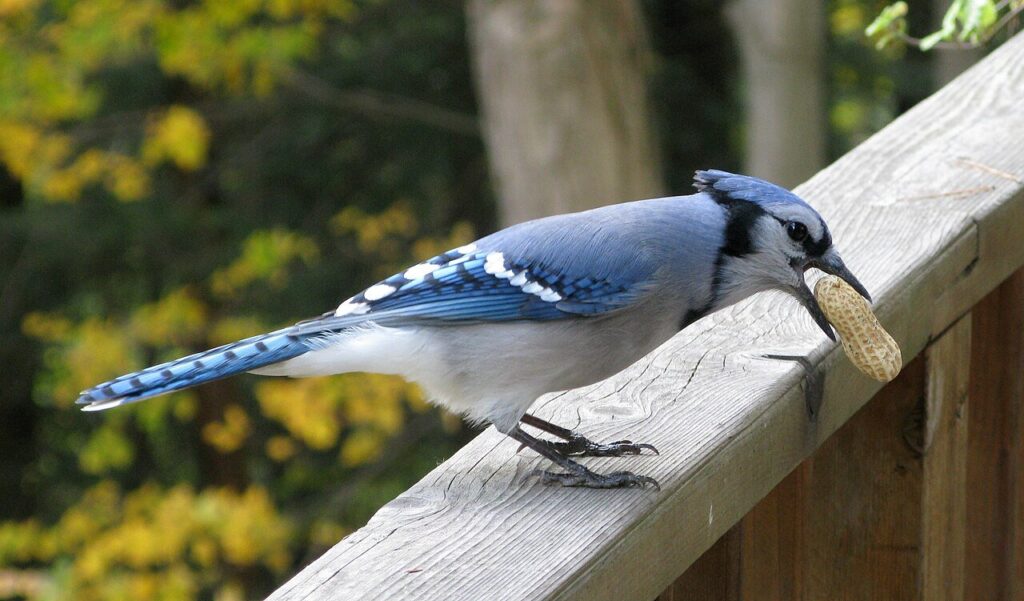
Peanuts in the shell
For blue jays, titmice, woodpeckers, and nuthatches. Jays will carry off every peanut in twenty minutes and cache them around the yard, which is entertaining and also the reason you put out six, not sixty. Unsalted only, and never anything roasted with flavoring.
Dried mealworms
The pile that brings birds that never touch seed: bluebirds, wrens, robins, catbirds, warblers in migration, and in spring the parents of every nest in the neighborhood. A two-pound bag lasts months. Soak a pinch in water for ten minutes in hot weather so nestlings get moisture with the protein.
Fruit
Orange halves, apple slices, grape halves, or a few blueberries. Orioles, catbirds, mockingbirds, robins, tanagers, and waxwings. Fruit is the pile that spoils fastest; remove what’s left each evening in summer.
Suet nuggets or a broken-up suet cake
Woodpeckers, nuthatches, chickadees, wrens, and in winter almost everyone. Skip it in summer heat south of about zone 7, where it melts and coats feathers; use the no-melt cakes or leave it off the board until fall.
Nyjer or white millet
Nyjer in a small pile for goldfinches and siskins; white millet for juncos, sparrows, doves, towhees, and painted buntings. Either one keeps the ground-feeders on the board instead of under it.
What stays off
Bread, crackers, chips, cereal, and anything from your own plate: no nutrition, and they mold. Salted or flavored nuts. Raw rice is fine (the wedding myth is false) but pointless. Honey, which grows mold birds can’t handle. Milk or cheese. Cooked meat, which draws rats. Avocado, which is toxic to birds. If it wouldn’t be sold in the bird-food aisle, it doesn’t go on the board.
Building it for the birds you want
For a cardinal board: sunflower and safflower, a few peanuts, no mealworms needed. For a bluebird board: mealworms front and center, a little suet, no seed at all (seed draws sparrows that compete for the nest boxes). For a migration board in April or September: mealworms, fruit, and suet nuggets, and put it near water; warblers and thrushes moving through will stop for insects and fruit but ignore seed. For a winter board: everything, with double the suet and sunflower; see who to expect by region.
Keeping it clean
An open tray is the easiest feeder to foul. Dump leftovers every evening in summer and every two days in winter, hose it, and scrub with a 10 percent bleach solution once a week, rinsed well. A board that stays clean brings the same birds back daily; one with wet, moldy sunflower at the bottom spreads disease and empties the yard. If house sparrows or grackles take it over, pull the millet and switch the sunflower to safflower for two weeks (details in our grackle guide).
Photographing it
The board is the best photo setup in the yard because you control the background and the perch. Set it four to eight feet from a window with something plain behind it (a fence, a hedge, open sky), put a natural branch across one end so birds land there before stepping onto the tray, shoot in the first two hours after sunrise when the light is low and the birds are hungriest, and stay still inside with the lights off. A phone against the glass works; a window feeder works even better for close-ups.
Bottom line
A tray, six small piles, refilled daily, hung where squirrels can’t reach. The board is inexpensive and the food costs a few dollars a week, and it will show you more species in a month than a tube feeder does in a year.
Related: Essential rules for attracting birds · The ultimate bird bath guide · Keeping squirrels off feeders